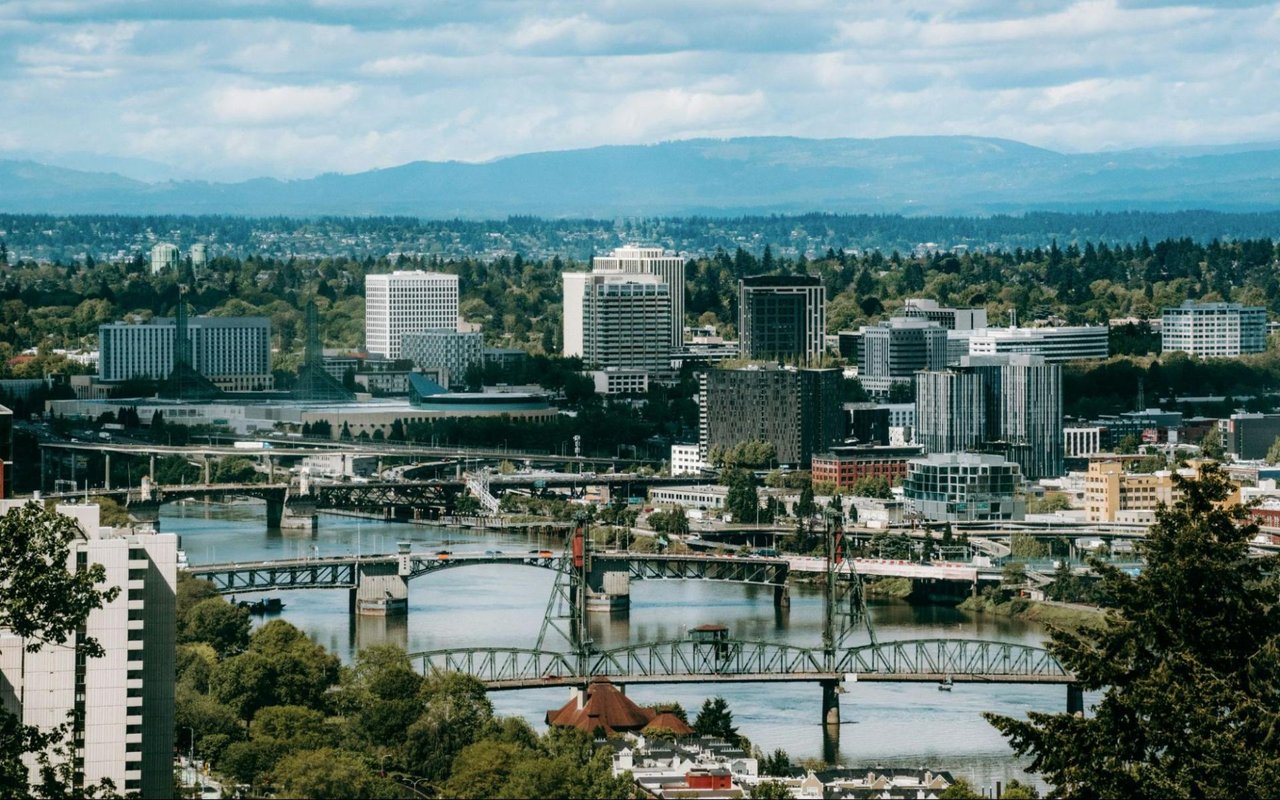
Portland is a city with a story. From its riverside beginnings to its rise as a Pacific Northwest hub, the history of Portland, Oregon, is woven into the homes, streets, and landmarks locals enjoy every day. Whether you're exploring the city for the first time or thinking about planting roots here, understanding its past offers valuable insight into what makes Portland such a great place to live.
Origins at the Confluence
Portland’s story begins in the 1840s, when pioneers arriving via the Oregon Trail saw potential at the meeting point of the Willamette and Columbia Rivers. This location proved to be a strategic site for commerce, attracting early settlers eager to establish a town with strong transportation links and access to the growing western economy.
In 1845, the name "Portland" was chosen in a now-famous coin toss between two early landowners—Asa Lovejoy of Boston and Francis Pettygrove of Portland, Maine. Pettygrove won, and the city’s identity was born. The site quickly developed as a shipping and timber hub, with logs floating downriver and goods being transported to and from nearby communities.
In 1845, the name "Portland" was chosen in a now-famous coin toss between two early landowners—Asa Lovejoy of Boston and Francis Pettygrove of Portland, Maine. Pettygrove won, and the city’s identity was born. The site quickly developed as a shipping and timber hub, with logs floating downriver and goods being transported to and from nearby communities.
From Stumptown to Rose City
Portland’s rapid growth in the 19th century earned it the nickname “Stumptown,” a reference to the tree stumps left behind during the city's hurried development. Timber and shipping remained major economic drivers for decades, fueling the construction of new homes, businesses, and civic buildings.
By the early 1900s, Portland had adopted the nickname "The City of Roses," inspired by the region’s favorable climate for growing flowers. In 1905, the Lewis and Clark Centennial Exposition helped put Portland on the national map, attracting visitors and new investment. This period saw the development of many now-iconic neighborhoods, including Irvington, Laurelhurst, and Sellwood, where early 20th-century homes still stand today.
By the early 1900s, Portland had adopted the nickname "The City of Roses," inspired by the region’s favorable climate for growing flowers. In 1905, the Lewis and Clark Centennial Exposition helped put Portland on the national map, attracting visitors and new investment. This period saw the development of many now-iconic neighborhoods, including Irvington, Laurelhurst, and Sellwood, where early 20th-century homes still stand today.
Historic Homes and Architectural Variety
One of the most tangible ways to experience the history of Portland, Oregon is through its architecture. The city’s homes reflect more than a century of shifting design trends and neighborhood planning. Walking through Portland's older areas, you'll see a rich mix of architectural styles—from Victorian and Craftsman to Colonial Revival and Mid-Century Modern.
Neighborhoods like Ladd’s Addition and Northwest Portland feature some of the city’s most well-preserved historic properties. Classic Portland Foursquares, detailed Queen Annes, and spacious bungalows are all part of the fabric of these neighborhoods. For homebuyers, the charm and craftsmanship of these older properties can be a major draw, offering unique details that are rarely replicated in new construction.
Neighborhoods like Ladd’s Addition and Northwest Portland feature some of the city’s most well-preserved historic properties. Classic Portland Foursquares, detailed Queen Annes, and spacious bungalows are all part of the fabric of these neighborhoods. For homebuyers, the charm and craftsmanship of these older properties can be a major draw, offering unique details that are rarely replicated in new construction.
The Growth of Portland’s Neighborhoods
Portland’s grid system and commitment to urban planning have allowed the city to grow while maintaining distinct neighborhood identities. Areas like Alameda, Beaumont-Wilshire, and Eastmoreland were developed in the early 20th century as Portland expanded eastward. Many of the homes here are beautifully maintained and offer sweeping views of the city or Mount Hood.
Downtown Portland and the surrounding neighborhoods also reflect the city’s layered history. Union Station (completed in 1896), the Pittock Mansion (built in 1914), and the South Park Blocks—home to cultural institutions like the Portland Art Museum—all offer a window into the city’s early civic ambitions and pride in public spaces.
Downtown Portland and the surrounding neighborhoods also reflect the city’s layered history. Union Station (completed in 1896), the Pittock Mansion (built in 1914), and the South Park Blocks—home to cultural institutions like the Portland Art Museum—all offer a window into the city’s early civic ambitions and pride in public spaces.
Iconic Landmarks and Local Legacy
Portland is home to numerous historic landmarks that continue to serve the community and attract visitors. The Portland Oregon Sign, the Benson Hotel, and the Heathman Hotel are just a few examples of early 20th-century architecture still in use today. The Oregon Historical Society, located downtown, also offers exhibits that chronicle the state’s (and the city’s) development over the past 180 years.
Another standout is the Pittock Mansion, a stunning hilltop estate that was once home to Portland publisher Henry Pittock. Now a public museum, the mansion offers panoramic views of the city and tells the story of Portland’s early elite and their role in shaping the region.
Another standout is the Pittock Mansion, a stunning hilltop estate that was once home to Portland publisher Henry Pittock. Now a public museum, the mansion offers panoramic views of the city and tells the story of Portland’s early elite and their role in shaping the region.
Modern Growth with Historic Character
In recent decades, Portland has experienced a new wave of development, particularly in areas like the Pearl District, South Waterfront, and Division Street. Yet the city has made efforts to blend new construction with preservation, maintaining the architectural integrity of historic buildings while embracing smart urban design.
The Pearl District, for example, was once a warehouse and industrial zone. Today, many of its brick buildings have been converted into lofts, galleries, and restaurants, preserving the area's history while adding new life. Similarly, inner Southeast Portland has retained its bungalow-lined streets even as cafes, bike shops, and co-working spaces have moved in.
The Pearl District, for example, was once a warehouse and industrial zone. Today, many of its brick buildings have been converted into lofts, galleries, and restaurants, preserving the area's history while adding new life. Similarly, inner Southeast Portland has retained its bungalow-lined streets even as cafes, bike shops, and co-working spaces have moved in.
What History Means for Homebuyers
For prospective homebuyers, learning about the history of Portland, Oregon, can directly impact real estate decisions. Older homes may offer charm and durability, but they might also come with unique maintenance needs or renovation restrictions, especially if they're part of a designated historic district.
That said, homes with historic character are often in high demand and located in some of Portland’s most desirable neighborhoods. Understanding a home's place in the city’s broader timeline can help buyers see not just what a property is, but what it has the potential to be.
That said, homes with historic character are often in high demand and located in some of Portland’s most desirable neighborhoods. Understanding a home's place in the city’s broader timeline can help buyers see not just what a property is, but what it has the potential to be.
Looking for a Home That’s Part of Portland’s Story?
Whether you're drawn to the detailed woodwork of a 1920s Craftsman or the streamlined simplicity of a Mid-Century Modern ranch, the history of Portland, Oregon, is reflected in every corner of the city. Its neighborhoods aren't just residential—they're living, evolving chapters of a broader story.
If you're interested in buying a home that blends Portland’s historic charm with modern livability. David Merrick is here to help. With deep local knowledge and a passion for Portland’s past and present, David can guide you to properties that match your lifestyle, budget, and appreciation for character. Contact him today to start your journey into one of Portland’s most historic—and livable—neighborhoods.
If you're interested in buying a home that blends Portland’s historic charm with modern livability. David Merrick is here to help. With deep local knowledge and a passion for Portland’s past and present, David can guide you to properties that match your lifestyle, budget, and appreciation for character. Contact him today to start your journey into one of Portland’s most historic—and livable—neighborhoods.