Based on information submitted to the MLS GRID as of . All data is obtained from various sources and may not have been verified by the broker or MLS GRID. Supplied Open House Information is subject to change without notice. All information should be independently reviewed and verified for accuracy. Properties may or may not be listed by the office/agent presenting the information.
12,576 people live in Ridgefield, where the median age is 34.9 and the average individual income is $53,996. Data provided by the U.S. Census Bureau.
Total Population
Median Age
Population Density Population Density This is the number of people per square mile in a neighborhood.
Average individual Income
Ridgefield has quietly become one of the most talked-about communities in the Pacific Northwest, and for good reason. What was once a small village tucked between the Columbia River and rolling farmland has matured into a destination that draws families, remote professionals, and luxury buyers alike. This guide is built to give you a grounded, honest look at what it's actually like to buy, sell, and live here in 2026.
Ridgefield sits in northern Clark County, just off I-5, and it occupies a peculiar sweet spot: close enough to Portland for a manageable commute, far enough north to feel genuinely small-town. The community has grown past 16,000 residents, but it still operates like a place where the Saturday Farmers Market is the social anchor of the week and the high school football team gets the kind of turnout that surprises newcomers.
The town tends to attract three types of buyers. First, families chasing the school district — Ridgefield consistently ranks among the strongest in Clark County and the broader Portland metro region. Second, Oregon transplants who've done the math on Washington's lack of state income tax and decided the extra fifteen minutes on I-5 is worth it. Third, lifestyle buyers who want acreage, trail access, or proximity to the Ridgefield National Wildlife Refuge without sacrificing modern amenities. The result is a community that feels both rooted and rapidly evolving.
As of May 2026, the Ridgefield market is best described as balanced-competitive. The frenzy of the early 2020s has cooled into something more orderly, but high-quality listings still move quickly and command strong prices.
Homes are going pending in roughly 25 to 45 days, with the exact pace depending heavily on neighborhood and price point. The median sale price sits between $666,000 and $695,000, and the sale-to-list ratio is hovering near 99% — meaning sellers are still getting close to what they ask for. Roughly 11 to 16% of homes sell above list price, almost always in top-tier school zones or with custom finishes that stand out from the new-construction crowd.
Entry-level townhomes and smaller detached homes start in the mid-$400,000s, while custom estates and new builds on acreage routinely cross the $1.2M mark. The most active and competitive segment right now is the $500k–$650k range, where starter-luxury buyers and growing families overlap.
The story of Ridgefield real estate over the past five years has been a shift from rapid appreciation to sustainable growth. Year-over-year price growth has settled into a healthy 2.5% to 6.8% range, depending on the segment. Older inventory that hasn't been updated has, in some cases, plateaued at 0% to -1%, simply because buyers are gravitating toward modern floor plans.
New construction continues to dominate inventory, and that's reshaping how the market behaves. Builders in 2026 are leaning heavily on incentives — mortgage rate buy-downs, closing cost credits, design center allowances — which has created a kind of "side door" to affordability that didn't exist a few years ago. For buyers paying attention, these incentives can be worth $20,000 to $40,000 in real value.
Inventory has improved to roughly a three-month supply. That's still technically a seller's market (a balanced market runs four to six months), but it's a far cry from the two-week supply that defined 2021 and 2022. The other major trend shaping demand is the continued migration of hybrid and remote workers from the Portland side of the river. Washington's lack of state income tax, combined with a 25 to 40 minute commute, keeps demand for four-bedroom homes with dedicated office space remarkably consistent.
Buying in Ridgefield in 2026 is less about speed and more about strategy. You're typically competing with two to four other buyers on well-priced homes between $500k and $700k, but the bidding wars of the pandemic era are largely gone. Above $850k, the pace slows considerably, and traditional negotiation is back on the table.
Contingencies have returned in a meaningful way. It's rare — and generally unwise — to waive an inspection. The compromise that's emerged is what locals call a "pass/fail" inspection: the buyer agrees not to nickel-and-dime the seller over cosmetic issues but retains the right to walk if something structural turns up. It's a fair middle ground that keeps offers competitive without sacrificing protection.
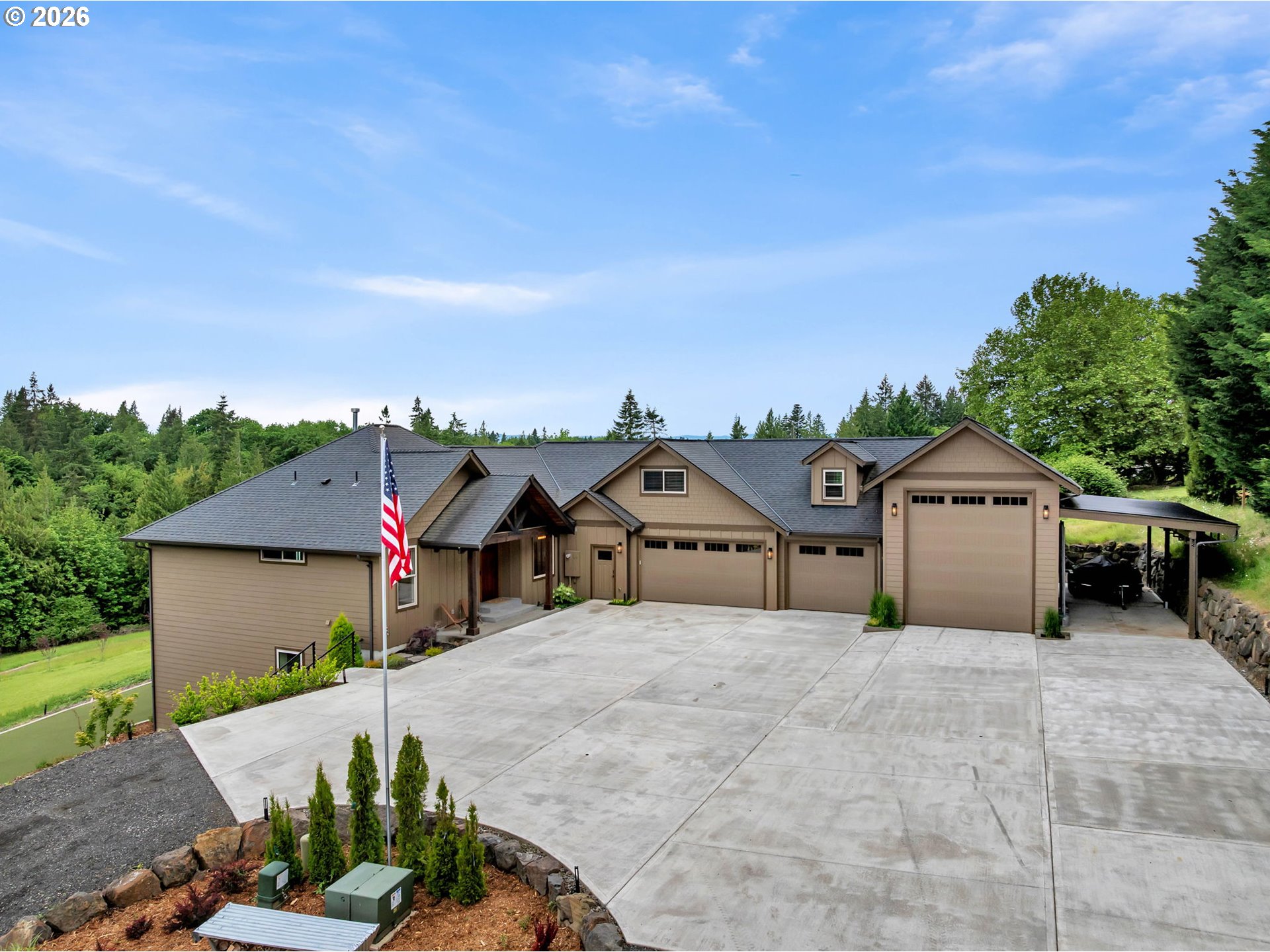
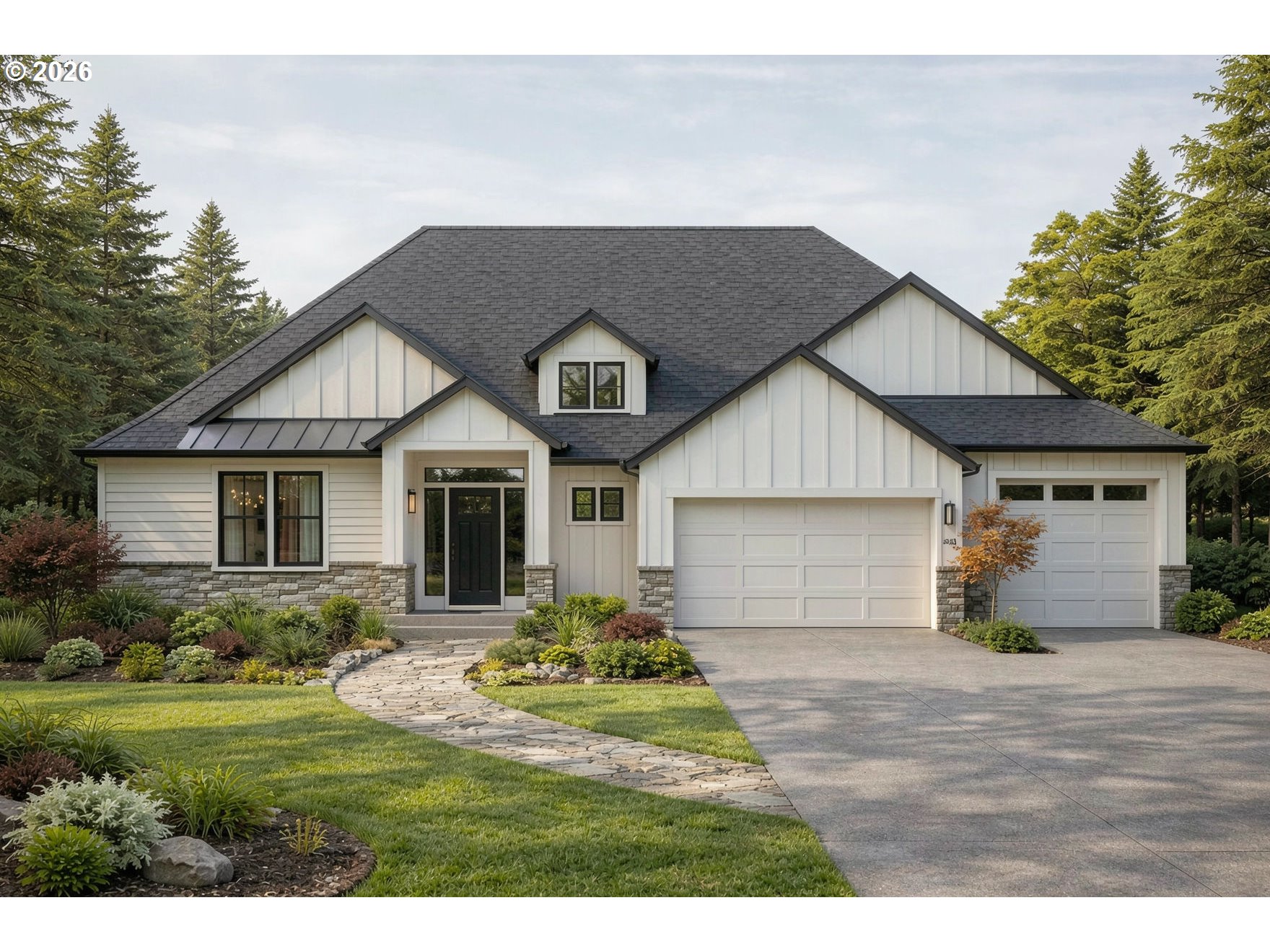
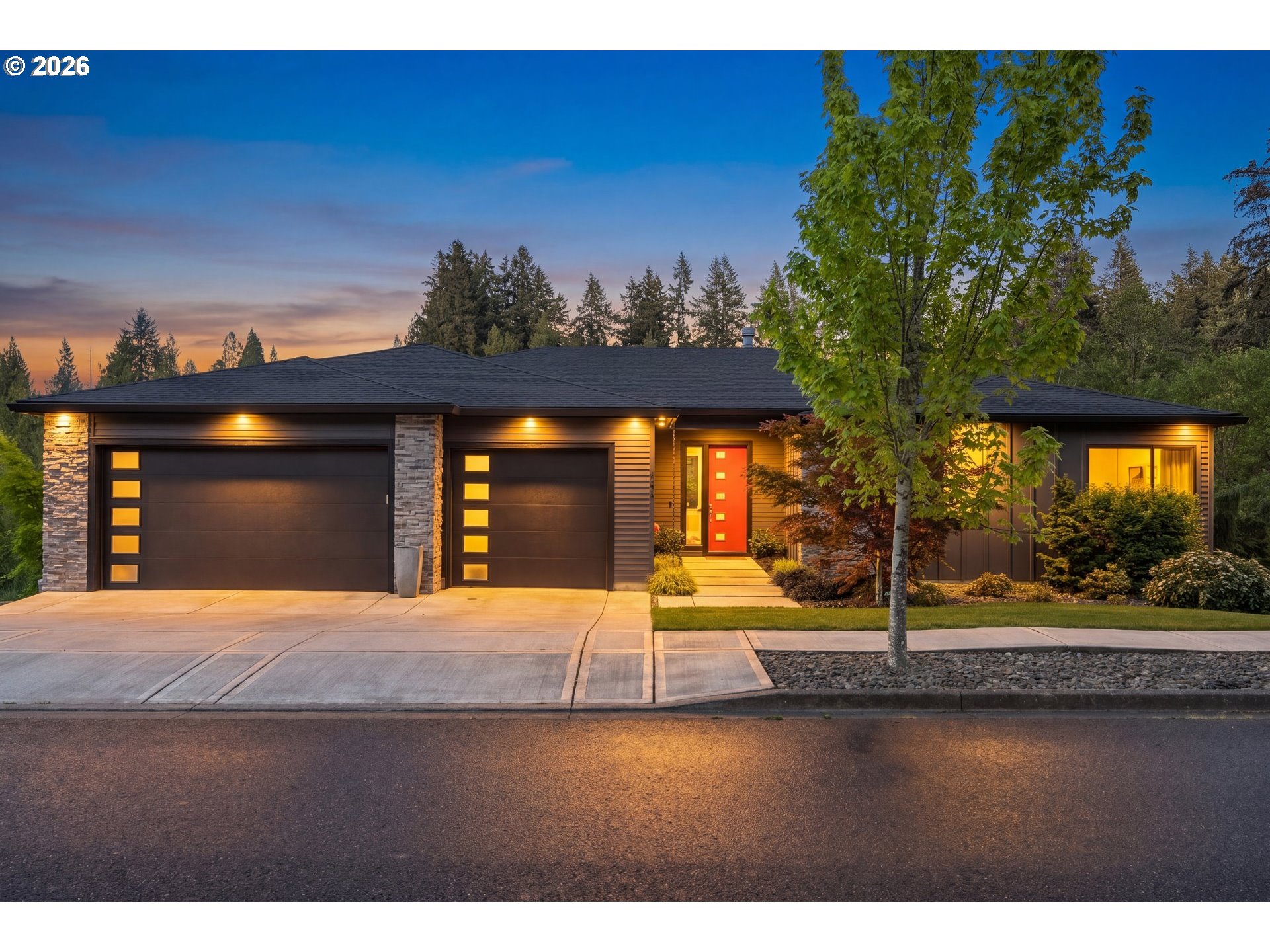
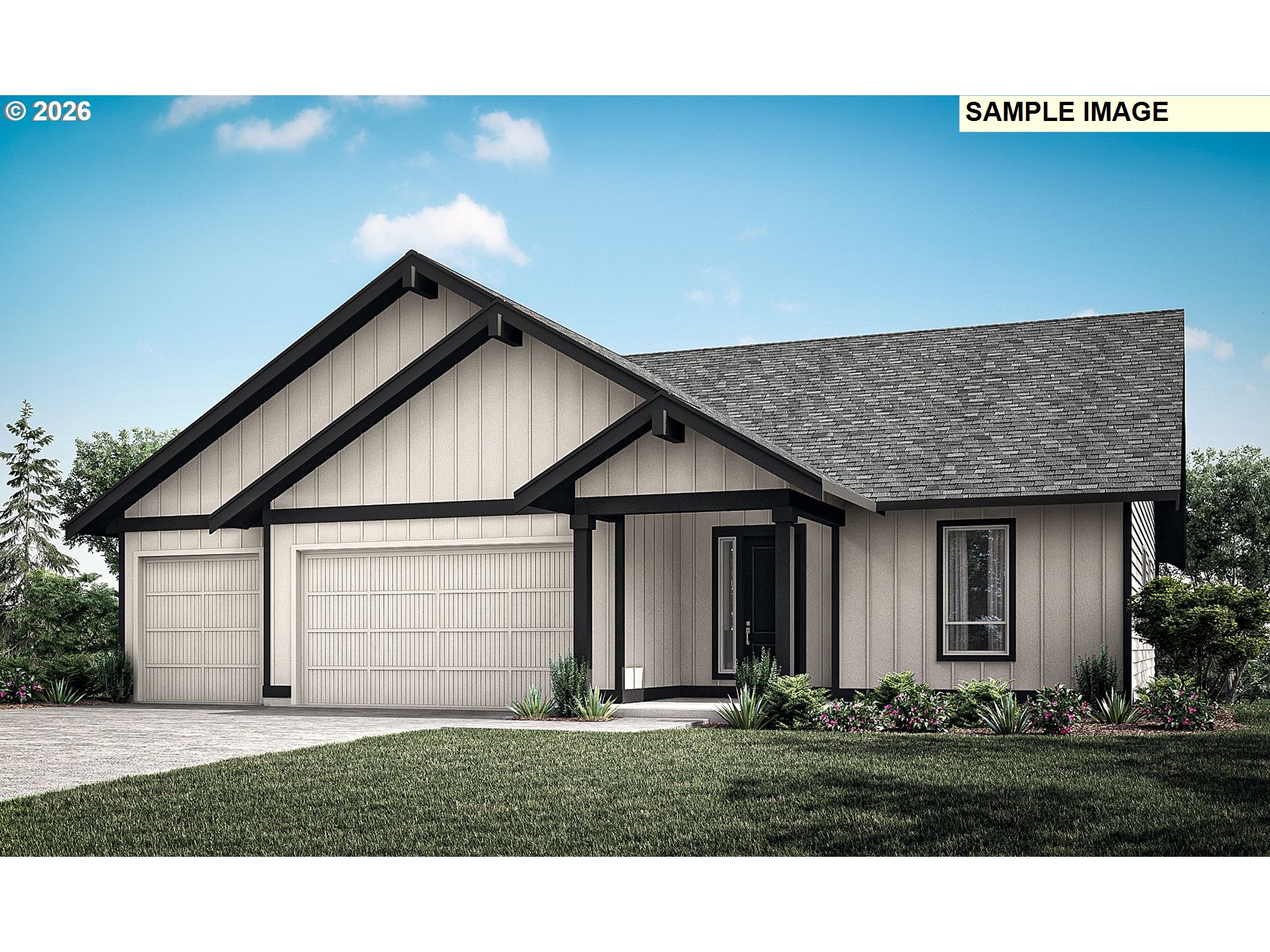
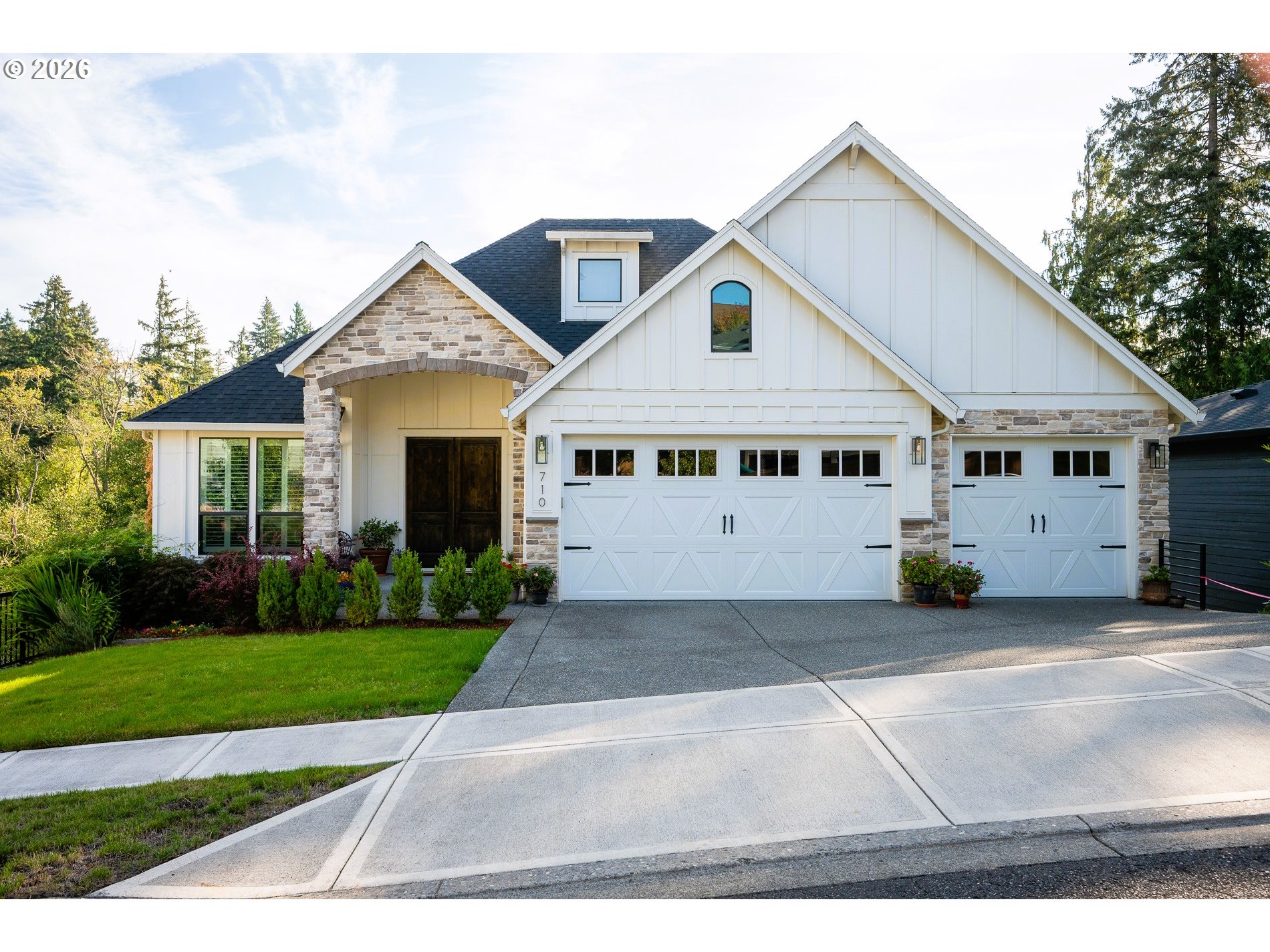
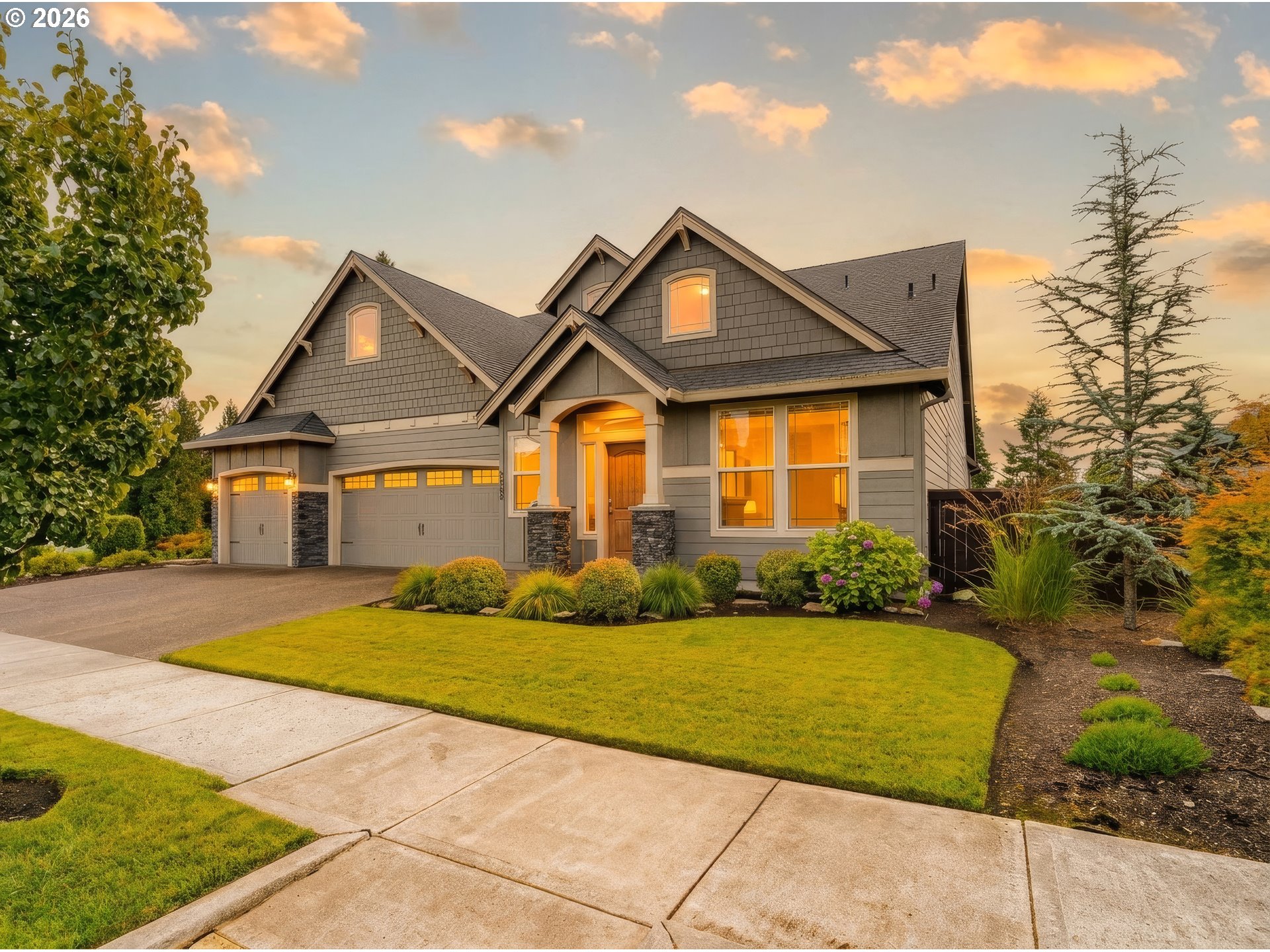
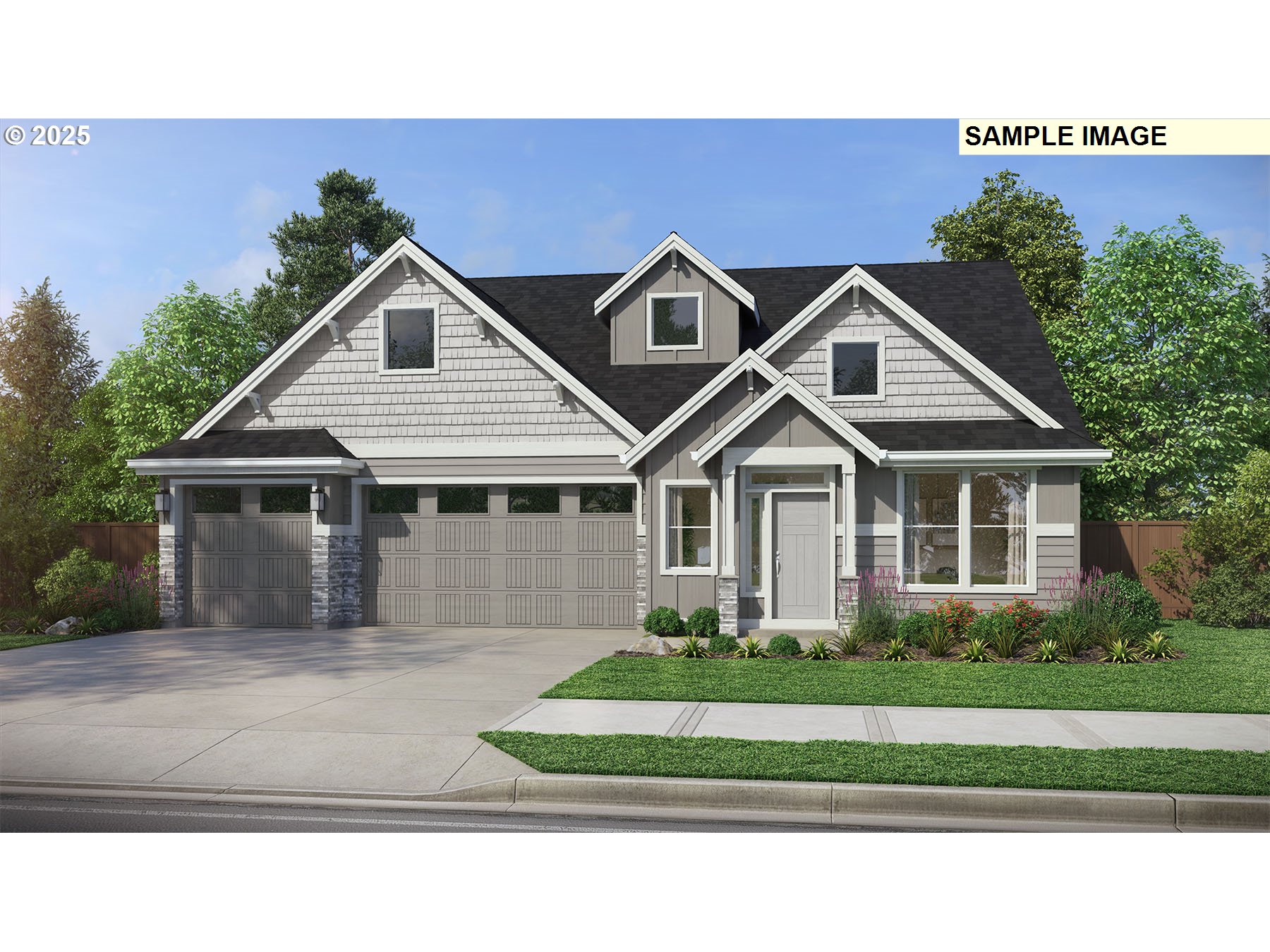
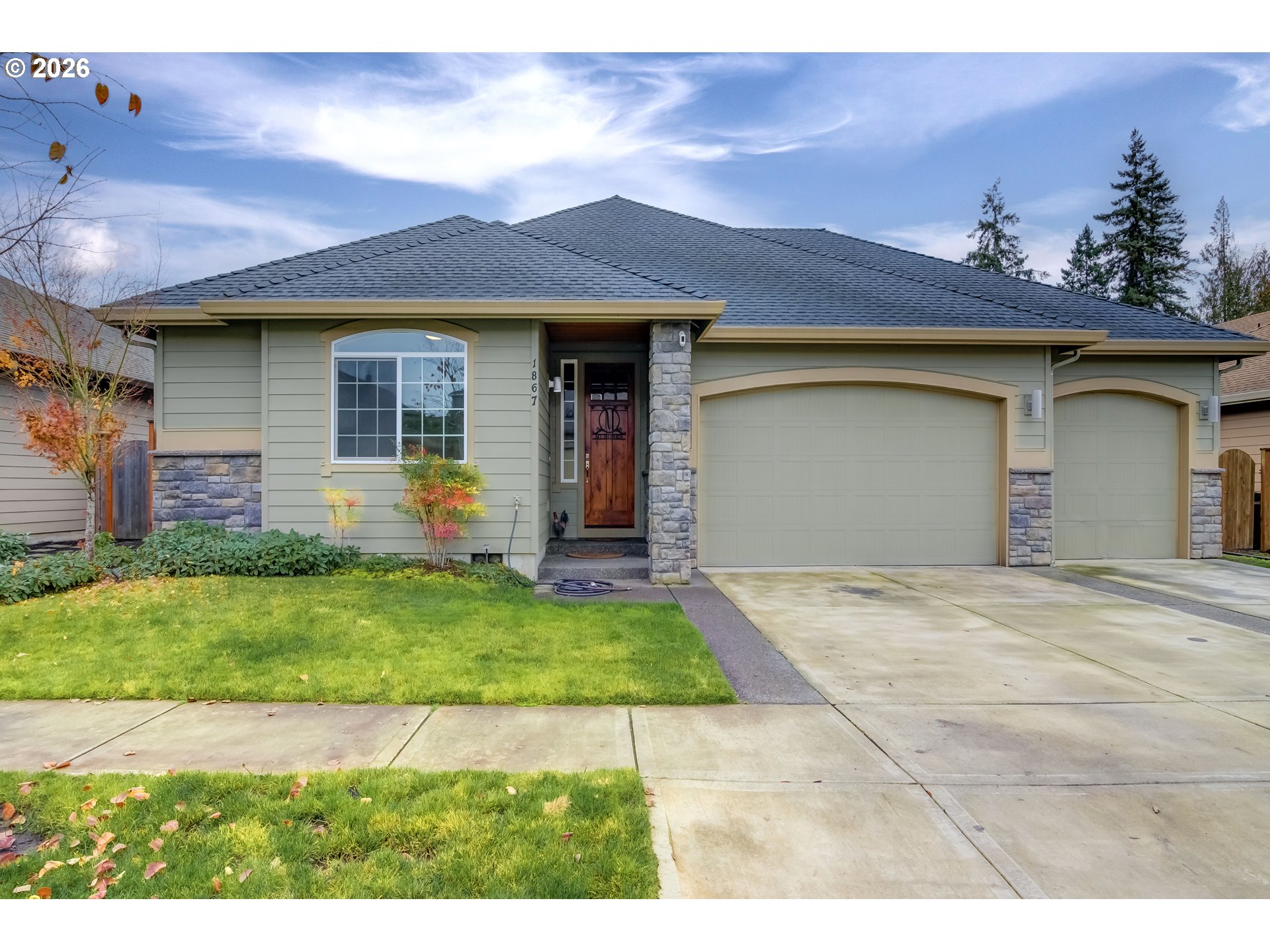
The properties you'll see fall into three broad categories. The most common is the modern craftsman built between 2018 and 2025, usually 2,200 to 2,800 square feet on a 5,000 to 7,000 square foot lot. Then there are the town-center cottages near downtown — smaller, older, often charming, and frequently in need of modernization. Finally, the rural buffer: one to five acre properties on the outskirts, often with private wells and septic systems, prized for their privacy and elbow room.
Selling here has changed significantly from the "list it and they'll come" days. Today's buyers are patient, informed, and unforgiving about condition. The most successful sellers price right at or just under fair market value to spark immediate weekend traffic, then let the market push the price back up through competing offers.
The first 14 days on market are critical. If you don't have a solid offer or significant showing activity within that window, the market is telling you something about your price. Homes that linger past 21 days start to acquire the dreaded "stale" label, which is genuinely difficult to recover from without a meaningful price reduction.
Staging is no longer optional. Because Ridgefield buyers are constantly comparing your resale home to brand-new builds down the street, your home has to look the part. Neutral, organic palettes — whites, oaks, soft greens — tend to perform best because they echo the natural aesthetic of the area. And critically, at least one bedroom should be staged as a dedicated home office. Roughly 35% of Ridgefield buyers in 2026 are hybrid or remote workers, and if they can't visualize where their desk goes, they often move on without making an offer.
A few things that genuinely matter in this market, beyond the standard advice:
If you're considering new construction, dig into the builder incentives before fixating on sticker price. A 2-1 mortgage rate buydown on a $650,000 home can save you several hundred dollars a month for the first two years — frequently more impactful than a $15,000 price reduction.
For resale homes, the best inventory still moves on the first weekend. Watch "Coming Soon" listings early in the week and try to tour Friday morning before the Saturday open house crowd arrives. The buyers who win in this market are the ones who've already seen the home before the masses descend.
If you're relocating from Oregon, make sure your lender understands you're moving to a no-income-tax state. This often improves your debt-to-income calculation and can quietly bump up your qualifying price point in ways that aren't obvious until you run the numbers.
And one more thing worth knowing: if you're looking near the Ridgefield National Wildlife Refuge, those views hold their value better than almost any other feature in town. But they come with environmental regulations that can complicate additions, outbuildings, or significant landscaping changes. Always verify with the city before assuming you can build what you envision.
Pricing in this market requires both data and psychology. On the data side, use comps from the last 90 days only — anything older is genuinely misleading in a market where new construction sets the daily benchmark. Your home isn't just competing with the neighbor's resale; it's competing with a brand-new build a mile away that comes with a builder warranty and a 5.5% mortgage rate.
The psychology piece is just as important. Buyers search in round numbers. If your home is worth approximately $705,000, pricing at $699,000 puts you in front of every buyer searching the under-$700k filter — a much larger pool than the one searching $700k–$800k. The same logic applies at $500k, $600k, and $800k thresholds.
The strategic move that consistently outperforms in Ridgefield is pricing at about 97% to 98% of fair market value. It ignites a small wave of competition that frequently drives the final sale to 101% or 102%. Conversely, pricing 3% to 5% above market almost always results in sitting on the market for 60+ days and ultimately selling for 93% to 95% — a meaningfully worse outcome.
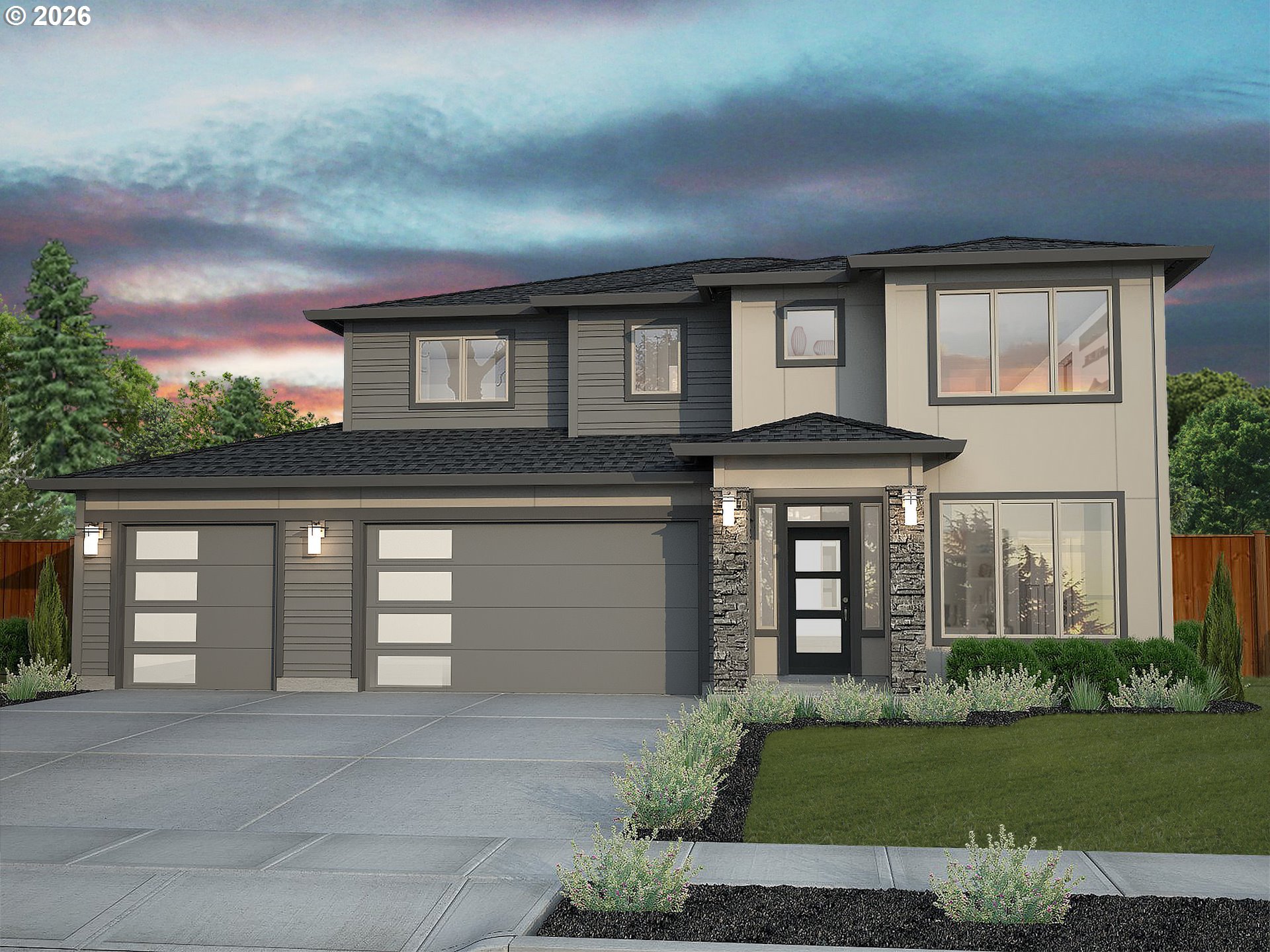
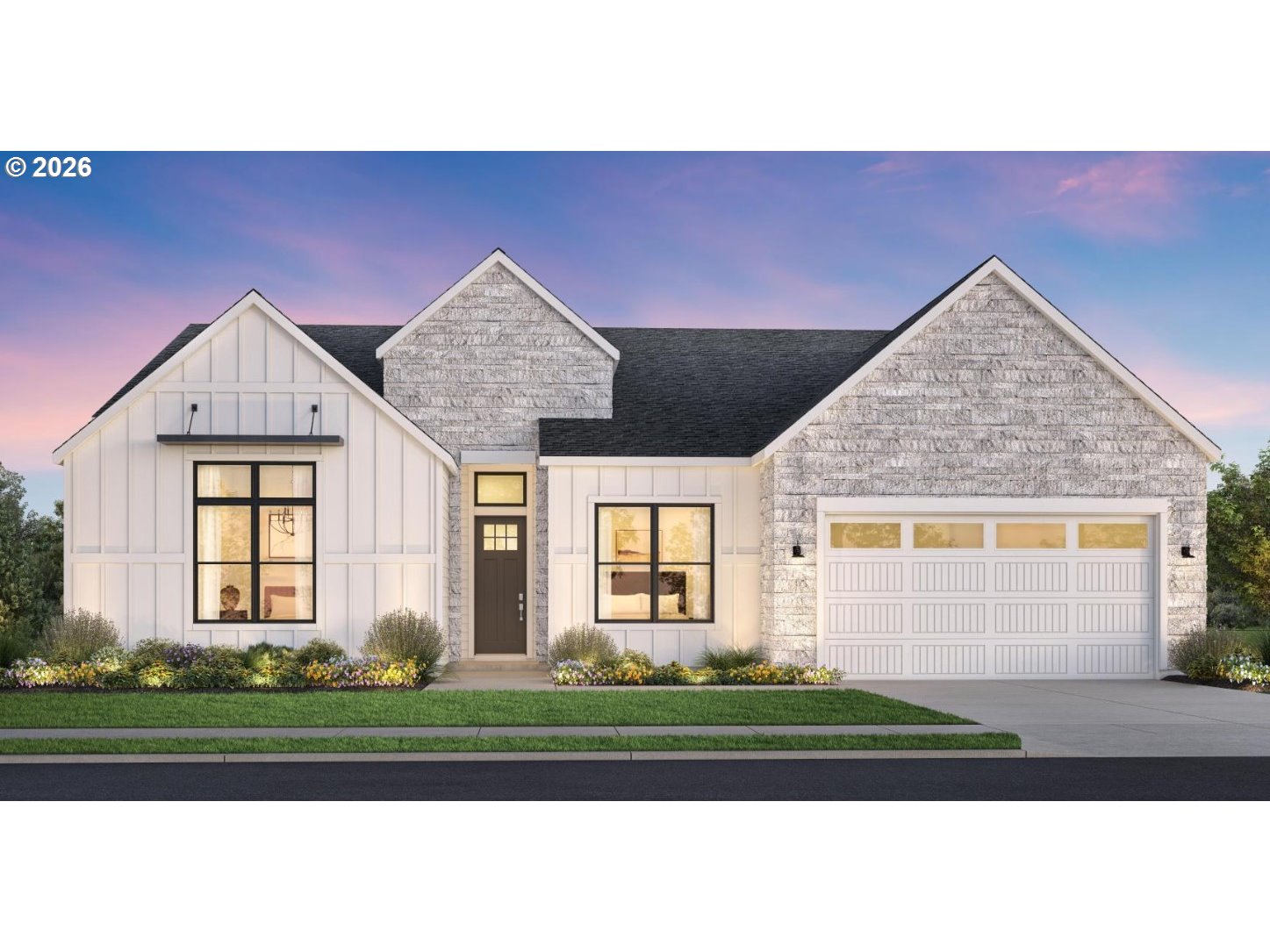
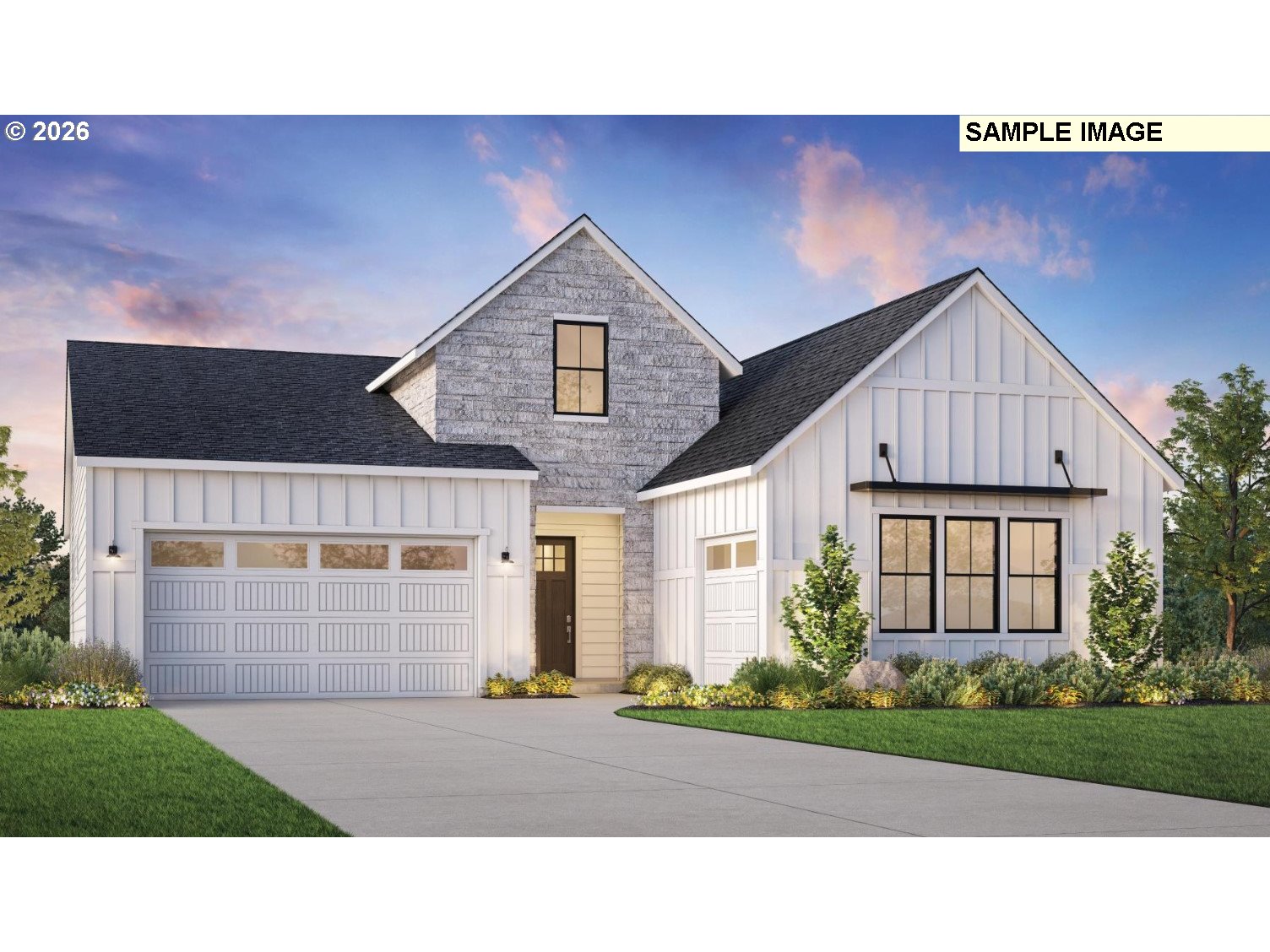
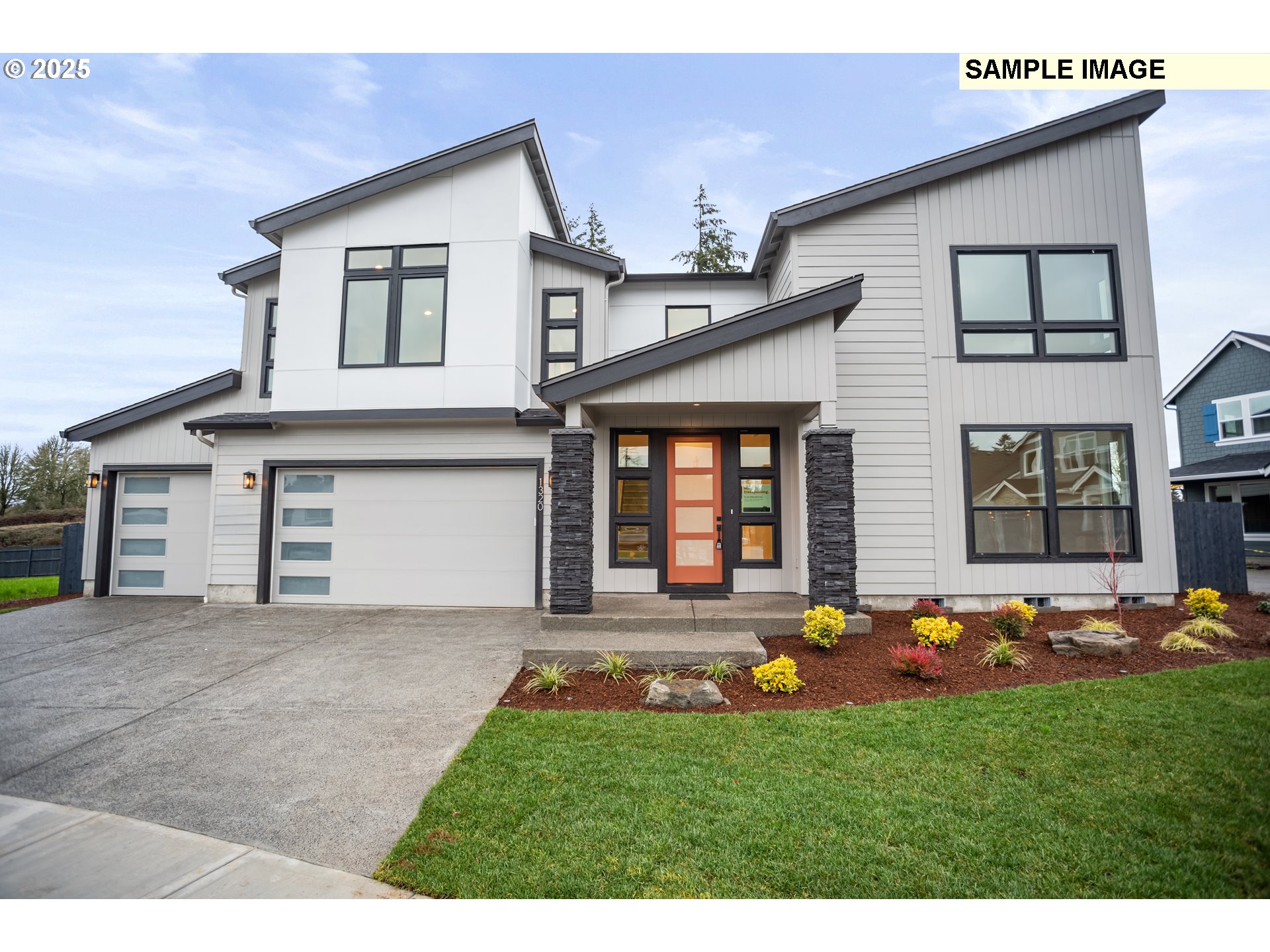
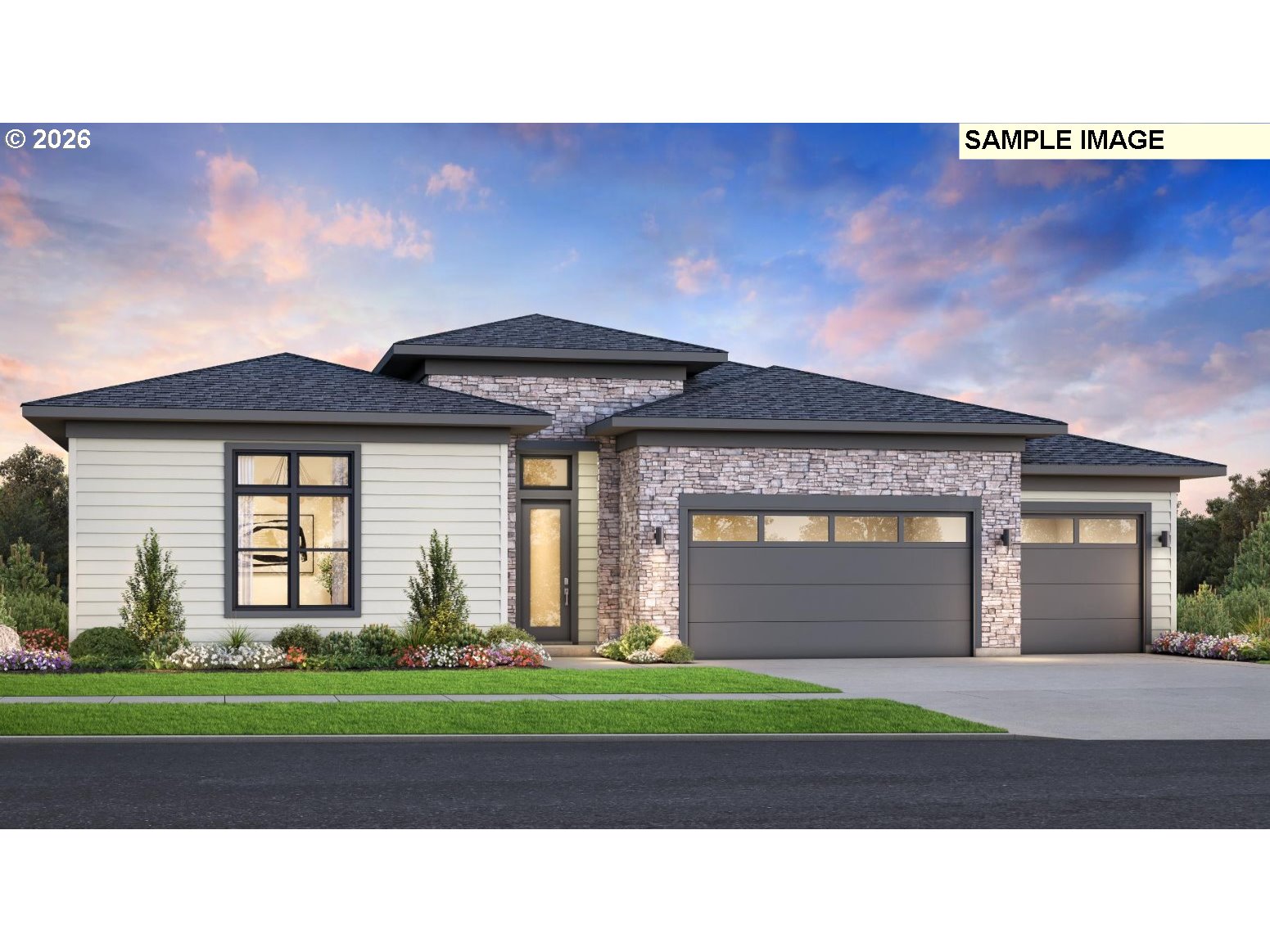
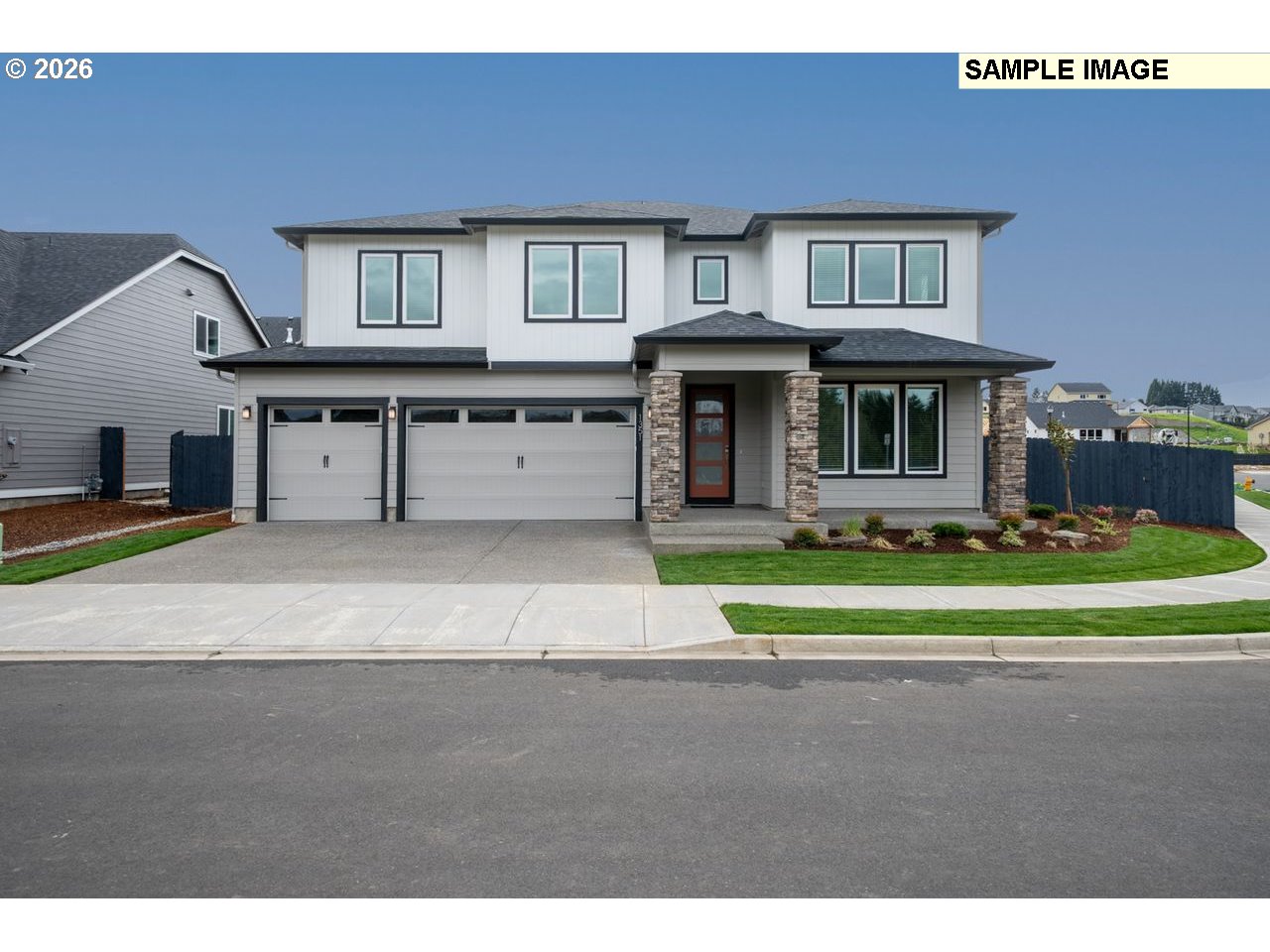
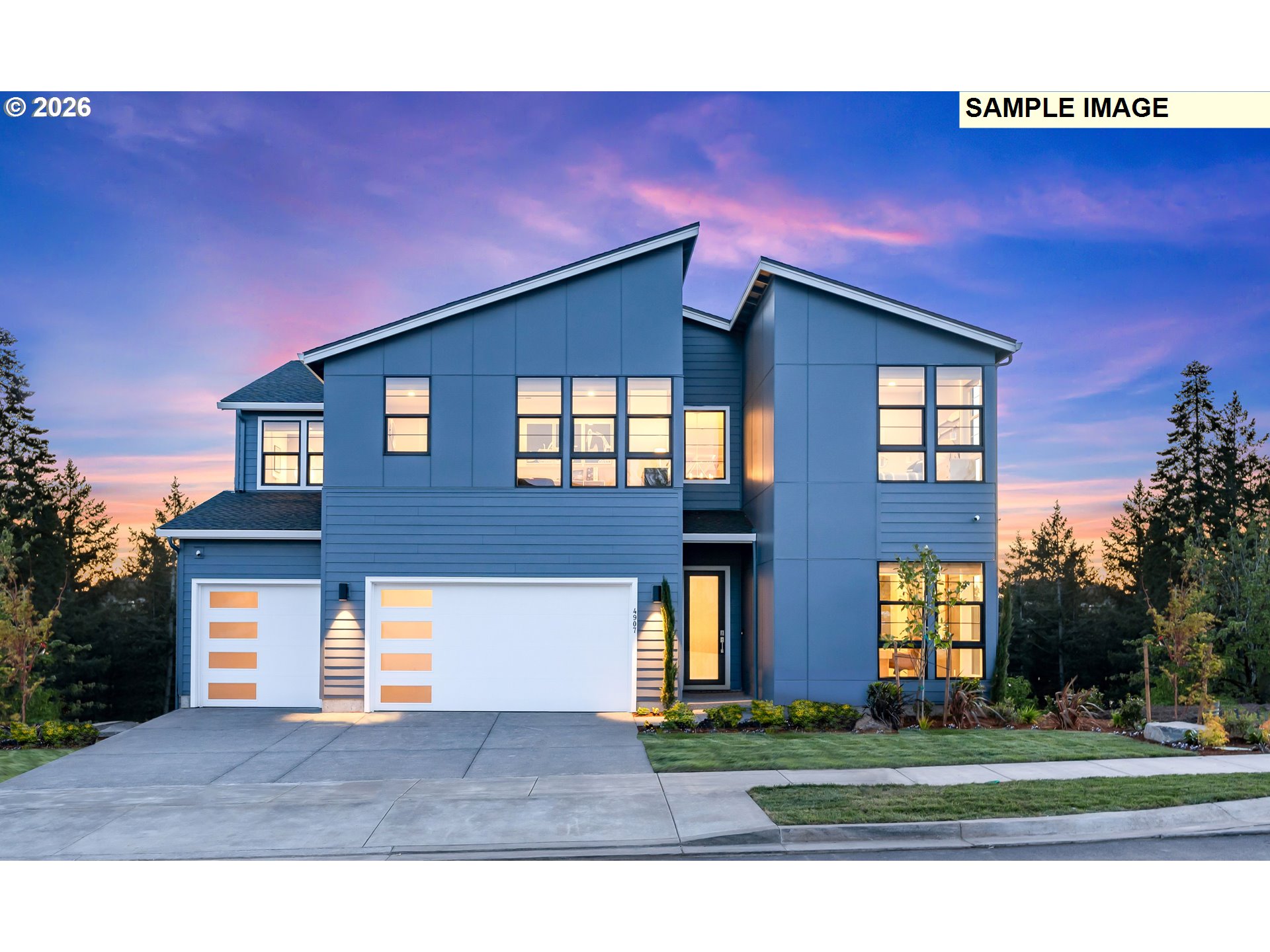
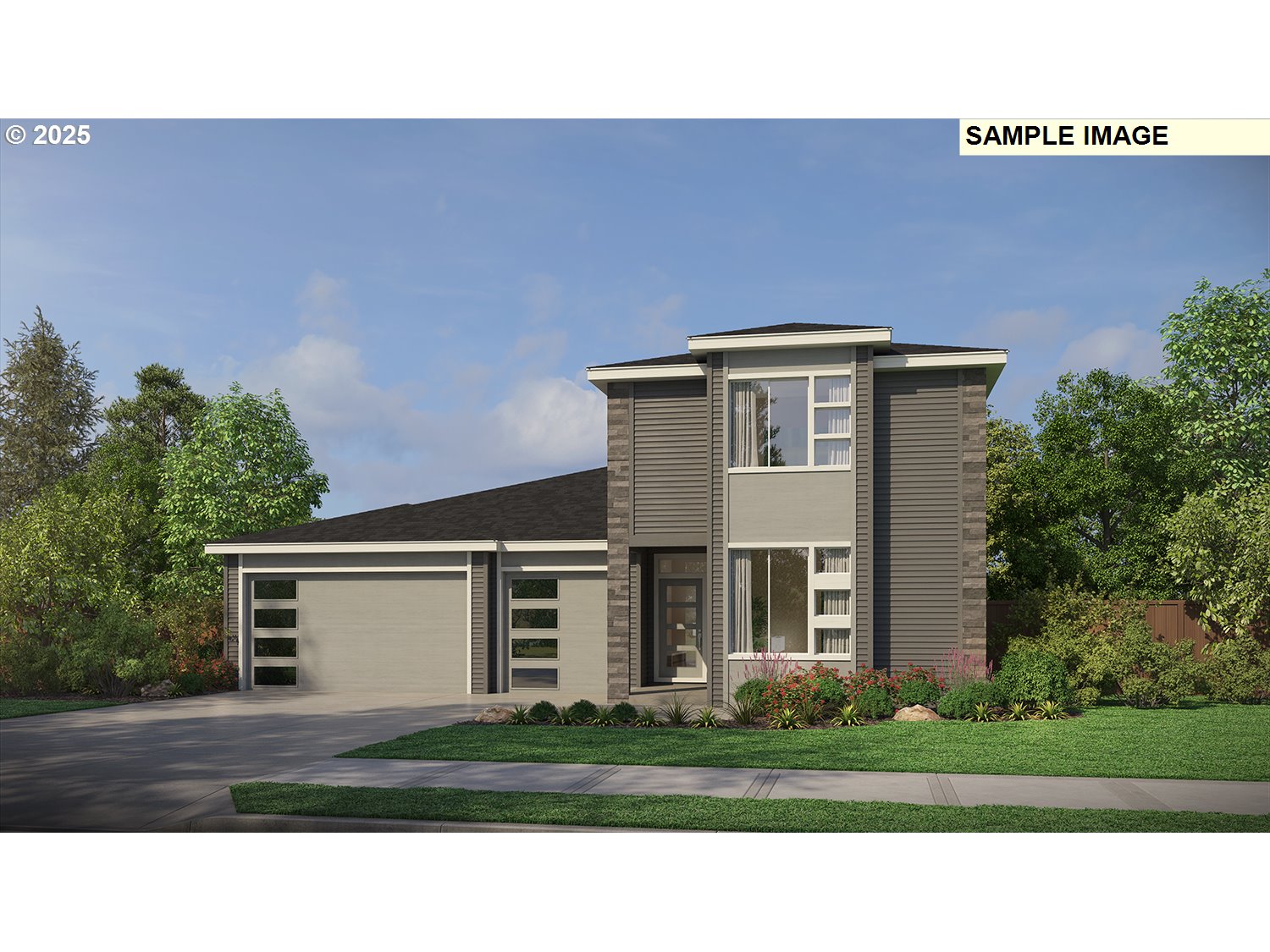
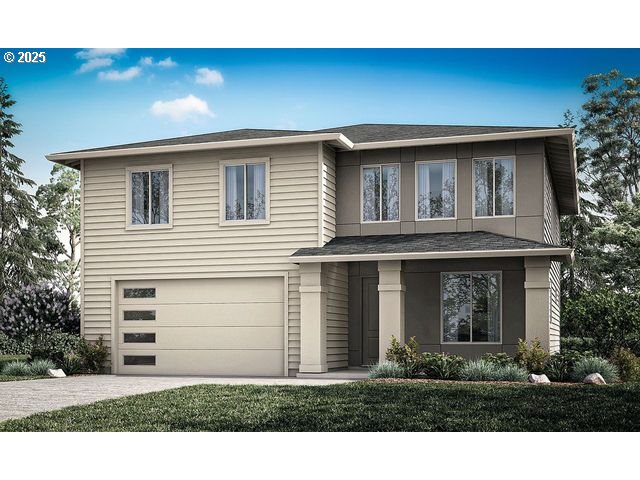
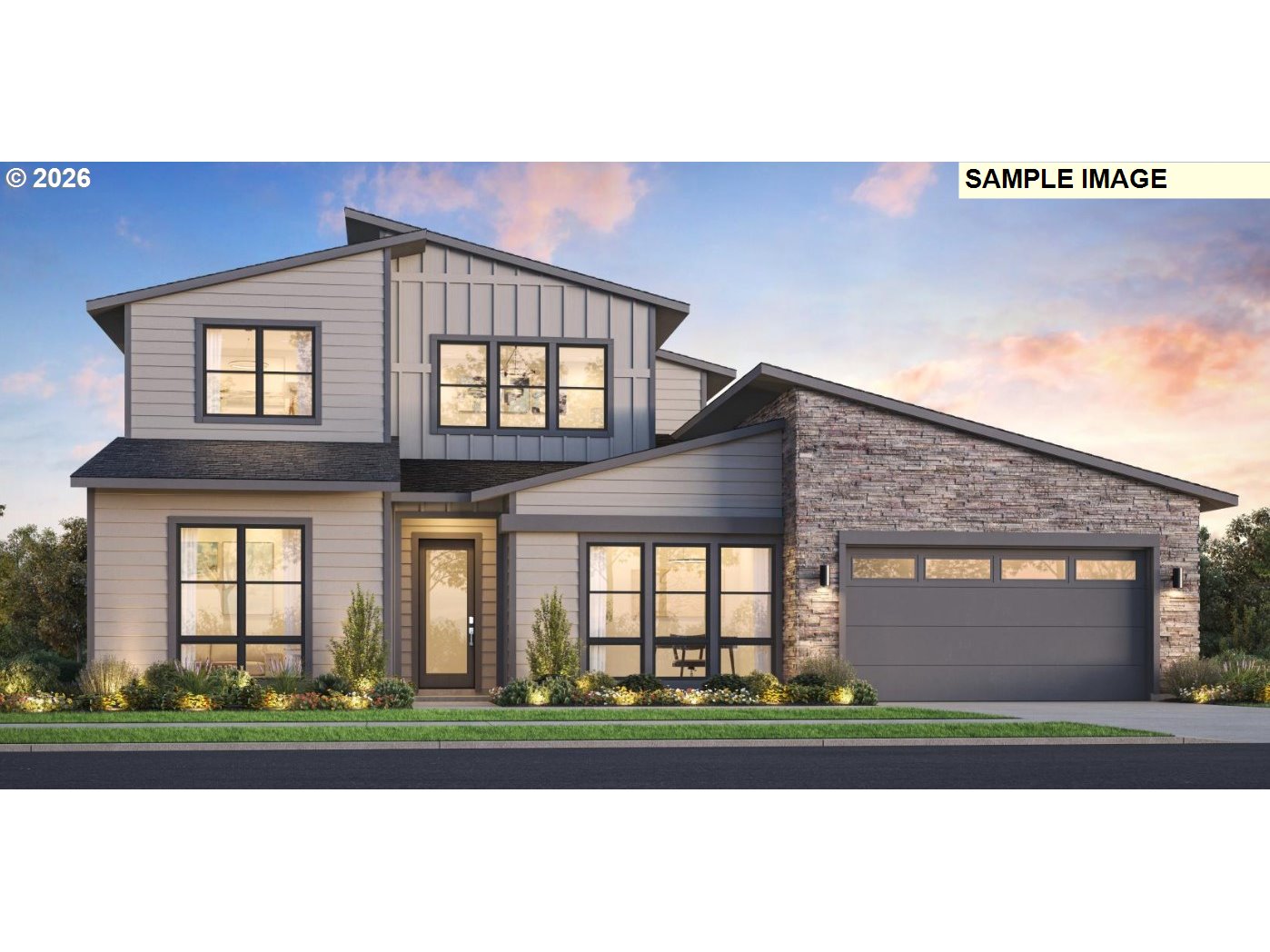
Ridgefield's architectural identity is genuinely split between two eras. The newer subdivisions — Taverner Ridge, Kennedy Farm, Paradise Pointe, and similar developments — are dominated by modern craftsman and Pacific Northwest contemporary designs. Think clean lines, expansive windows, mixed exterior materials (stone, cedar, metal), and open floor plans built around the realities of hybrid work.
Downtown tells a different story. The historic grid near Overlook Park contains original Craftsman bungalows, Pacific Northwest cottages, and the occasional Victorian dating back to the late 1800s. These homes offer wrap-around porches, mature gardens, and character that simply can't be replicated in new construction.
On the periphery, particularly near the Wildlife Refuge and along the rural roads, you'll find large custom estates, traditional farmhouses, and an increasing number of modern barndominiums on multi-acre lots. The 2026 aesthetic trend across all these styles is a clear move away from gray-scale palettes toward nature-inspired tones — sage greens, deep ochres, warm woods — and floor plans designed around privacy and multi-generational living.
Ridgefield is a car-dependent town at the macro level, but it offers genuinely high walkability in specific pockets. If you live in the downtown grid, you can walk to the library, coffee shops, restaurants, and the entry to the Wildlife Refuge. Newer subdivisions are designed with internal walkability — trail systems, sidewalks, neighborhood parks — but you'll still drive for groceries and most errands.
The commute is where Ridgefield earns its premium. Vancouver is a straightforward 15 to 20 minute drive south on I-5. Portland runs 35 to 50 minutes during peak hours, though the 2026 improvements to the I-5/I-205 split have made it noticeably more predictable. For those who prefer not to drive, C-TRAN's Route #48 connects the Ridgefield Junction Park & Ride to the 99th Street Transit Center in Vancouver, where express buses continue into downtown Portland.
The Pioneer Street Widening Project, completed recently, added multi-use trails on both sides of the main arterial, making it genuinely safe to bike from the eastern subdivisions into the downtown core — something that wasn't really possible five years ago.
The Ridgefield School District is, without exaggeration, the single biggest reason many families move here. It consistently ranks in the top tier of Clark County and the broader Portland metro region, holding a B+ to A- rating across the major school evaluation platforms. Test scores in math and literacy run well above state averages, and because the city has grown so quickly, many of the school buildings are among the newest in the region.
Ridgefield High School anchors the district with strong athletics (the Spudders are a point of genuine local pride), high graduation rates, and an expanding AP program. Sunset Ridge Intermediate (grades 5–6) and View Ridge Middle (grades 7–8) are well-regarded for their transitional programs and modern facilities. For families seeking flexibility, Wisdom Ridge Academy offers a K–12 alternative and virtual learning option within the district.
One important note for 2026: the district updated its boundary map for the 2026–27 school year to balance enrollment across Union Ridge, South Ridge, and Sunset Ridge elementary schools. If you're buying with a specific school in mind, always verify the current boundary directly with the district — legacy maps online may not reflect the recent changes.
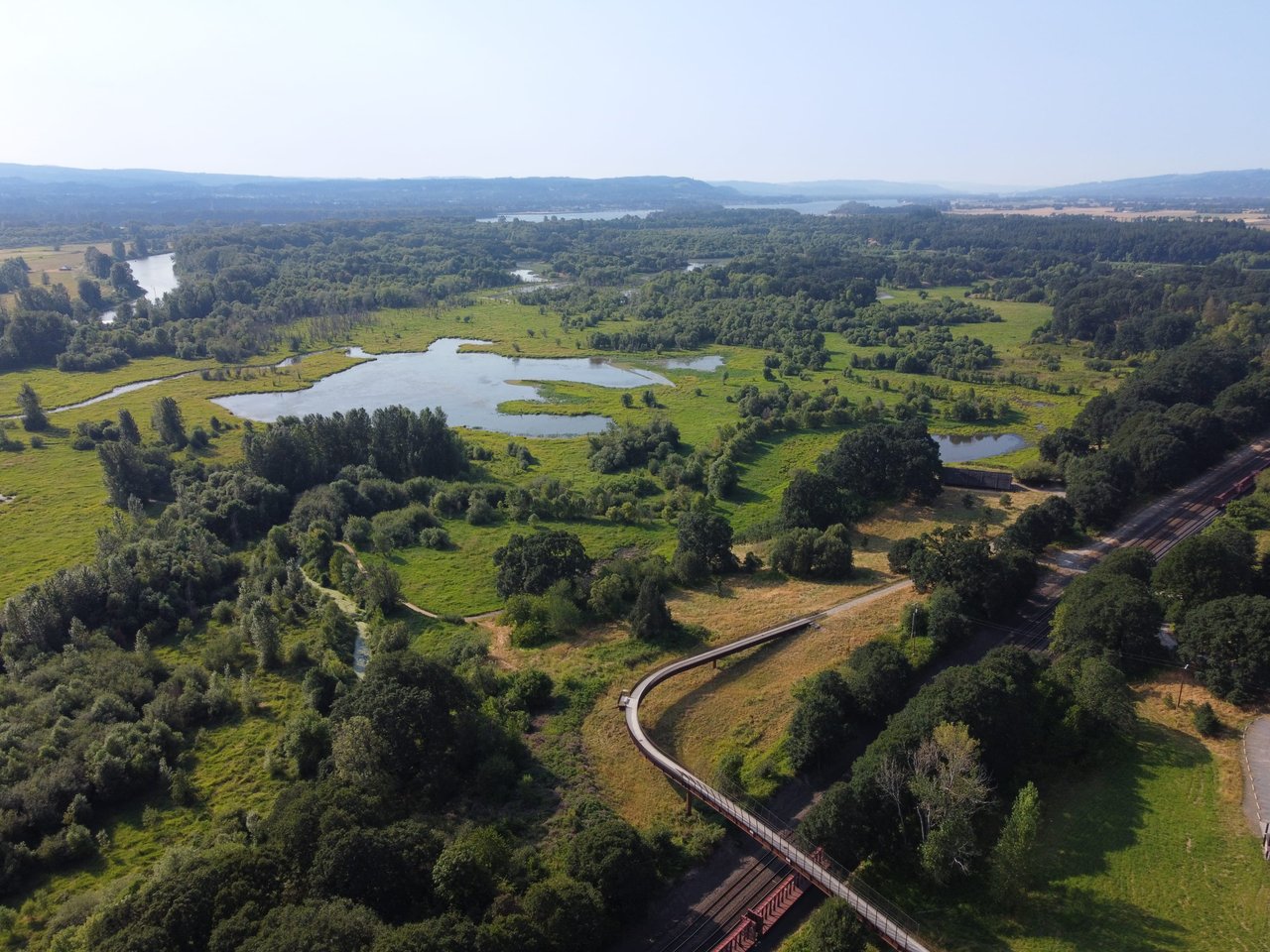
Outdoor access in Ridgefield is not a marketing line — it's structural. The crown jewel is the Ridgefield National Wildlife Refuge, over 5,000 acres of marshes, grasslands, and forest with two main visitor experiences: the Oaks to Wetlands walking trail and the Auto Tour Route. It's a fee-entry area, and dogs aren't permitted in order to protect nesting wildlife.
Abrams Park, near downtown, is the community's classic gathering space — playground, horseshoe pits, Gee Creek running through it, and the iconic Lefty's Barn that's served as the backdrop for countless family photos. Overlook Park is smaller but sits at the heart of downtown and hosts the Saturday Farmers Market from May through September.
The newest addition is Storybook Hollow Park in the Paradise Pointe neighborhood — a 15-acre nature-focused space that opened its first phase in 2026, featuring a nature-themed playset, insect climbing structures, and a long hill slide designed to blend into the surrounding wetlands.
The Ridgefield scene is best described as "high-end casual" — places where you can get a thoughtfully prepared meal but won't feel out of place in flannel. Two main hubs anchor the social life. Downtown holds the long-standing favorites like Sportsman's Steakhouse and several local taprooms, drawing a multi-generational crowd that's been here for years.
The Hillhurst Commercial Center is the newer energy. Spots like Mahoney's Public House and Fika Coffee have quickly become the gathering places for younger professionals and families. For something more upscale, several boutique tasting rooms downtown have made Ridgefield a quiet satellite of the regional wine scene.
For higher-energy nights out, ilani Casino Resort sits just a few minutes north and now includes Rock & Brews for live music and late-night dining — a useful counterweight to Ridgefield's otherwise quiet evenings.
For years, serious shopping meant driving to Vancouver. That's no longer true. The opening of the Ridgefield Costco near the I-5 junction reshaped local habits more than any single development in recent memory, anchoring a new retail ecosystem along with gas, tires, and adjacent service businesses.
Downtown maintains its Main Street character with curated boutiques, a local hardware store, and the Saturday Farmers Market that functions as much as a social event as a shopping trip. Rosauers Supermarket remains the primary high-end grocer, while newer developments like Royle Ridge Station are bringing in more daily-needs retail. Pioneer Village, a 10-acre mixed-use development, rounds out the picture with western-style and barn-style spaces housing boutique fitness studios, small offices, and lifestyle-oriented retail.
If you're considering a move to Ridgefield — whether you're a first-time buyer, relocating from Oregon, or looking at the luxury end of the market — having someone in your corner who knows the local terrain matters more than ever in this maturing market.
David Merrick is a dual-licensed broker (Washington and Oregon) and Certified Luxury Home Marketing Specialist with Cascade Hasson | Sotheby's International Realty, based in Vancouver, WA. With over nine years of experience across Southwest Washington and the Portland metro, David brings a relationship-driven, strategy-first approach to every transaction — drawing on a background in corporate retail sales and management that translates directly into sharp negotiation and clear communication. He represents properties across all price points and has earned recognition including the Cascade-Hasson | Sotheby's Gold Award for $15–$20 million in production in 2025 and consistent rankings among the LGBTQ+ Real Estate Alliance's Top 100 Agents in North America.
If you're ready to talk through your next chapter — or just want a candid read on the market — reach out:
📞 (360) 947-1625 ✉️ [email protected] 📍 900 Washington Street, Suite 150, Vancouver, WA 98660
There's plenty to do around Ridgefield, including shopping, dining, nightlife, parks, and more. Data provided by Walk Score and Yelp.
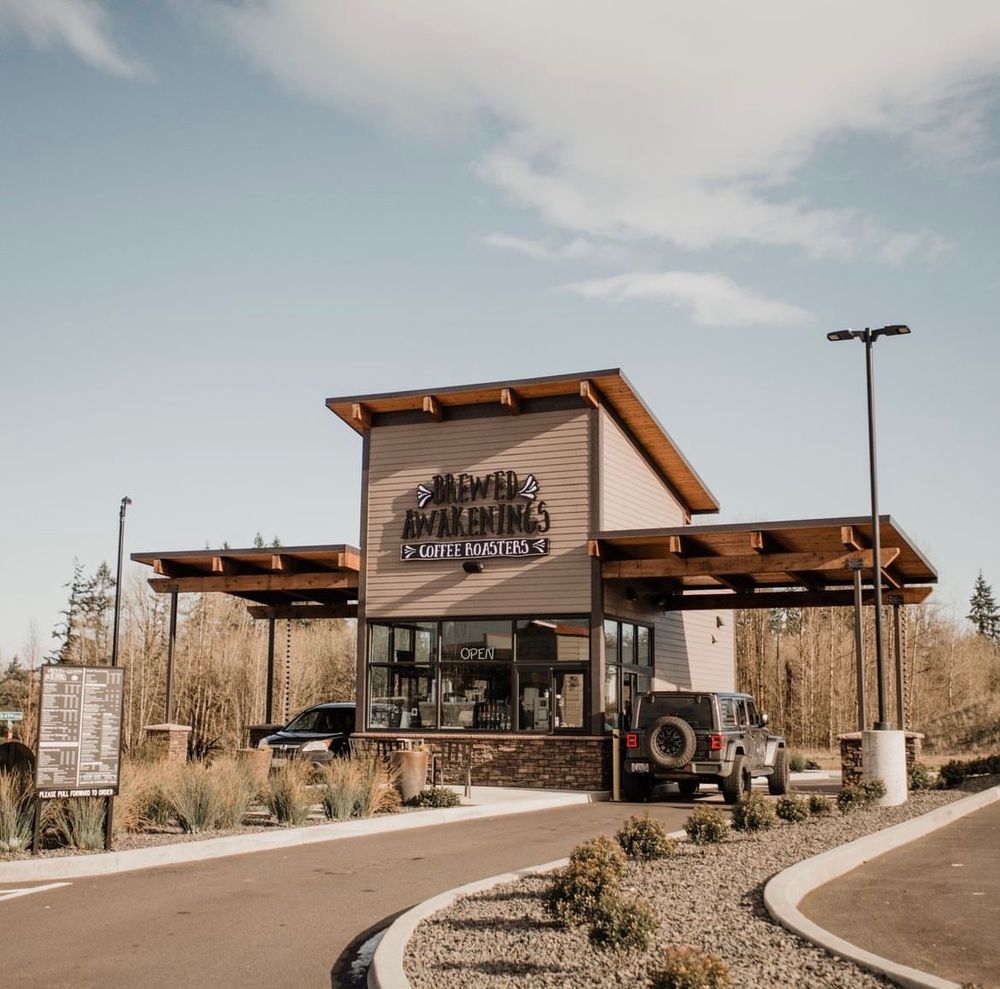
Explore popular things to do in the area, including BevRidge Public, Brewed Awakenings, and Ichi Teriyaki 30.
| Name | Category | Distance | Reviews |
Ratings by
Yelp
|
|---|---|---|---|---|
| Dining · $$ | 0.22 miles | 193 reviews | 4.3/5 stars | |
| Dining | 0.25 miles | 24 reviews | 4.4/5 stars | |
| Dining | 0.26 miles | 61 reviews | 4.2/5 stars | |
| Dining | 0.28 miles | 82 reviews | 4.1/5 stars | |
| Dining | 0.28 miles | 73 reviews | 1.4/5 stars | |
| Dining | 0.28 miles | 56 reviews | 3.6/5 stars | |
| Dining · $$ | 0.33 miles | 42 reviews | 3.1/5 stars | |
| Dining | 0.74 miles | 0 reviews | 0/5 stars | |
| Dining | 0.74 miles | 0 reviews | 0/5 stars | |
| Shopping | 0.22 miles | 11 reviews | 4.5/5 stars | |
| Shopping | 0.28 miles | 0 reviews | 0/5 stars | |
| Active | 0.36 miles | 0 reviews | 0/5 stars | |
| Active | 0.74 miles | 0 reviews | 0/5 stars | |
| Active | 0.74 miles | 0 reviews | 0/5 stars | |
| Active | 0.74 miles | 0 reviews | 0/5 stars | |
| Beauty | 0.01 miles | 0 reviews | 0/5 stars | |
| Beauty | 0.23 miles | 9 reviews | 3.7/5 stars | |
| Beauty | 0.26 miles | 3 reviews | 3.7/5 stars | |
| Beauty | 0.26 miles | 0 reviews | 0/5 stars | |
| Beauty | 0.28 miles | 89 reviews | 2.9/5 stars | |
| Beauty | 0.55 miles | 0 reviews | 0/5 stars | |
| Beauty | 0.74 miles | 3 reviews | 5/5 stars | |
|
|
||||
|
|
||||
|
|
||||
|
|
||||
|
|
||||
|
|
Ridgefield has 4,317 households, with an average household size of 2.91. Data provided by the U.S. Census Bureau. Here’s what the people living in Ridgefield do for work — and how long it takes them to get there. Data provided by the U.S. Census Bureau. 12,576 people call Ridgefield home. The population density is 1,713 and the largest age group is Data provided by the U.S. Census Bureau.
Total Population
Population Density Population Density This is the number of people per square mile in a neighborhood.
Median Age
Men vs Women
Population by Age Group
0-9 Years
10-17 Years
18-24 Years
25-64 Years
65-74 Years
75+ Years
Education Level
Total Households
Average Household Size
Average individual Income
Households with Children
With Children:
Without Children:
Marital Status
Blue vs White Collar Workers
Blue Collar:
White Collar: