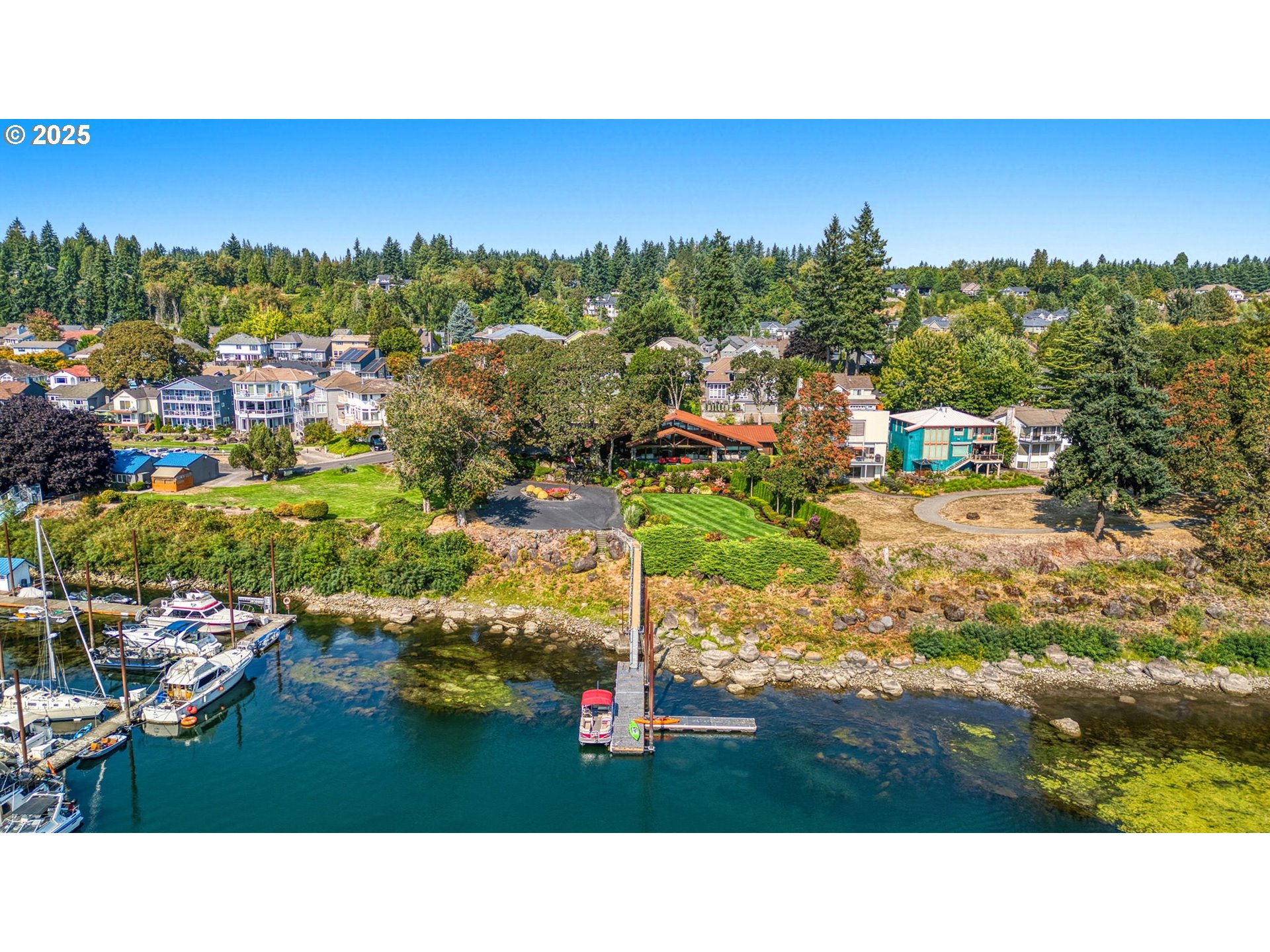
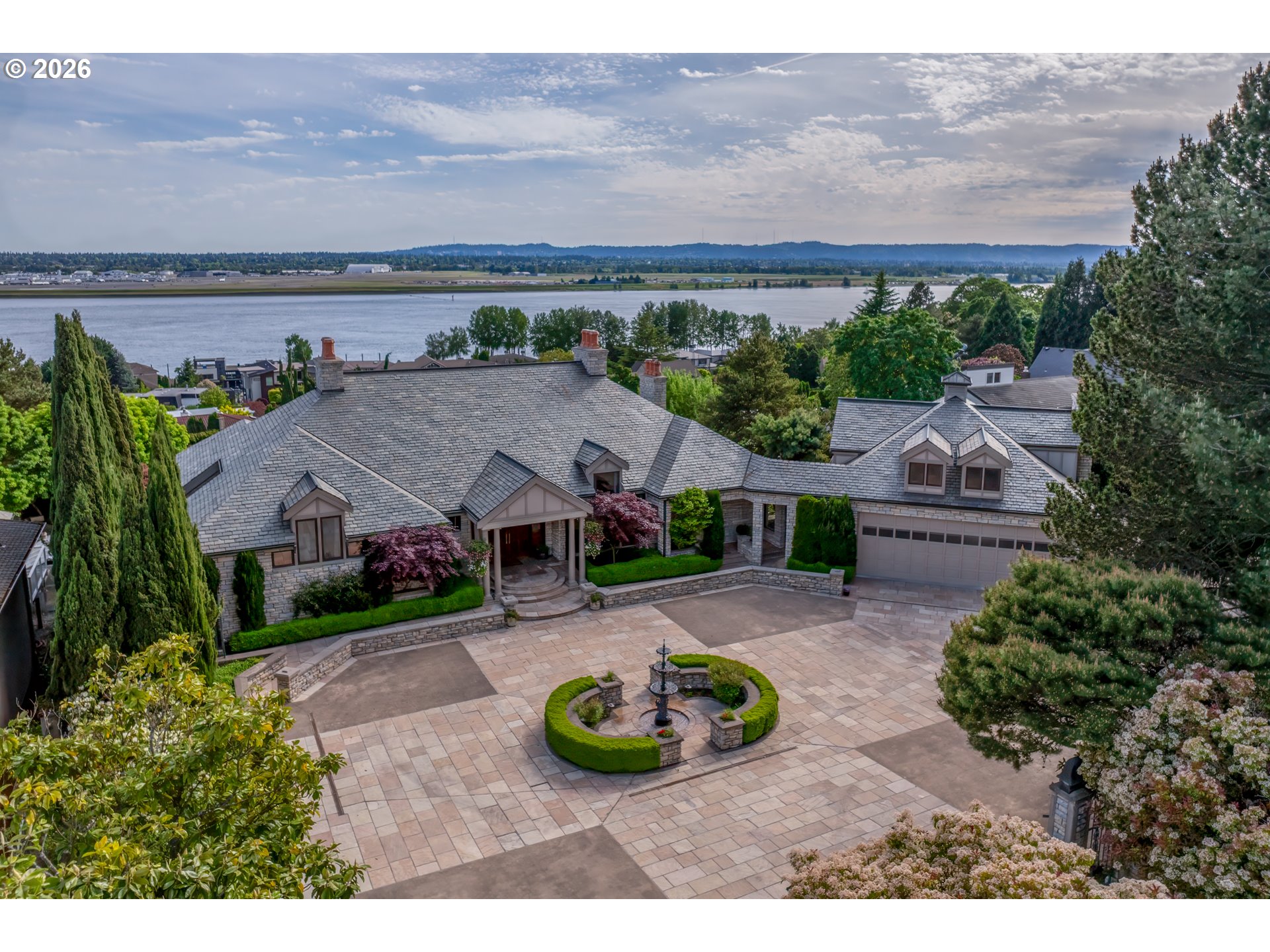
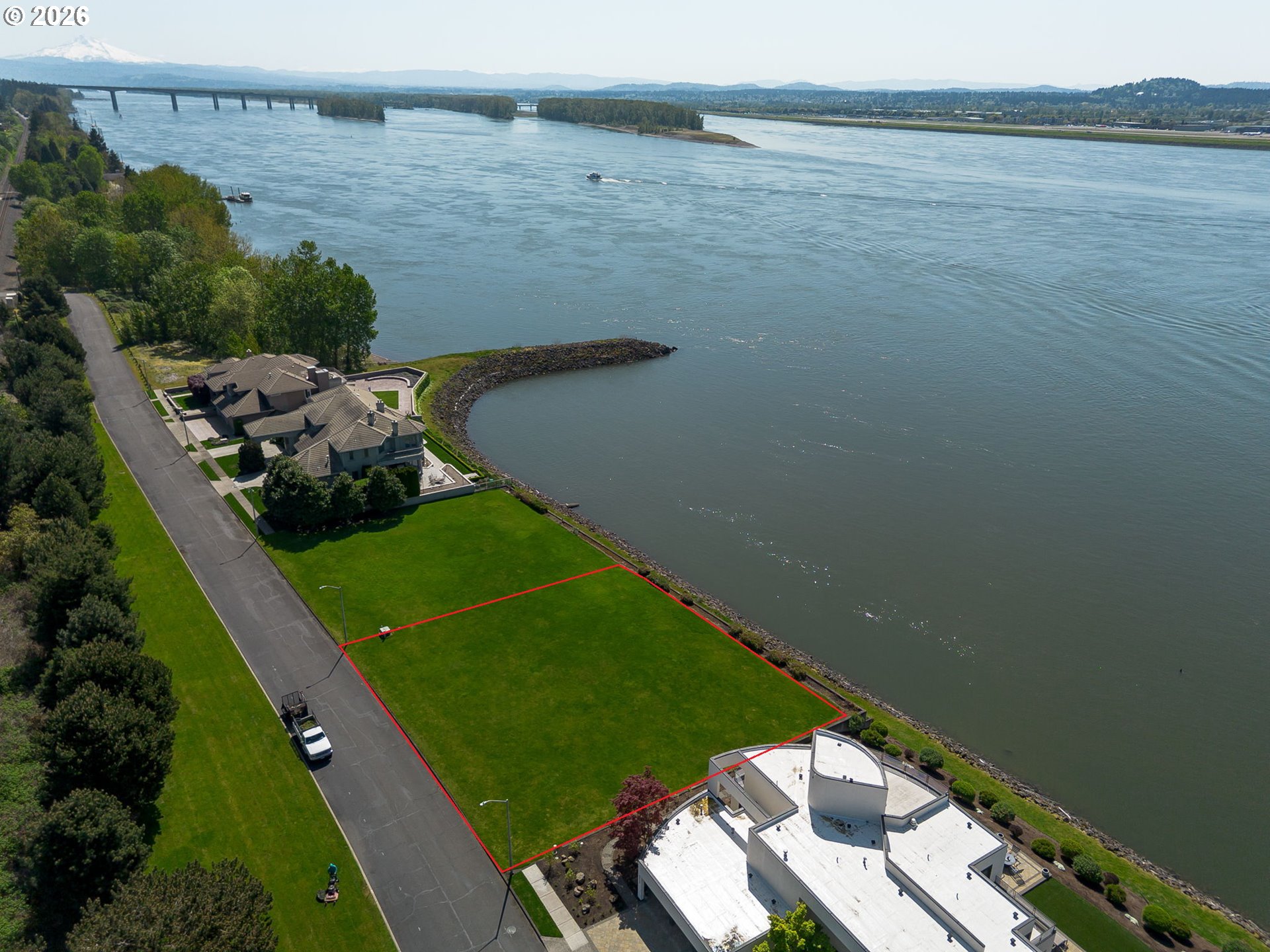
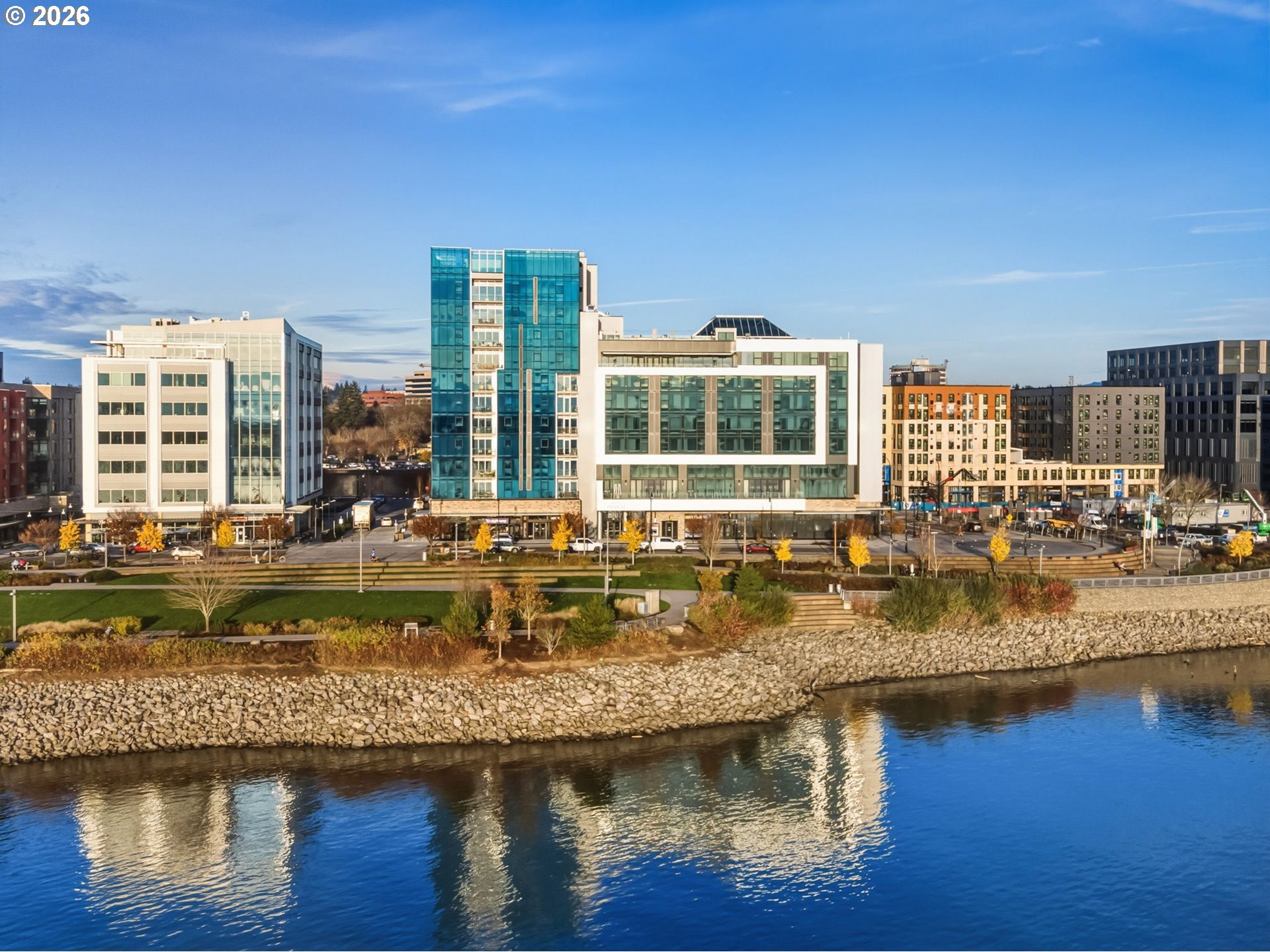
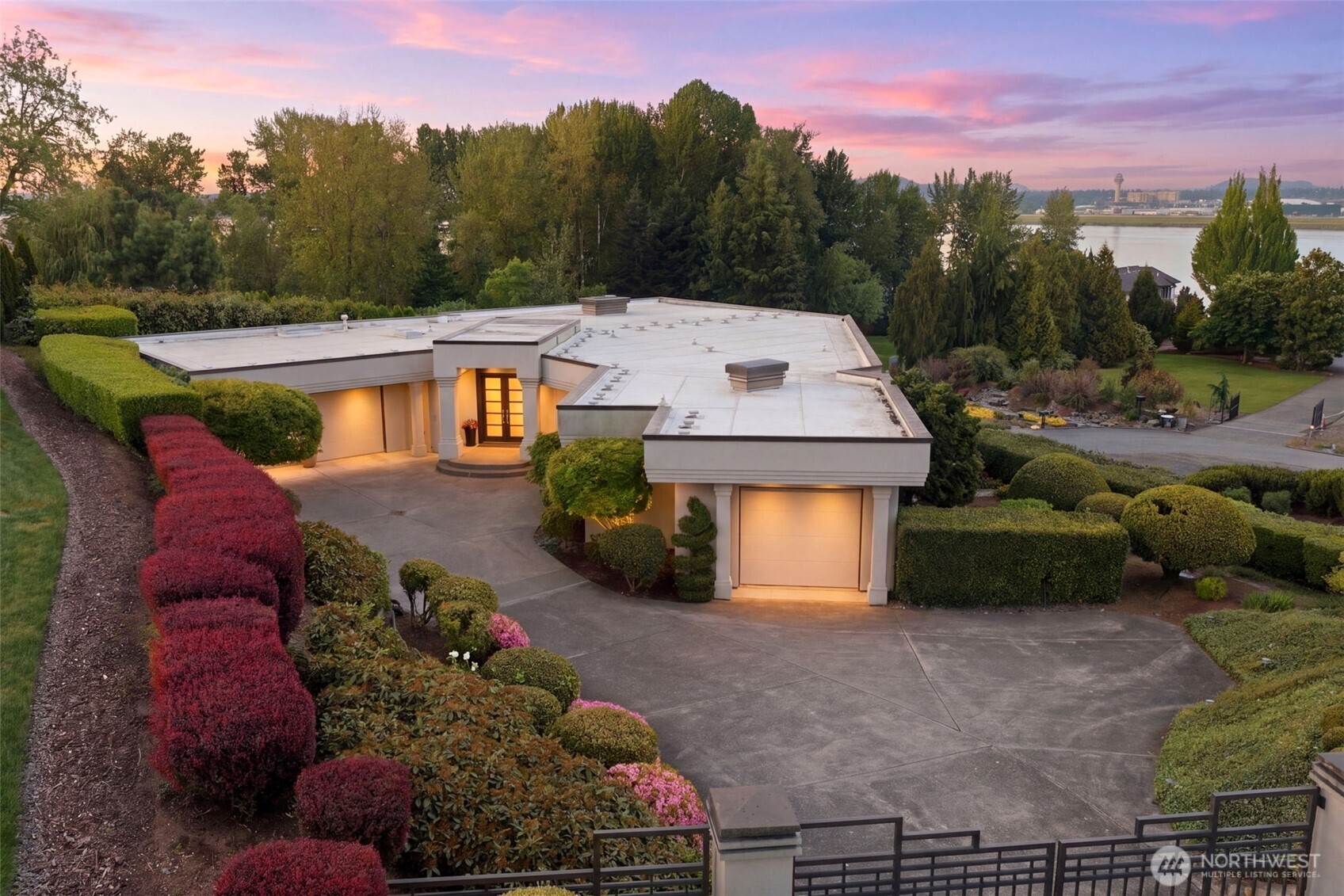
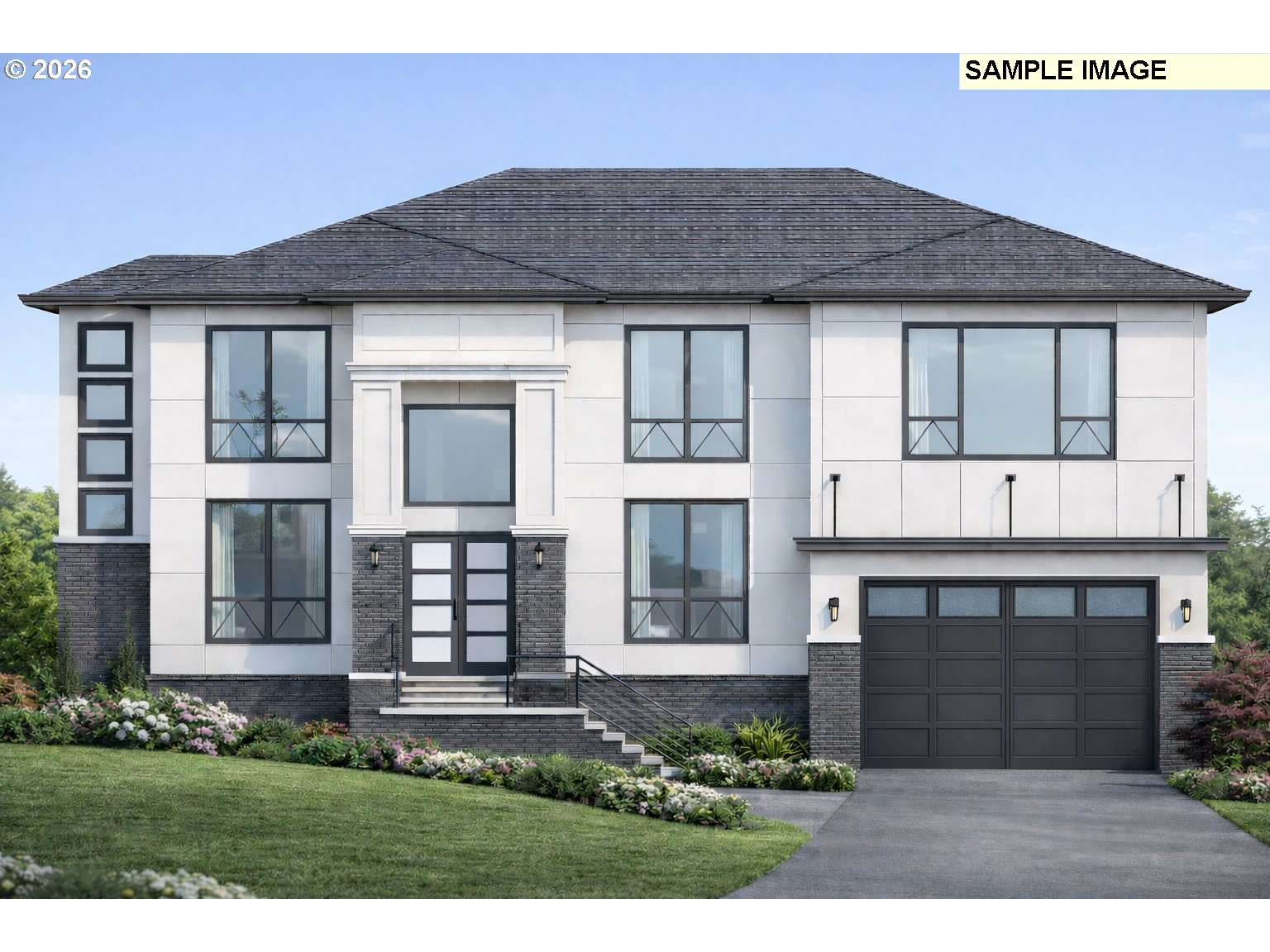
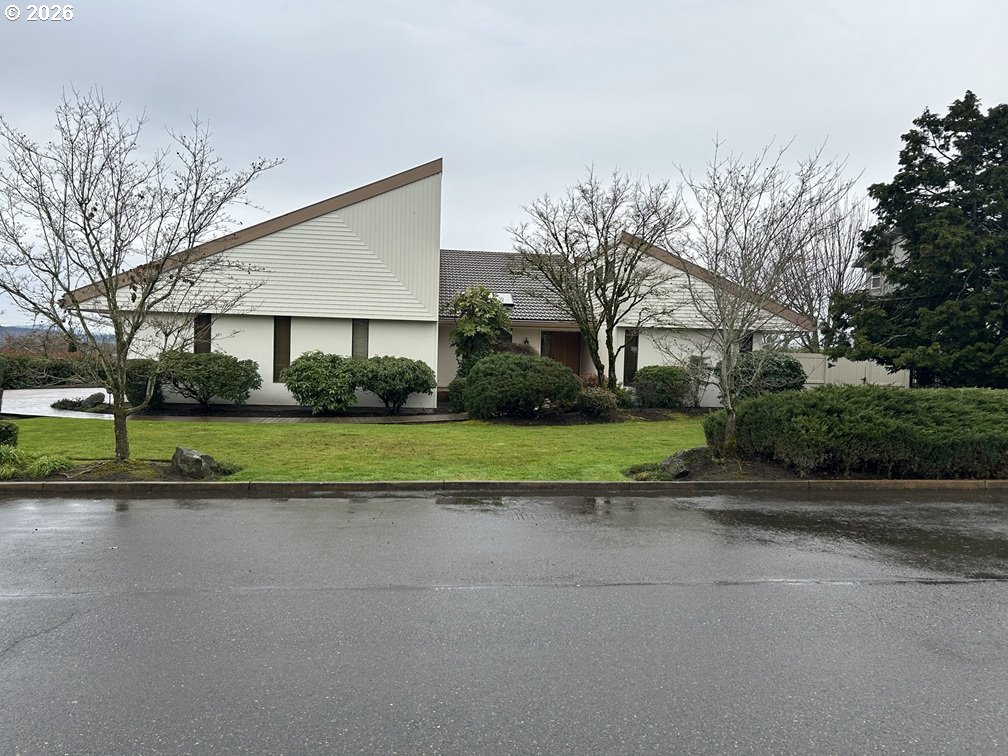
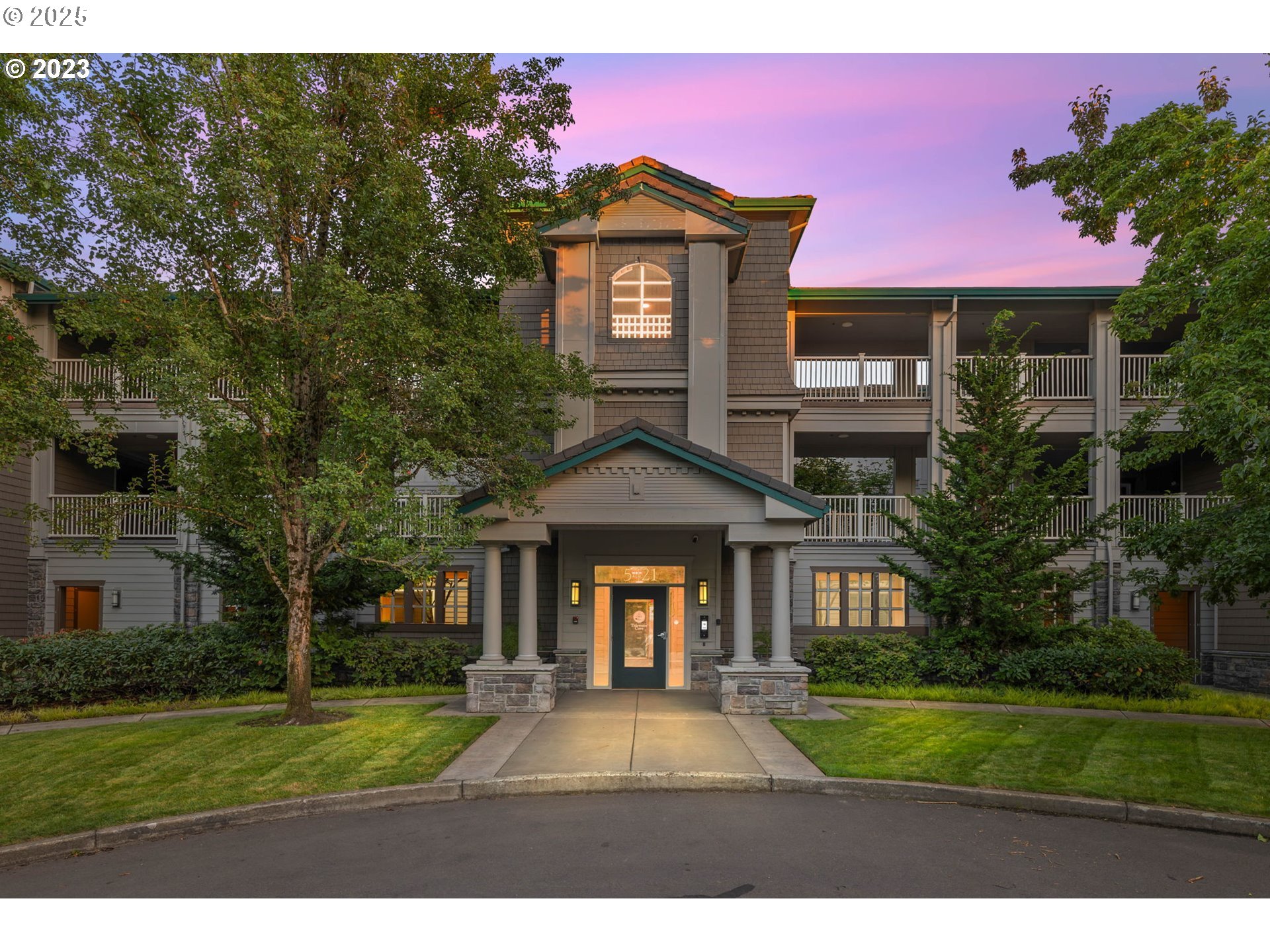
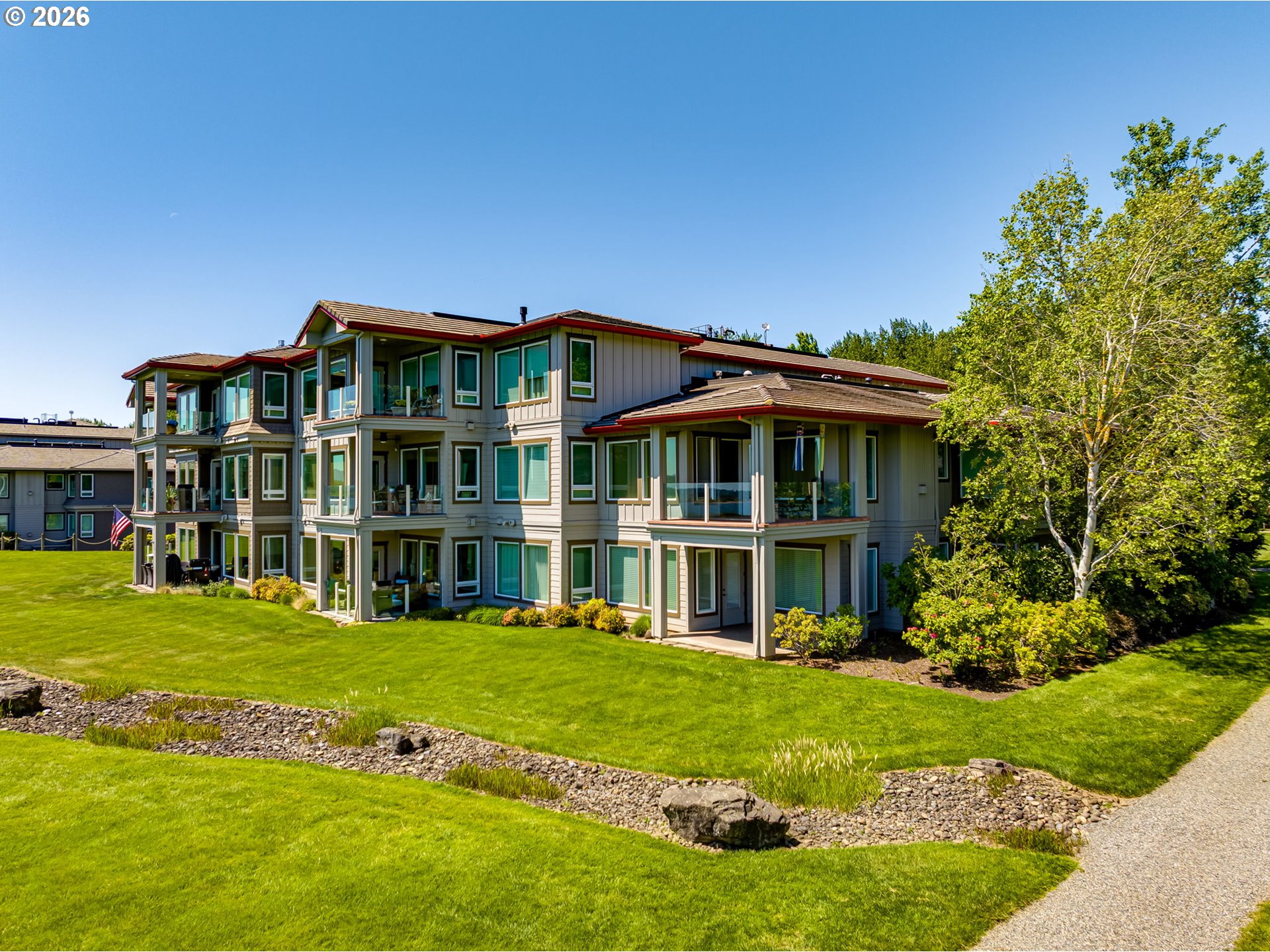
Based on information submitted to the MLS GRID as of . All data is obtained from various sources and may not have been verified by the broker or MLS GRID. Supplied Open House Information is subject to change without notice. All information should be independently reviewed and verified for accuracy. Properties may or may not be listed by the office/agent presenting the information.
192,696 people live in Vancouver, where the median age is 37.5 and the average individual income is $42,839. Data provided by the U.S. Census Bureau.
Total Population
Median Age
Population Density Population Density This is the number of people per square mile in a neighborhood.
Average individual Income
01
Vancouver, Washington is the Pacific Northwest's best-kept secret—a city that delivers Portland's livability without Oregon's income tax.
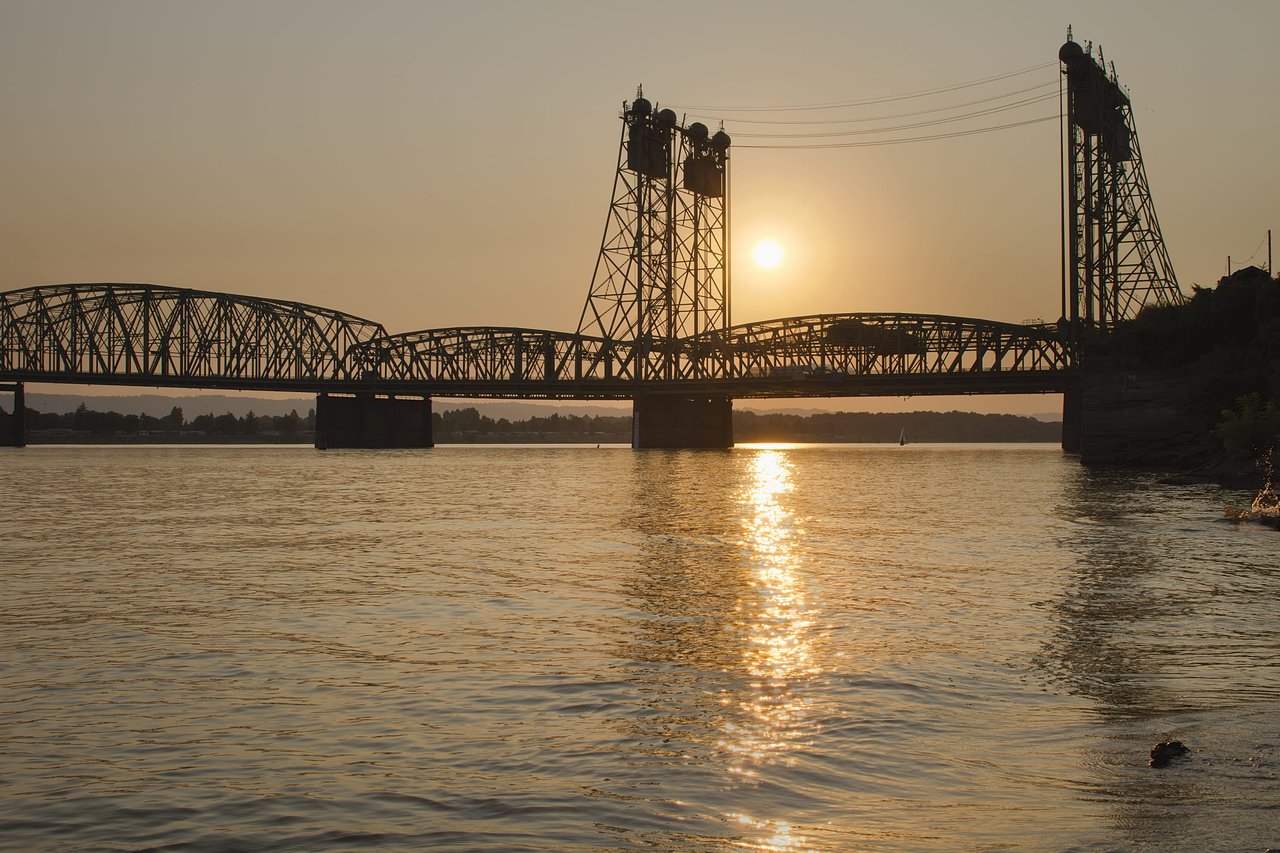
Situated along the Columbia River's north bank, Vancouver is Clark County's largest city and Washington's fourth-largest municipality with approximately 195,000 residents. The city blends small-town accessibility with urban amenities, attracting young professionals, growing families, and retirees seeking value and quality of life.
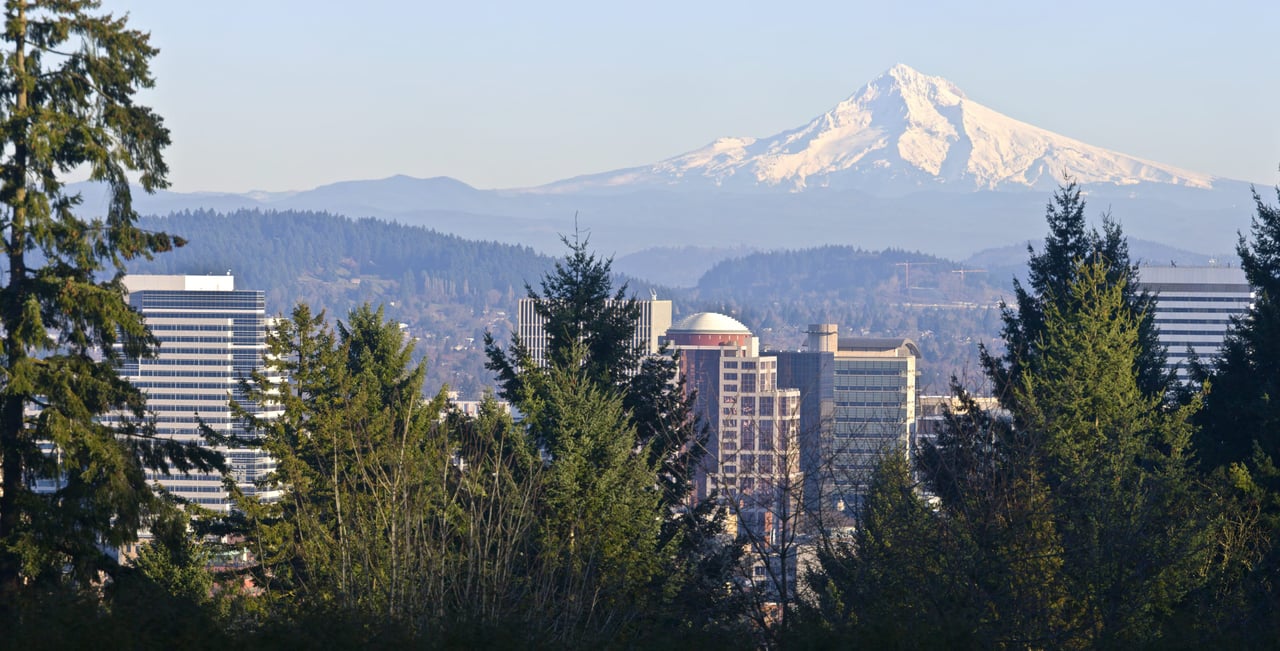
The character here is distinctly Pacific Northwest: evergreen trees frame neighborhoods, the Columbia River anchors the landscape, and Mt. Hood and Mt. St. Helens form a dramatic backdrop. The vibe is unpretentious and outdoors-oriented, with residents who value community, nature access, and genuine connection over flashy status symbols.
What makes Vancouver appealing is simple: you get metropolitan access without metropolitan costs or complications. Residents cross the I-5 bridge into Portland for concerts, dining, and employment, then return home to Washington's tax-friendly environment and more affordable housing.
Key Takeaway: Vancouver offers the rare combination of big-city access, no state income tax, and genuine Pacific Northwest character—making it one of the region's most compelling places to call home.
02
Vancouver's history predates any other permanent Euro-American settlement in the Pacific Northwest. The Hudson's Bay Company established Fort Vancouver in 1825 as a fur trading headquarters, making it the economic center of the region for decades.
The city incorporated in 1857—predating its Oregon neighbor by nearly 50 years. Through the late 1800s, Vancouver served as a military outpost and regional commerce hub. The arrival of the railroad in 1908 accelerated growth, transforming the area from frontier outpost to established community.
World War II brought explosive change. The Kaiser Shipyards employed over 38,000 workers building Liberty and Victory ships, tripling the city's population almost overnight. This wartime boom established Vancouver's working-class identity and created the housing stock still visible in Fruit Valley and Rose Village neighborhoods.
The late 20th century saw suburban expansion northward and eastward. Downtown revitalization began in the 2000s with the Waterfront development, transforming industrial riverfront into mixed-use space. Today's Vancouver balances this historical foundation with modern growth, preserving landmarks like Officers Row while welcoming contemporary development.
Fort Vancouver remains the city's historical anchor—a National Historic Site that grounds modern residents in nearly 200 years of Pacific Northwest history.
03
Vancouver occupies the north bank of the Columbia River in southwestern Washington, directly across from Portland, Oregon. The city spans approximately 50 square miles with boundaries extending from the Columbia River north to Salmon Creek, and from the Burnt Bridge Creek watershed east toward Camas.
|
Distance to Portland 8 mi Downtown to Downtown |
Distance to Seattle 165 mi ~2.5 hours via I-5 |
Elevation 171 ft Above sea level |
Annual Rainfall 43 in Primarily Oct–April |
The terrain is gently rolling with the Cascade foothills rising to the east. Vancouver Lake and the Columbia River provide the primary water features, while numerous creeks—Burnt Bridge, Salmon, and Lacamas—carve green corridors through developed areas.
Climate is classified as oceanic (Köppen Csb). Winters are mild and wet with rare snow; summers are warm and dry with average highs near 80°F. The "June Gloom" marine layer keeps early summers cool, with the best weather typically arriving in July through September.
Mt. St. Helens sits 50 miles northeast, while Mt. Hood rises 60 miles to the east-southeast. The Columbia River Gorge begins just 20 miles east, offering quick access to world-class hiking, windsurfing, and scenic drives.
04
Vancouver's housing market reflects its position as a more affordable alternative to Portland while experiencing its own price appreciation pressures.
|
Median Home Price $515K As of late 2024 |
Price Per Sq Ft $285 Market average |
Days on Market 28 Median DOM |
Inventory 1.8 mo Supply level |
The market remains competitive but has moderated from the pandemic-era frenzy. Multiple offers are still common on well-priced properties, particularly those under $500,000 or in desirable school districts. Homes in the $400K–$600K range see the most buyer activity.
Year-over-year appreciation has averaged 4–6% over the past several years, though this varies significantly by neighborhood. The Waterfront, Fisher's Landing, and Felida have seen stronger gains; older neighborhoods closer to downtown have appreciated more modestly.
Inventory remains tight relative to demand, favoring sellers in most price brackets. However, higher interest rates have introduced more negotiation opportunity than buyers saw in 2021–2022. Sellers can still expect strong outcomes with proper pricing and presentation.
Market Note: Cash buyers and those with strong financing continue to have advantages. Pre-approval from a local lender familiar with the market is essential for competitive positioning.
Data Sources
Redfin Market Data, Zillow Home Values Index, RMLS (Regional Multiple Listing Service)
05
Moving to Vancouver requires understanding the region's quirks—from tax implications to neighborhood selection to weather realities.
Washington has no state income tax, while Oregon has no sales tax. Many Vancouver residents work in Oregon (paying Oregon income tax) but live in Washington. If you work remotely or for a Washington employer, you keep all your income. Shop across the river for big purchases to avoid Washington's 8.6% sales tax.
Vancouver's neighborhoods vary dramatically. Downtown and the Waterfront offer urban walkability. Salmon Creek and Felida provide suburban family living. Fisher's Landing and Cascade Park East appeal to commuters heading east. Spend time in different areas before committing.
If you're coming from a sunnier climate, the gray winters require mental preparation. Invest in quality rain gear, vitamin D supplements, and indoor hobbies. The payoff is stunning summers and perpetually green landscapes.
Late spring through early fall offers the best weather for moving and house-hunting. The real estate market is most competitive April through August. Winter moves mean less competition for housing and moving services.
Healthcare providers, especially specialists, often have long wait times for new patients. Get on lists before you arrive if possible. The same applies to daycare and certain veterinary practices.
Pro Tip: Register your vehicle and update your driver's license within 30 days of establishing residency. Washington requires front license plates—make sure your car has mounting brackets.
06
Vancouver's housing stock and geographic position create specific considerations beyond standard home-buying due diligence.
Properties near Vancouver Lake, the Columbia River, and various creeks may sit in FEMA flood zones requiring flood insurance. Even properties outside designated zones can experience seasonal drainage issues due to the high water table and clay soils. Always verify flood zone status and ask about basement moisture history.
Vancouver is served by multiple school districts: Vancouver Public Schools, Evergreen Public Schools, Battle Ground, Camas, and Ridgefield. Boundaries don't follow intuitive lines—houses across the street from each other may feed different districts. Verify enrollment boundaries before making offers if schools matter to your decision.
Many newer developments in Salmon Creek, Fisher's Landing, and Cascade Park have HOAs with dues ranging from $30 to $400+ monthly. Review CC&Rs carefully for restrictions on parking, landscaping, rentals, and exterior modifications. Some HOAs are professionally managed; others are volunteer-run with varying effectiveness.
Post-war construction from the 1940s–50s dominates central Vancouver. These homes often need electrical upgrades, sewer line replacement, and foundation work. Homes built 1970–1990 may have original polybutylene plumbing requiring replacement. Get thorough inspections and budget for updates.
I-5 and I-205 corridors produce significant noise affecting nearby properties. Freight trains run through central Vancouver. PDX airport flight paths affect eastern neighborhoods. Visit properties at different times to assess noise impacts.
Desirable properties in the $400K–$600K range often receive offers within the first weekend. Have financing pre-approved, inspection contingency strategy planned, and be ready to act decisively when you find the right home.
Inspection Note: Radon levels in Clark County can be elevated. Include radon testing in your inspection contingency, especially for homes with basements or slab foundations.
07
Maximizing your sale requires understanding local buyer preferences, seasonal patterns, and effective positioning strategies.
The strongest selling season runs April through July when inventory is highest but so is buyer activity. Listings in spring benefit from better weather for showings and photography. Fall can be surprisingly strong as buyers push to close before holidays. Winter listings face fewer buyers but also less competition.
Overpricing is the most common seller mistake. Properties priced correctly from day one sell faster and often for more than those requiring price reductions. Work with an agent who understands micro-market conditions—pricing varies significantly between neighborhoods and even streets.
Know who's buying in your area. Downtown and Waterfront attract younger professionals and downsizers. Salmon Creek and Felida draw families with school-age children. Fisher's Landing appeals to remote workers and east-side commuters. Tailor your marketing accordingly.
Pacific Northwest buyers respond to light and warmth. Professional staging consistently yields returns. At minimum: declutter aggressively, maximize natural light, add warm lighting for darker months, and ensure landscaping looks maintained. Professional photography is non-negotiable.
High-ROI improvements include: fresh interior paint (light, modern neutrals), updated lighting fixtures, refinished hardwood floors, and kitchen/bath refreshes (new hardware, fixtures, countertops). Full renovations rarely return their cost at sale. Focus on move-in ready presentation over major projects.
Consider a pre-listing inspection to identify issues before buyers do. Address obvious problems—roof condition, HVAC age, water heater status. Provide documentation for recent updates. Clean and organized homes with disclosure transparency sell faster and with fewer complications.
08
Vancouver's food scene has matured significantly, offering genuine culinary destinations beyond the expected chains.
|
Amaro's Table Italian-inspired dishes with regional ingredients. The handmade pastas and wood-fired preparations anchor downtown's culinary scene. |
WildFin American Grill Waterfront location with Pacific Northwest seafood focus. Fresh oysters, sustainable fish, and Columbia River views. |
|
Little Conejo Modern Mexican with creative cocktails. Upscale interpretations of traditional dishes in a vibrant downtown space. |
Niche Wine Bar Wine-focused with shareable plates. Regional wines paired with thoughtfully crafted small bites. |
|
Thai Orchid Longtime local favorite for authentic Thai cuisine. Consistent quality and extensive menu in an unassuming strip-mall setting. |
Dediko Georgian Cuisine Rare Georgian fare with house-made khachapuri and khinkali. A genuine culinary find for adventurous eaters. |
Vancouver anchors the "Brewcouver" scene with over a dozen craft breweries. Loowit Brewing, Heathen Brewing, and Trap Door Brewing lead the pack. Ghost Runners Brewery and Brothers Cascadia round out a walkable downtown brewery loop.
Kiggins Theatre shows independent and classic films in a restored 1936 art deco building. The Warehouse '23 hosts live music. Vancouver's proximity to Portland provides easy access to concerts at the Moda Center, concerts at Revolution Hall, and the full spectrum of Portland's entertainment options.
09
Outdoor access defines Pacific Northwest living, and Vancouver delivers with extensive trail systems, waterfront parks, and regional recreational opportunities.
|
Waterfront Park The crown jewel of Vancouver's park system. A 7.3-acre riverfront park with walking paths, public art, event lawn, and stunning river views. Connects to the Renaissance Trail system. |
Fort Vancouver National Historic Site 366 acres of preserved history including the reconstructed Hudson's Bay Company fort, Officers Row, and extensive grounds for walking and recreation. |
|
Vancouver Lake Regional Park 234-acre park on Vancouver Lake offering swimming beach, kayak/paddleboard access, wildlife viewing, and picnic facilities. Popular summer destination. |
Burnt Bridge Creek Greenway Eight-mile paved trail connecting neighborhoods through natural areas. Excellent for running, cycling, and family walks. Multiple access points throughout the city. |
The Salmon Creek Greenway Trail offers 3.5 miles through wetlands and forests. The Columbia River Renaissance Trail spans 4 miles along the waterfront. Lacamas Lake Regional Park in neighboring Camas provides 312 acres of hiking through forests and around waterfalls.
Tri-Mountain Golf Course offers 18 challenging holes with mountain views. Camas Meadows provides a links-style experience. The Oregon side adds options including Heron Lakes and Langdon Farms within 20 minutes.
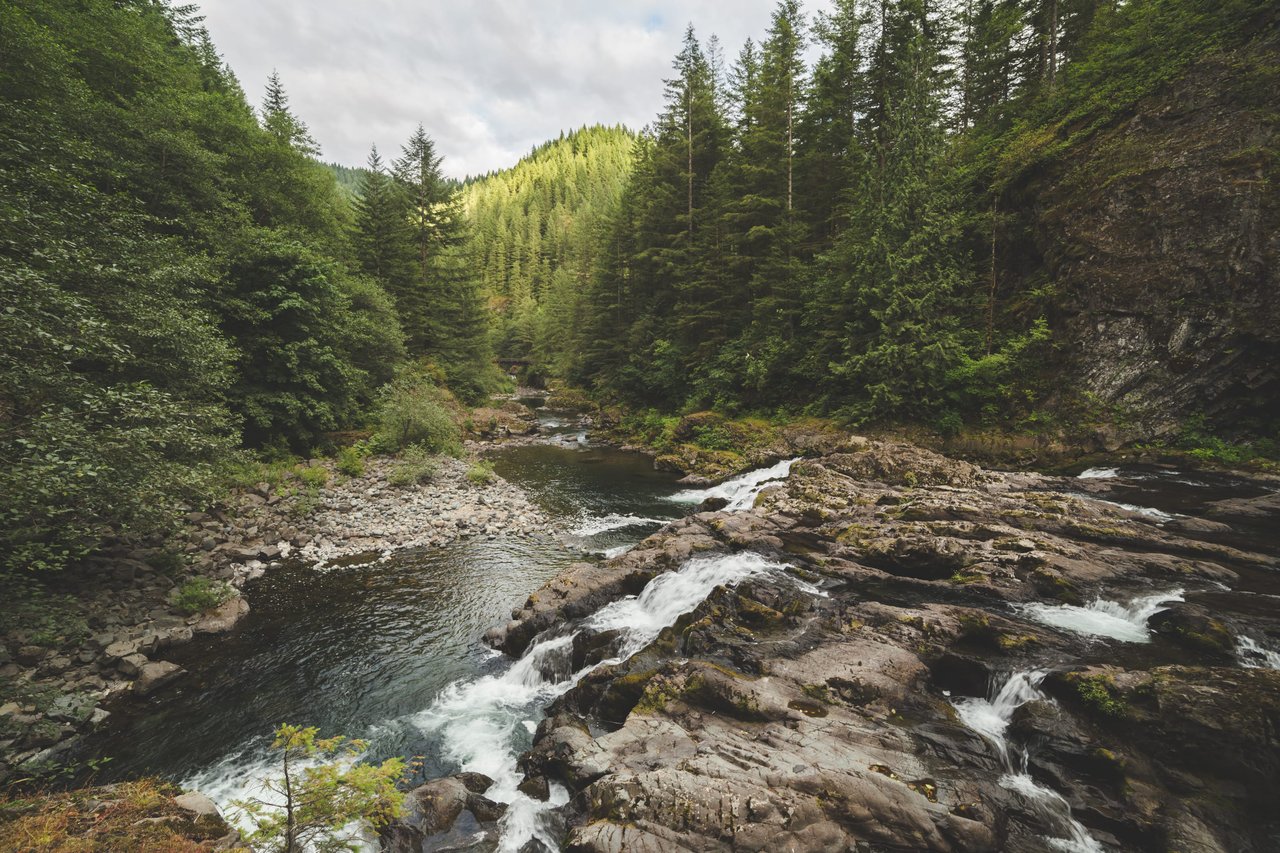
The Columbia River Gorge begins 20 miles east—world-class hiking at Multnomah Falls, Beacon Rock, and dozens of other trails. Mt. St. Helens (50 miles) and Mt. Hood (60 miles) offer backcountry hiking, skiing, and mountaineering. The Pacific Coast beaches sit 90 minutes west.
10
Vancouver cultivates its own identity—distinct from Portland but connected to the broader Pacific Northwest ethos of environmental awareness, casual authenticity, and community engagement.
The culture here is unpretentious. Fleece and hiking boots are acceptable everywhere. Conversations about trail conditions and camping spots happen naturally. There's genuine community pride without the self-consciousness of larger cities.
The Vancouver Farmers Market (March–October) anchors Saturday mornings downtown, bringing local produce, crafts, and food vendors. The Fourth of July fireworks display over Fort Vancouver is the region's largest, drawing over 40,000 spectators. The Clark County Fair brings agricultural heritage to life each August.
The Vancouver Symphony Orchestra performs at Skyview Concert Hall. Magenta Theater produces professional regional theater. First Friday Art Walks showcase local galleries and artists downtown. The Pearson Air Museum preserves aviation history at the nation's oldest operating airfield.
Environmental consciousness runs deep—recycling and composting are standard, electric vehicles are common, and outdoor stewardship is expected. There's a strong volunteer ethic, with active participation in neighborhood associations, trail maintenance, and community organizations.
Vancouver residents have complicated feelings about their larger neighbor. They enjoy Portland's amenities while appreciating Vancouver's lower costs and different character. The "Vantucky" nickname, once pejorative, has been partially reclaimed with ironic affection. Most residents see the cities as complementary rather than competitive.
11
School quality varies significantly across Vancouver's multiple districts, making boundary research essential for families with children.
| District | Enrollment | Notable Strengths |
|---|---|---|
| Vancouver Public Schools | ~22,000 | IB programs, arts magnet, diverse offerings |
| Evergreen Public Schools | ~24,000 | Career technical programs, varied demographics |
| Camas School District | ~7,500 | High test scores, strong academics, newer facilities |
| Ridgefield School District | ~3,500 | Small-town feel, community involvement, growing |
| Battle Ground Public Schools | ~14,000 | Rural character, outdoor education focus |
Camas High School consistently ranks among Washington's best public high schools. In Vancouver, Skyview High (Evergreen) and Fort Vancouver High's IB program draw families seeking academic rigor. Shahala Middle School and Sifton Elementary rate highly in the Evergreen district.
Columbia River High School offers the Vancouver iTech Preparatory program focused on STEM. Private options include St. Joseph Catholic School, Vancouver Christian School, and Cascadia Technical Academy. Several Montessori and alternative programs serve younger students.
Washington State University Vancouver offers four-year degrees on a growing campus. Clark College provides two-year programs and workforce training. Portland State University, University of Portland, and Lewis & Clark College are accessible across the river.
Quality preschool spots are competitive. Plan 6–12 months ahead for preferred programs. Head Start serves income-qualifying families. Vancouver Public Schools offers pre-K at select locations.
Research Tool: Washington State's School Report Card (reportcard.ospi.k12.wa.us) provides detailed performance data, demographics, and graduation rates for all public schools.
12
Vancouver's strategic position offers multiple commute options, though bridge congestion remains the defining transportation challenge.
I-5 runs north-south through the city, connecting Vancouver to Portland (south) and Seattle (north). I-205 provides an eastern bypass and second Columbia River crossing. Highway 14 runs east along the Columbia Gorge. Highway 500 serves as the primary east-west arterial through the city.
Only two Columbia River crossings serve the metro area: I-5 and I-205. Both experience significant congestion during rush hours. Typical commute time to downtown Portland runs 25–45 minutes depending on timing and traffic conditions. Reverse commuters (Portland to Vancouver) face similar challenges.
|
To Portland Downtown 25-45 min Via I-5, traffic dependent |
To PDX Airport 15-25 min Via I-205 |
To Seattle 2.5-3 hrs Via I-5 North |
To Coast 90 min To Long Beach/Astoria |
C-TRAN operates local bus service throughout Clark County. The Vine (Bus Rapid Transit) connects downtown Vancouver to the Vancouver Mall area. TriMet's MAX Yellow Line terminates at Expo Center in Portland—accessible via C-TRAN connections but not directly serving Vancouver. Amtrak stops at Vancouver Station with service to Portland, Seattle, and beyond.
The rise of remote work has made Vancouver increasingly attractive. Residents avoid bridge commutes while accessing Portland employers. This trend has shifted housing demand toward neighborhoods with home office space and reliable internet.
Cycling infrastructure continues to improve, though bike commuting to Portland requires crossing busy bridges. The Burnt Bridge Creek and Salmon Creek trails provide car-free corridors for local trips. Downtown Vancouver is increasingly walkable.
13
The appeal comes down to value, access, and quality of life—a combination increasingly rare in desirable West Coast locations.
Washington's lack of state income tax saves residents thousands annually compared to Oregon neighbors. For a household earning $150,000, that's roughly $13,000 in annual tax savings. This single factor drives significant relocation from Portland.
Median home prices run $50,000–$100,000 below comparable Portland neighborhoods. Your dollar buys more square footage, larger lots, and newer construction. The gap has narrowed in recent years but remains meaningful.
Mt. Hood and Mt. St. Helens frame the horizon. The Columbia River and Gorge sit minutes away. Lush forests and rivers weave through neighborhoods. You're 90 minutes from the ocean, 60 minutes from skiing, and 20 minutes from world-class hiking.
Portland's restaurants, concerts, museums, and employment centers remain easily accessible. But you return home to a more manageable city: easier parking, less traffic (once you're across the bridge), and a more relaxed pace.
Vancouver retains small-city character despite growth. Neighbors know each other. Local businesses matter. There's less anonymity and more connection than larger metros offer.
People don't just tolerate living in Vancouver—they choose it deliberately. It's not Portland's suburb; it's its own place with its own identity and genuine appeal.
14
Micro-locations matter. These areas command premium prices and rarely see extended market time.
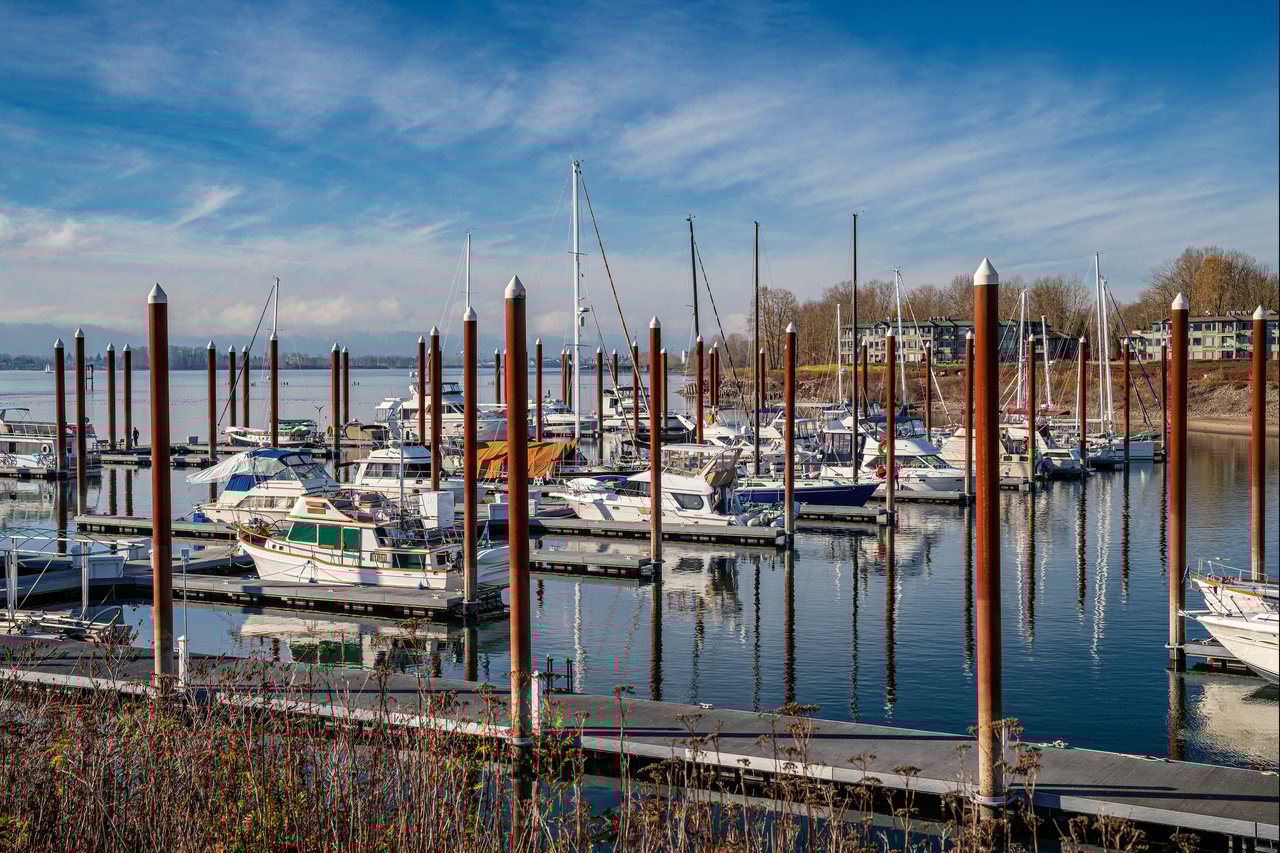
The Grant Street Pier area and Columbia Way corridor represent Vancouver's most desirable urban addresses. New construction condos and townhomes offer river views and walkable access to dining and entertainment. Prices range from $600K for condos to $1M+ for premium units.
Historic Officers Row features restored Victorian-era homes with unmatched character. Adjacent neighborhoods like Arnada and Hough benefit from proximity to Fort Vancouver's green space. Mature trees, established lots, and historic architecture command premiums.
Northwest Vancouver's premier family neighborhood. Large lots, top-rated schools (Salmon Creek Elementary), and proximity to parks make streets like NW 119th and NW Lakeshore highly sought. Homes here often sell above $700K with limited inventory.
Master-planned community with newer construction, walking trails, and convenient I-205 access. Streets near Lacamas Lake and the Fisher's Landing Transit Center are particularly desirable. Strong schools in Camas district add appeal.
Family-focused neighborhoods with access to Salmon Creek Greenway Trail. The area near WSU Vancouver offers academic-community appeal. NW 134th Street corridor and streets near Salmon Creek Park see consistent demand.
Eastern Clark County offers larger properties with rural character while maintaining reasonable commute access. Lacamas Lake area properties with water access or views command significant premiums, often exceeding $1M.
Buyer Note: In these premium areas, off-market and coming-soon listings often transact before reaching public MLS. A well-connected local agent provides access to inventory that never appears online.
15
If your income isn't tied to a physical Portland location, Vancouver's tax advantage is pure savings. You get metropolitan amenities, outdoor access, and keep an extra $10,000+ annually compared to Oregon residence.
More house for your money. Yards. Good school options (particularly in Camas district and parts of Evergreen). Family-oriented neighborhoods. Parks and trails accessible from home. This is where starter homes still exist in the metro area.
If you work in Portland and can tolerate the bridge commute, you'll pay less for housing while accessing the same employment market. Hybrid workers (2–3 days in office) get the best of both worlds.
The Gorge. The mountains. The rivers. The coast. All accessible from a base that doesn't require downtown Portland prices. If your weekend plans involve trails, water, or peaks, Vancouver positions you perfectly.
Lower cost of living stretches retirement savings. No state income tax on retirement withdrawals. Medical facilities are accessible. The pace is manageable. Climate is mild. Downsizing here preserves more equity than staying in expensive Portland neighborhoods.
If you need walkable urban density, look at Portland's inner neighborhoods. If nightlife and cultural scenes are priorities, Vancouver will feel quiet. If your career requires daily presence in downtown Portland, the commute may frustrate. If you're escaping rain, keep driving south.
Vancouver works for people who value practicality and quality over status and scene. It's for those who'd rather spend Sunday on a trail than in a brunch line, and keep the money they saved from income taxes.
Sources:
U.S. Census Bureau • Washington State Department of Revenue • Clark County Assessor • RMLS Portland • Redfin • Zillow • Washington OSPI • C-TRAN • City of Vancouver • National Park Service • GreatSchools.org
There's plenty to do around Vancouver, including shopping, dining, nightlife, parks, and more. Data provided by Walk Score and Yelp.
Explore popular things to do in the area, including Texaco #307339 Star Mart Texaco, Arnica Health Products & Flowers, and Coffee On the Corner.
| Name | Category | Distance | Reviews |
Ratings by
Yelp
|
|---|---|---|---|---|
| Dining · $$ | 0.34 miles | 2 reviews | 2.5/5 stars | |
| Dining | 0.5 miles | 0 reviews | 0/5 stars | |
| Dining | 0.54 miles | 0 reviews | 0/5 stars | |
| Dining | 0.58 miles | 0 reviews | 0/5 stars | |
| Dining | 0.59 miles | 0 reviews | 0/5 stars | |
| Dining | 0.59 miles | 0 reviews | 0/5 stars | |
| Dining | 0.81 miles | 0 reviews | 0/5 stars | |
| Dining | 0.83 miles | 0 reviews | 0/5 stars | |
| Dining | 0.85 miles | 0 reviews | 0/5 stars | |
| Shopping | 0.47 miles | 0 reviews | 0/5 stars | |
| Shopping | 0.48 miles | 0 reviews | 0/5 stars | |
| Shopping | 0.84 miles | 0 reviews | 0/5 stars | |
| Active | 0.91 miles | 1 review | 1/5 stars | |
| Beauty | 0.11 miles | 0 reviews | 0/5 stars | |
| Beauty | 0.5 miles | 0 reviews | 0/5 stars | |
| Beauty | 0.5 miles | 0 reviews | 0/5 stars | |
| Beauty | 0.54 miles | 0 reviews | 0/5 stars | |
| Beauty | 0.61 miles | 2 reviews | 5/5 stars | |
| Beauty | 0.63 miles | 0 reviews | 0/5 stars | |
| Beauty | 0.66 miles | 4 reviews | 3.3/5 stars | |
| Beauty | 0.8 miles | 0 reviews | 0/5 stars | |
| Beauty | 0.81 miles | 0 reviews | 0/5 stars | |
| Beauty | 0.84 miles | 0 reviews | 0/5 stars | |
| Beauty | 0.91 miles | 3 reviews | 3.7/5 stars | |
|
|
||||
|
|
||||
|
|
||||
|
|
||||
|
|
||||
|
|
Vancouver has 79,747 households, with an average household size of 2.39. Data provided by the U.S. Census Bureau. Here’s what the people living in Vancouver do for work — and how long it takes them to get there. Data provided by the U.S. Census Bureau. 192,696 people call Vancouver home. The population density is 3,953 and the largest age group is Data provided by the U.S. Census Bureau.
Total Population
Population Density Population Density This is the number of people per square mile in a neighborhood.
Median Age
Men vs Women
Population by Age Group
0-9 Years
10-17 Years
18-24 Years
25-64 Years
65-74 Years
75+ Years
Education Level
Total Households
Average Household Size
Average individual Income
Households with Children
With Children:
Without Children:
Marital Status
Blue vs White Collar Workers
Blue Collar:
White Collar: