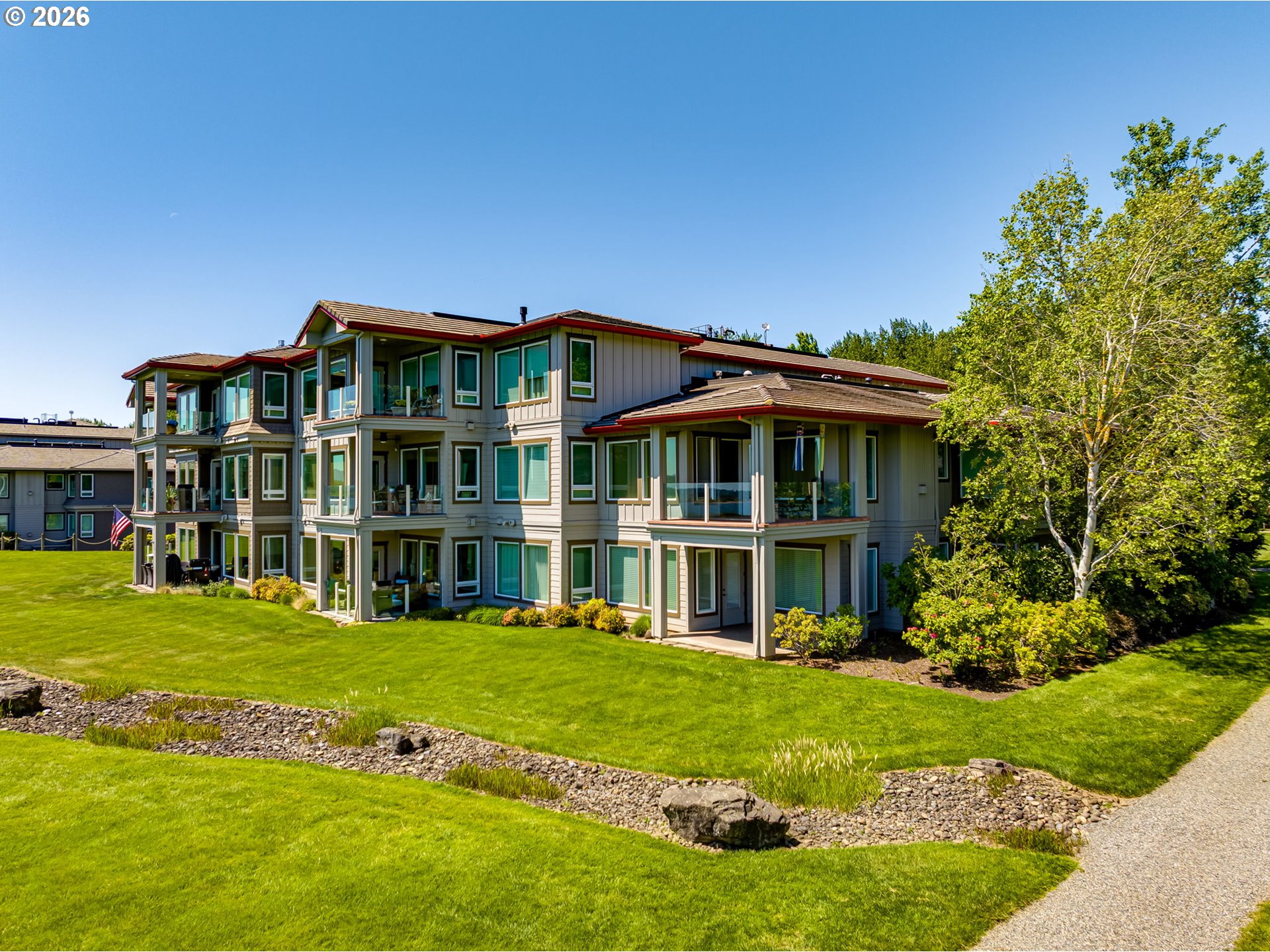
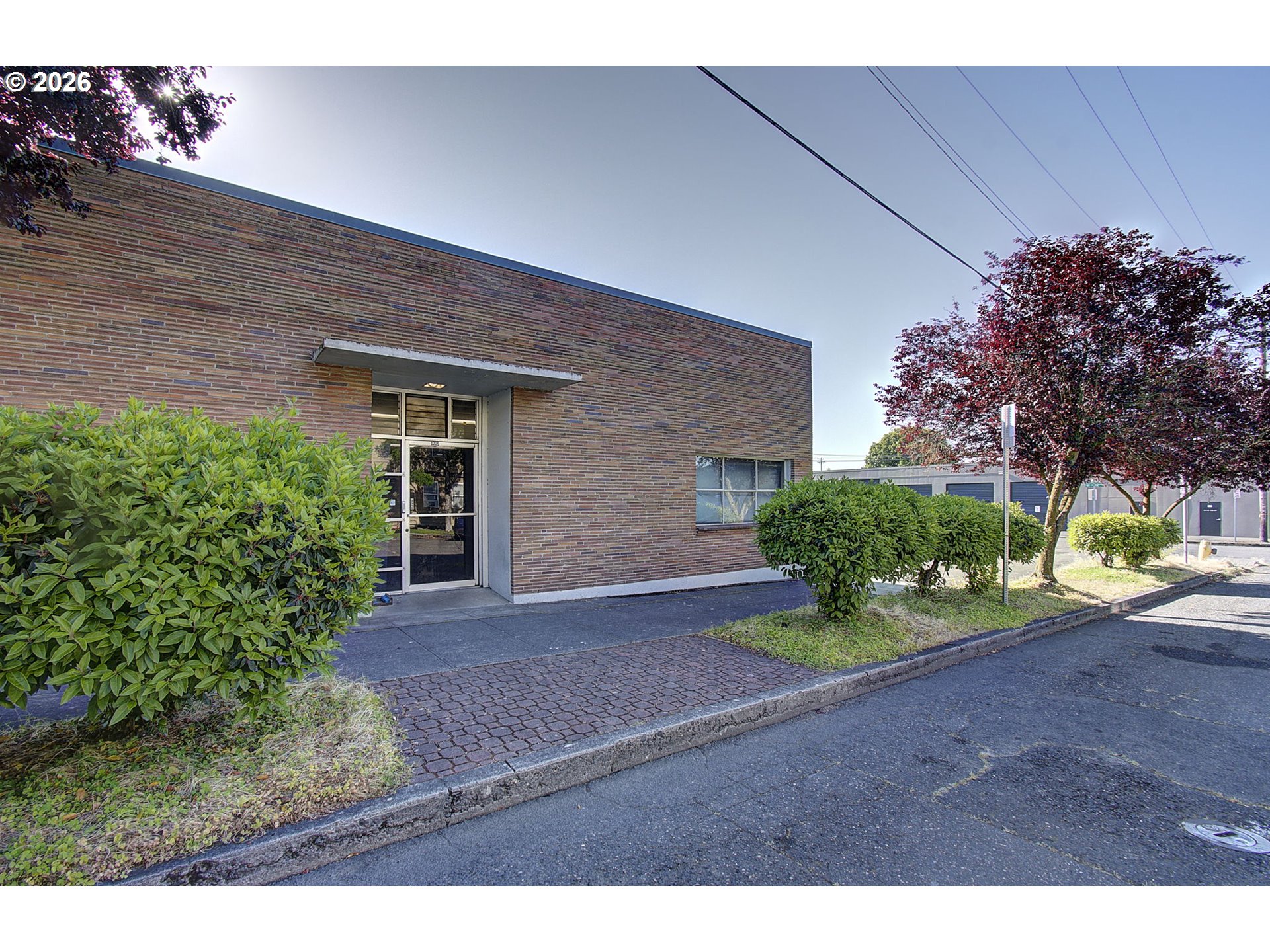
Based on information submitted to the MLS GRID as of . All data is obtained from various sources and may not have been verified by the broker or MLS GRID. Supplied Open House Information is subject to change without notice. All information should be independently reviewed and verified for accuracy. Properties may or may not be listed by the office/agent presenting the information.
55,407 people live in Vancouver Waterfront, where the median age is 42 and the average individual income is $56,712. Data provided by the U.S. Census Bureau.
Total Population
Median Age
Population Density Population Density This is the number of people per square mile in a neighborhood.
Average individual Income
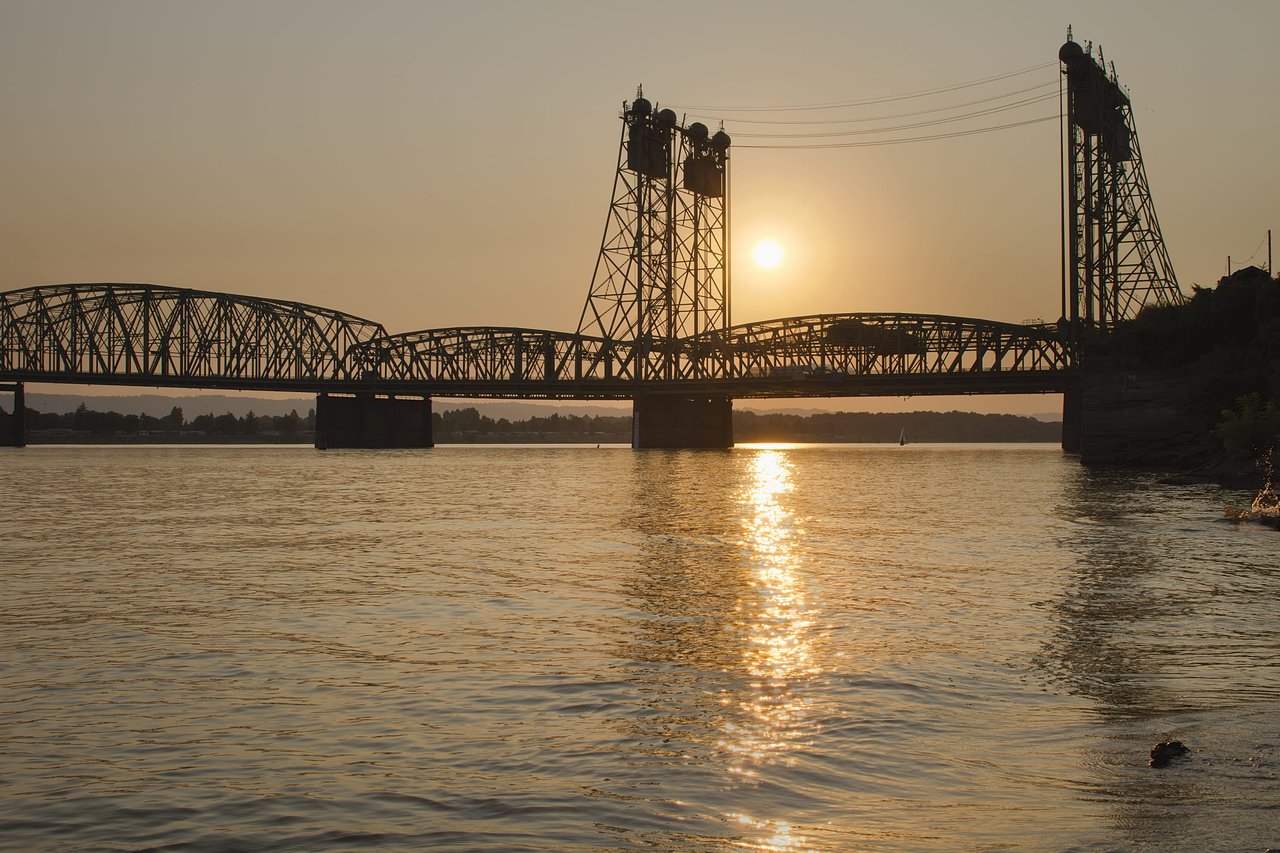
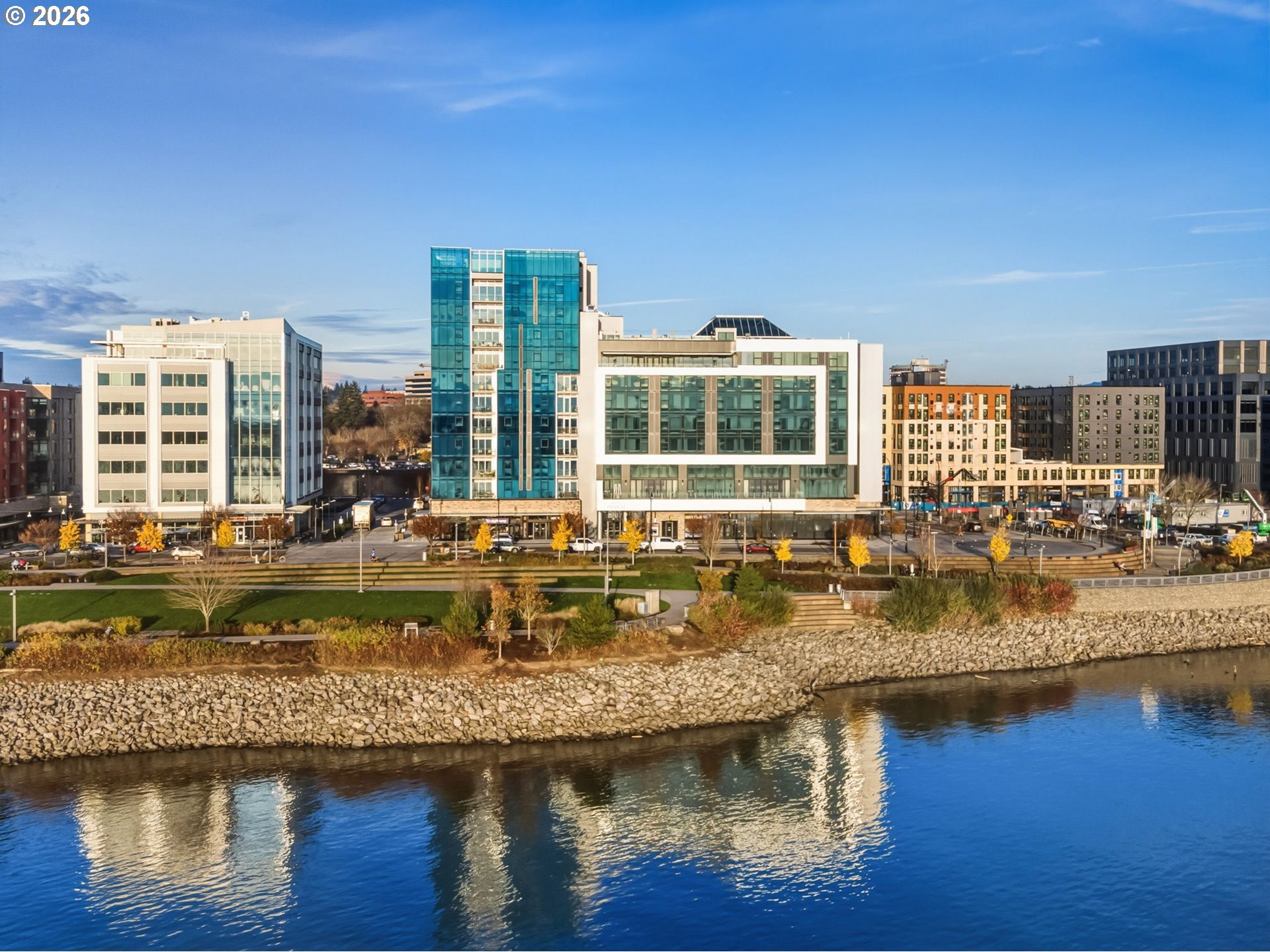
The Vancouver Waterfront is what happens when a city decides to rewrite its own story. For most of the last century, this stretch of the Columbia River shoreline was an industrial paper mill — closed off, working, and largely invisible to the people who lived a few blocks inland. Today it's a 35-acre master-planned district of luxury mid-rises, tasting rooms, riverfront dining, and manicured boardwalks, and it has become one of the most distinctive places to live in the entire Pacific Northwest.
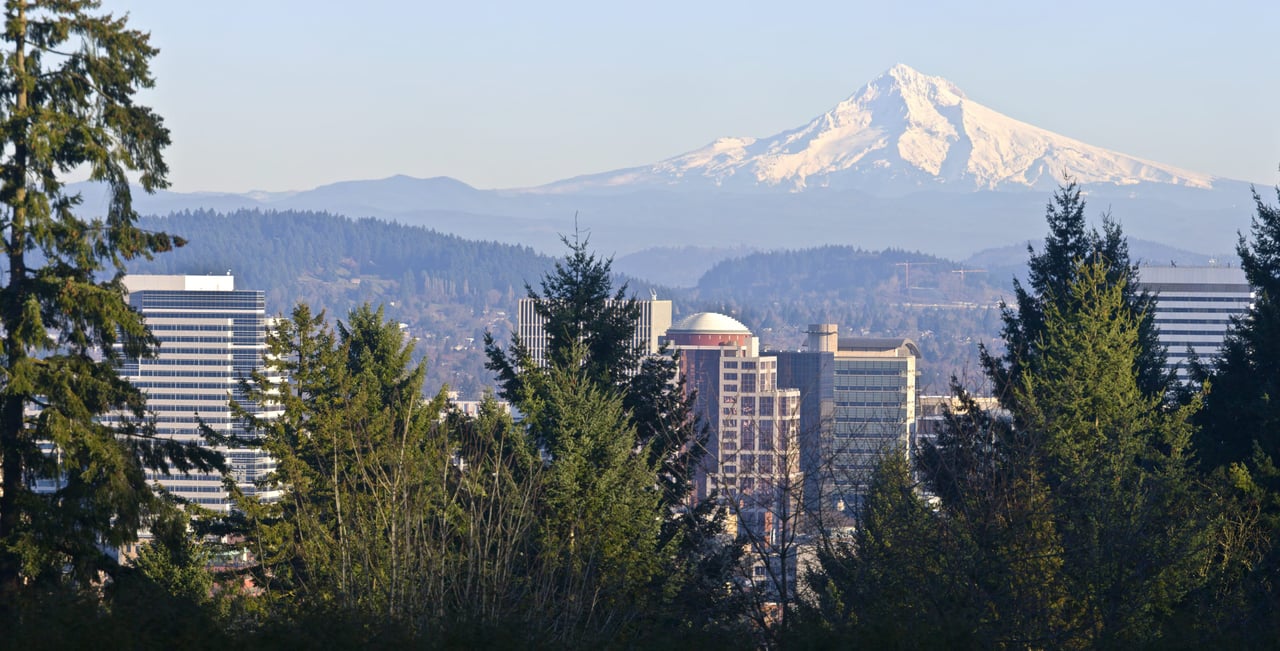
What makes it unusual is that it doesn't behave like the rest of Vancouver. This is not a neighborhood of yards, cul-de-sacs, and single-family homes. It's a dense, vertical, resort-style enclave built from scratch over roughly the last decade, and it attracts a specific kind of resident: affluent empty-nesters downsizing from larger suburban estates, out-of-state transplants drawn by Washington's tax structure, and hybrid tech professionals who want walkability, views, and a car-optional lifestyle close to nature. If you're picturing who lives here, picture someone who values a morning jog along the river, a glass of Columbia Valley wine within walking distance, and a home with floor-to-ceiling glass framing Mt. Hood.
The Waterfront market runs on premium pricing, strong out-of-state demand, and structurally low inventory — a combination that sets it apart from both suburban Clark County and downtown Portland.
While the broader Clark County region sits in a fairly balanced position, listings at the true Waterfront are notoriously scarce. There are only a handful of mid- and high-rise buildings, and because many owners treat these residences as generational or lifestyle-luxury purchases rather than stepping stones, turnover stays low. Homes that do come to market move at a measured but steady pace, and well-priced units still sell near asking without lingering.
Demand is heavily insulated by migration. A steady stream of buyers from Seattle and California come here to capture Washington's lack of a state income tax while sidestepping Seattle's higher price grid. The frenzied, 20-offer bidding wars of the post-COVID boom have cooled, but competition for the right unit is quietly fierce.
On price, the Waterfront commands some of the highest price-per-square-foot figures in all of Southwest Washington:
New construction here looks nothing like a typical suburban subdivision. Instead of master-planned streets of single-family homes, the Waterfront's new-build inventory is almost entirely vertical — mid-rises and mixed-use luxury towers rising along the riverbank.
That structural reality changes who's building. The national track builders you'd expect elsewhere in Clark County — the D.R. Hortons and Lennars of the world — are replaced here by premier commercial developers and boutique luxury firms equipped to handle high-rise construction on the river's edge. Gramor Development is the master visionary behind the overarching 21-block plan, while Kirkland Development is responsible for marquee projects like Kirkland Tower. Smaller boutique infill builders occasionally handle higher-density townhome developments on the fringes of the downtown core.
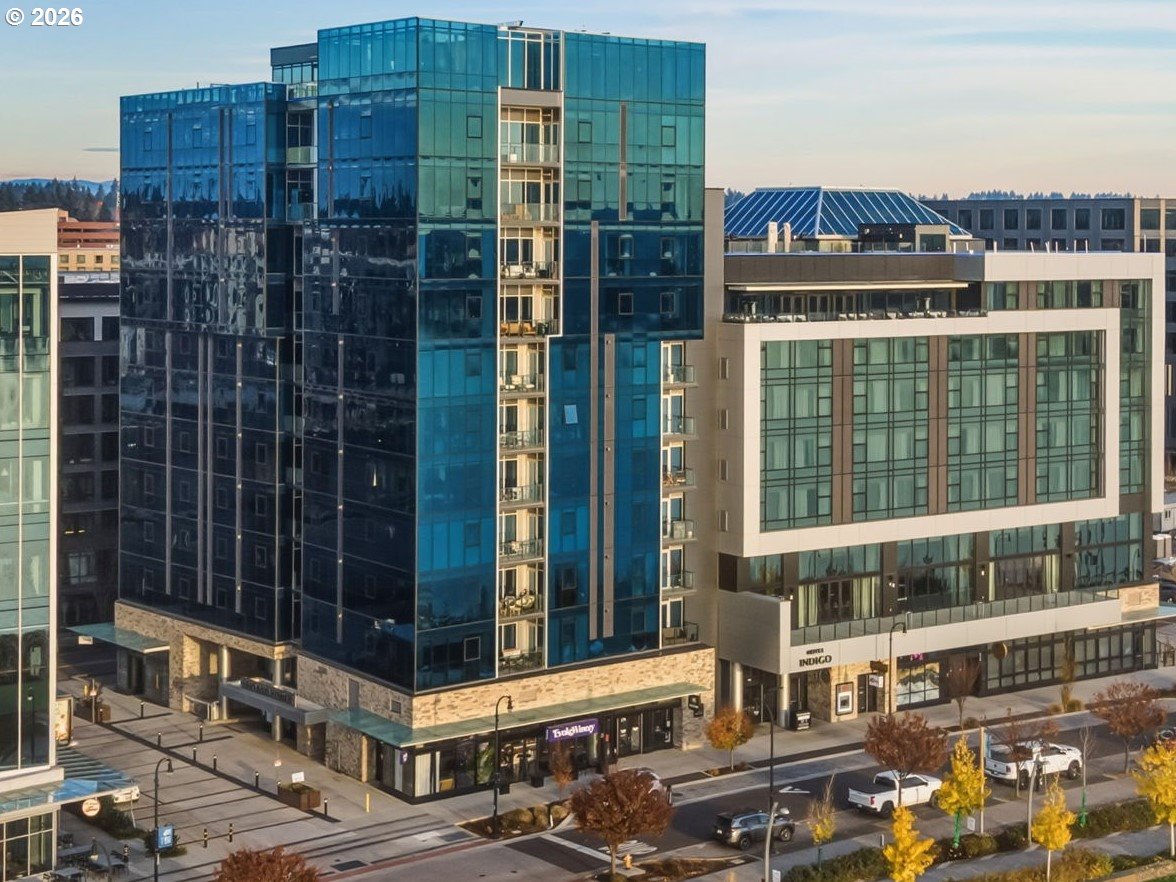
A couple of developments define what the district represents. Kirkland Tower is the benchmark for ultra-luxury living, with 40 move-in-ready residences that sit alongside — and share services with — the adjacent Hotel Indigo, giving residents access to private concierge service, valet, a sky lounge, and high-end Miele and Cambria finishes. Nearby, the city-led Waterfront Gateway and Terminal 1 expansion is adding more than 400 multifamily units, including a dedicated affordable-housing component, and is expected to anchor the district's continued growth through 2027.
For buyers, the through-line is turnkey luxury. What your dollar buys at this level is floor-to-ceiling glass, expansive view decks overlooking the Columbia and Mt. Hood, serious sound-deadening engineering, and direct elevator access. It's worth budgeting for premium HOA dues as well — often $600 to $1,200+ per month — which cover building maintenance, round-the-clock security, secure parking, and the shared amenities that come with this kind of address.
Buying on the Waterfront requires a different playbook than buying a single-family home further inland, because the mechanics of the market are genuinely different.
The competitiveness here is quiet but real. You won't often see lines of buyers wrapped around the block, yet demand is deeply insulated by affluent, out-of-state buyers — retirees, tech professionals, and downsizers leaving high-income-tax states like California and neighboring Oregon. Because supply is capped at a small number of buildings, well-priced units with unobstructed river views sometimes sell within days, and occasionally trade off-market through agent networks before ever hitting the public MLS. Having representation that hears about those units early is a tangible advantage.
Most of what you'll be considering falls into two property types. Luxury condominiums are the dominant archetype — mid- and high-rise flats with floor-to-ceiling glass, concrete-and-steel soundproofing, and premium shared amenities. Modern townhomes, located a few blocks off the front row near the downtown and Esther Short border, offer a multi-level footprint and private attached garages, though they usually trade unobstructed river views for urban proximity.
The contingencies also skew condo-specific, and one in particular deserves attention. In Washington, condo buyers have a statutory right to review the HOA resale certificate — the single most important contingency in this market. It opens a five-day window to scrutinize the association's financial health, any outstanding litigation, reserve study accounts, and upcoming special assessments. On financing, cash is common and frequently wins, but if you're borrowing, understand that underwriting a high-end condo means approving both you and the building; lenders examine the ratio of investor-owned to owner-occupied units before funding. And the inspection contingency focuses less on roofs and foundations and more on interior mechanicals — HVAC heat pumps, window seals, and balcony structural integrity.
Selling here means treating your home more like a piece of high-end art than a standard listing, and the strategy reflects that.
Pricing is the first place sellers go wrong. You cannot price a Waterfront home with radius-based valuation software. A condo five blocks north in downtown Vancouver might match yours in square footage yet command a meaningfully lower price per foot. Accurate pricing has to isolate the variables that actually drive value here: the view corridor (unobstructed Columbia and Mt. Hood views carry a clear, substantial premium over units facing the city or another building), floor height (value climbs as you ascend), and finishing packages (upgrades like Wolf/Miele appliances or motorized custom drapery move the needle in this bracket).
Presentation expectations are equally specific. This buyer wants to step into a lifestyle, not a floor plan. Empty units and homes crowded with heavy traditional furniture tend to stall. Staging should lean into upscale minimalism — low-profile, modern pieces that maximize light and keep the window lines clear. Media is non-negotiable: professional daytime photography, twilight sessions to capture the river lights, and 3D virtual walkthroughs, since a large share of your buyer pool will evaluate the home remotely from another state before ever flying in.
Finally, sellers should recalibrate their expectations on speed. A suburban Clark County house might sell in under three weeks; luxury Waterfront properties routinely take 45 to 90+ days to find the right buyer. That slower pace isn't a red flag — it's simply how higher price brackets work, because it takes time for a very specific, high-net-worth buyer to cycle through the market.
Pricing on the Waterfront calls for a different psychological framework than pricing a single-family home, and it's worth spelling out why the usual tools fail here.
Automated estimates from portals like Zillow and Redfin tend to be unreliable in this micro-market because they pull from the broader downtown core and nearby suburban ZIP codes, which dilutes the Waterfront's hyper-premium values. To price accurately, throw out the radius search and evaluate three non-negotiable pillars of vertical luxury:
The vertical premium comes first. In high-rise living, identical floor plans do not carry identical prices — value generally rises with each floor, driven by quieter acoustics and wider view corridors. The view corridor grid is where pricing turns genuinely psychological: a direct, unobstructed view of the Columbia and Mt. Hood commands a major premium over an identical unit facing downtown or an adjacent parking structure, so your strategy has to pin down exactly what's visible through the glass. And the amenities and finishes matter as much as the unit itself, because buyers at this level are pricing the building's prestige too — comping a residence in Kirkland Tower means adjusting for its concierge and hotel-adjacent services against older or more standard mid-rise buildings nearby.
Since a large share of Waterfront residents move here from out of state, it helps to understand the geography, the financial perks, and the day-to-day rhythm before you arrive.
The headline financial dynamic is what you might call Pacific Northwest tax arbitrage. Washington has no state personal income tax, which instantly boosts take-home purchasing power for high earners relocating from California or from just across the river in Oregon, where the progressive income tax runs high. Oregon, meanwhile, has no sales tax, while Washington's hovers around 8.5%. The local move that residents figure out quickly: earn your income tax-free under Washington law, then make big retail purchases on a 10-minute drive across the Interstate Bridge into Portland, where there's no sales tax.
Logistically, the location is a quiet luxury. Portland International Airport (PDX) is a straightforward 15-minute drive via SR-14 and I-205 — a genuine convenience for frequent travelers and hybrid workers. You also won't need a car for daily life; the Waterfront Renaissance Trail runs five paved miles connecting the district to downtown's historic Esther Short Park, grocery outposts, and a dense cluster of tasting rooms and bistros.
One honest note for anyone coming from a sun-belt state: expect standard Pacific Northwest weather. Summers are mild and gorgeous, in the high 70s and 80s, followed by a long, gray, misty season from roughly October through April. The upside is that the boardwalk is engineered with excellent drainage, and the community stays genuinely active year-round, with fire pits and heated patios keeping the area vibrant through the rainy months.
The Waterfront was deliberately engineered to reduce car dependency, and the numbers back that up. Downtown Vancouver and the immediate Waterfront carry a Walk Score of 95 — a "Walker's Paradise" where daily errands rarely require a vehicle — and a Bike Score of 92, supported by dedicated bike lanes and flat terrain. The five-mile Waterfront Renaissance Trail ties the neighborhood to parks, beaches, and downtown, and cyclists can cross into Portland on the Interstate Bridge's pedestrian and bike path.
For commuters, the Waterfront sits right against the I-5 corridor, making it the most frictionless launchpad in Clark County for cross-river trips. Downtown Portland is about 9 miles south — roughly 15 minutes in clear traffic, though the I-5 bridge bottlenecks during peak hours (7–9 AM and 4–6:30 PM) and can stretch that to 30+ minutes. PDX is about 15 minutes via SR-14 and I-205, which bypasses the bridge entirely. And for those who'd rather skip the drive, C-TRAN runs express commuter lines (the 105 and 105X) from downtown Vancouver straight into downtown Portland, using bus-on-shoulder lanes to slip past freeway gridlock.
For families, the Waterfront offers a mix of neighborhood public schools, competitive public magnet options, and premier private alternatives on both sides of the river.
The district is Vancouver Public Schools (VPS). The traditional neighborhood track for this zone runs through Harney Elementary, Discovery Middle School, and Fort Vancouver High School. Because the assigned schools vary in performance, high-intent families frequently turn to VPS's Programs of Choice, which let students apply to specialized magnet schools across the district regardless of home address.
Two of those magnet programs stand out and rank among the strongest public options in the state. Vancouver iTech Preparatory (grades 6–12), located on the WSU Vancouver campus, focuses on a rigorous STEM curriculum with early college-prep engineering and computer science tracks, and holds an A- rating on Niche. Vancouver School of Arts and Academics (VSAA) (grades 6–12) serves students moving toward visual, literary, or performing arts alongside core academics, also earns an A- on Niche, and posts exceptionally high graduation rates.
On the private side, families often look across the state line in both directions. Within Clark County, King's Way Christian Schools (PK–12) and Seton Catholic High School are strong options, while the 15-minute reverse commute into Portland opens the door to top-tier independent schools like St. Mary's Academy and Northwest Academy.
Outdoor life here is built directly into the neighborhood grid — you step out of a secure lobby onto manicured green space rather than driving to a trailhead. The centerpiece is Vancouver Waterfront Park, a 7.3-acre linear park along the Columbia with open lawns, urban beaches, and the striking Grant Street Pier, a cable-stayed structure suspended 90 feet over the water. The Waterfront Renaissance Trail runs five flat, paved miles from the district down to Marine Park, serving as the go-to corridor for morning runs and evening strolls. And two blocks inland, the historic five-acre Esther Short Park hosts the Vancouver Farmers Market, summer concerts, and community festivals — giving residents a riverfront park and a classic civic square within a short walk of each other.
The food and nightlife scene functions as a lifestyle signal for the whole region. Over the past decade the Waterfront has quietly become Southwest Washington's premier wine-tasting destination, with the ground floors of the luxury mid-rises hosting a remarkable concentration of regional tasting rooms — Maryhill Winery, Airfield Estates, and Valo Cellars among them — so residents can enjoy Willamette and Columbia Valley wines without leaving the block. Dining leans into the geography with floor-to-ceiling glass and large heated patios over the river, anchored by Pacific Northwest staples like WildFin American Grill, Twigs Bistro, and The El Gaucho Steakhouse inside Kirkland Tower. The overall vibe skews toward relaxed sophistication rather than high-energy nightlife — think rooftop cocktails, fire pits, and late-evening walks, well suited to professionals, empty-nesters, and luxury buyers who want a social scene that's vibrant but refined.
Retail here is curated around boutique lifestyle and convenience rather than big-box strip malls. The ground floors of the mid-rise towers hold a rotating mix of independent shops — artisanal chocolatiers, local jewelers, upscale clothing boutiques, and design storefronts. For a broader selection, downtown Vancouver and Uptown Village are less than a half-mile inland, packed with vintage lifestyle shops, home decor stores, and independent bookstores. From March through October, the Vancouver Farmers Market at Esther Short Park becomes the neighborhood's primary shopping event, with more than 250 vendors selling regional produce, local meats, baked goods, and handcrafted art. Everyday essentials — full-size grocery stores, pharmacies, hardware — sit a 5-to-10-minute drive into central Vancouver, and Portland's tax-free retail districts are just 15 minutes across the river.
The personality of the Waterfront is vibrant, design-forward, and resort-like — high-density urban sophistication softened by the laid-back, outdoorsy spirit of the Pacific Northwest. It's premium without the stuffy formality of older luxury enclaves; residents value the architecture, concierge services, and precise engineering, but the social energy stays welcoming, casual, and community-centered. Life here is shaped by the river, with a near-constant stream of joggers, dog walkers, and friends meeting for an outdoor happy hour, so it feels less like a downtown and more like a waterfront resort where the scenery sets the pace. Because the entire district was built from the ground up over the last decade, it reads as clean, polished, and safe — bypassing the gritty edge of older industrial cores in favor of an orderly, highly manicured slice of urban living centered on leisure, views, and relaxation.
The Vancouver Waterfront is a market that rewards local knowledge — from reading a resale certificate correctly to understanding why a fourth-floor unit and a fourteenth-floor unit with the same floor plan carry very different values. That's where having the right advisor matters. David Merrick is a Certified Luxury Home Marketing Specialist and dual-licensed broker in Oregon and Washington with Cascade Hasson | Sotheby's International Realty, based right here in Vancouver at 900 Washington Street, Suite 150. With more than nine years of experience across the Southwest Washington and Portland Metro markets — and a background in corporate sales, buying, and management — David brings a relationship-driven, strategy-first approach to luxury listings, relocations, and first-time purchases alike, backed by the global Sotheby's network. Whether you're weighing a move to the Waterfront from out of state or preparing to sell a river-view residence, he's a genuine resource for thinking it through. You can reach David directly at (360) 947-1625 or [email protected] to start the conversation whenever you're ready.
There's plenty to do around Vancouver Waterfront, including shopping, dining, nightlife, parks, and more. Data provided by Walk Score and Yelp.
Explore popular things to do in the area, including KC's Coffee, Darla's Deli, and EDGE Youth Basketball.
| Name | Category | Distance | Reviews |
Ratings by
Yelp
|
|---|---|---|---|---|
| Dining | 0.25 miles | 0 reviews | 0/5 stars | |
| Dining | 1.43 miles | 1 review | 1/5 stars | |
| Active | 0.48 miles | 0 reviews | 0/5 stars | |
| Beauty | 0.24 miles | 0 reviews | 0/5 stars | |
| Beauty | 0.26 miles | 0 reviews | 0/5 stars | |
| Beauty | 0.34 miles | 26 reviews | 3.7/5 stars | |
| Beauty | 1 miles | 0 reviews | 0/5 stars | |
| Beauty | 1.13 miles | 13 reviews | 4.4/5 stars | |
| Beauty | 1.4 miles | 0 reviews | 0/5 stars | |
|
|
||||
|
|
||||
|
|
||||
|
|
||||
|
|
||||
|
|
Vancouver Waterfront has 24,454 households, with an average household size of 2. Data provided by the U.S. Census Bureau. Here’s what the people living in Vancouver Waterfront do for work — and how long it takes them to get there. Data provided by the U.S. Census Bureau. 55,407 people call Vancouver Waterfront home. The population density is 6,164 and the largest age group is Data provided by the U.S. Census Bureau.
Total Population
Population Density Population Density This is the number of people per square mile in a neighborhood.
Median Age
Men vs Women
Population by Age Group
0-9 Years
10-17 Years
18-24 Years
25-64 Years
65-74 Years
75+ Years
Education Level
Total Households
Average Household Size
Average individual Income
Households with Children
With Children:
Without Children:
Marital Status
Blue vs White Collar Workers
Blue Collar:
White Collar: