By David Merrick
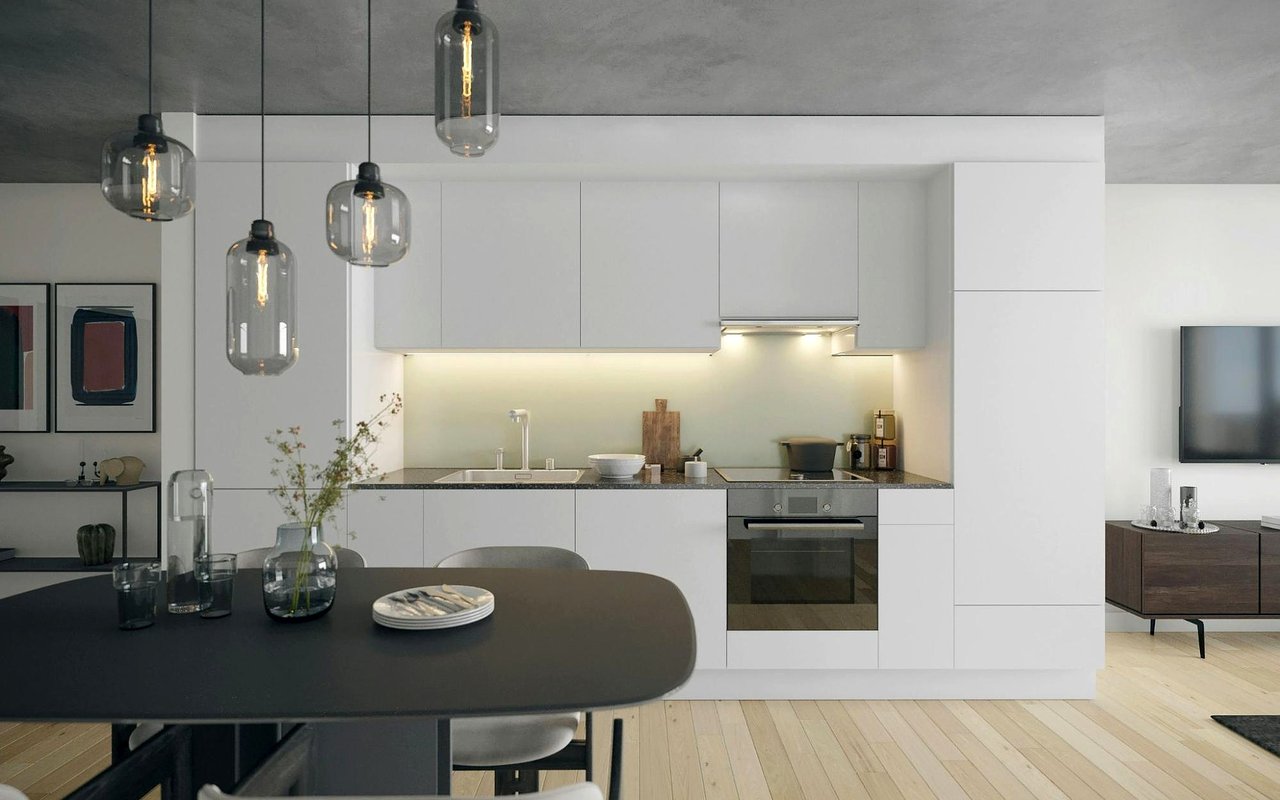
Whether you’re living in a compact craftsman in Portland or a cozy condo in downtown Vancouver, making the most of your square footage matters. I’ve walked through hundreds of homes across the Portland Metro, and I’ve seen firsthand how smart design choices can completely transform how a space feels and functions. If you’re working with limited room, these strategies for small spaces can help you create a home that lives larger, without knocking down walls or blowing your budget.
Key Takeaways
-
Use off-white paint and satin finishes to reflect light in cloudy seasons.
-
Swap bulky sectionals for armless chairs and wall-mounted shelves in tight living areas.
-
Add furniture with hidden storage, like platform beds and entry benches with cubbies.
-
Use vertical garden walls and floating nightstands to clear floor space.
-
Place mirrors opposite windows or glass doors to double the perceived depth of a room.
-
Define open layouts with rugs and light fixtures to create zones without dividing walls.
1. Light Colors, Natural Light, and Reflective Surfaces
The right palette can dramatically change how a space feels.
Why This Works in the PNW
-
Paint walls in soft tones like “Alabaster” or “Sea Salt” to reflect light and counter overcast days common in the Portland-Vancouver area.
-
Use white tile or quartz for kitchen backsplashes and bathroom counters to bounce natural and artificial light.
-
Install mirrors opposite sliding glass doors or larger windows to double the brightness in smaller rooms.
-
Avoid heavy drapes; use sheer panels or roller shades to let in maximum daylight without sacrificing privacy.
2. Choose Double-Duty Furniture
Multifunctional pieces do more with less.
Great Picks for Small Spaces
-
Use a queen-sized platform bed with deep drawers for linens and seasonal storage, especially useful in older Vancouver homes with minimal closet space.
-
Choose a drop-leaf dining table with built-in wine racks or shelving for condos or townhomes with limited kitchen storage.
-
Swap coffee tables for upholstered storage ottomans, giving you a spot to stash board games, throw blankets, or pet toys.
-
Pick a daybed with built-in drawers or trundle functionality for guest rooms that double as home offices.
3. Use Vertical Space Like a Pro
When you can't spread out, go up.
Smart Vertical Storage Ideas
-
Add a wall-mounted spice rack and magnetic knife strip in tight kitchens, freeing up drawer and counter space.
-
Install stacked open shelving units above the toilet or washer/dryer, where wall space is often underused.
-
Hang ceiling-mounted pot racks or plant holders to draw the eye up and keep surfaces uncluttered.
-
Use behind-the-door organizers in pantries and closets, perfect for storing cleaning supplies, shoes, or extra toiletries.
4. Rethink Layout for Better Flow
Sometimes, it’s not the size; it’s the setup.
Layout Tweaks That Make a Big Difference
-
Pull sofas 6–10 inches off the wall and angle accent chairs to create natural walkways in narrow living rooms.
-
Use a 5x7 or 6x9 rug to anchor the living area in an open floor plan, helping visually separate it from the kitchen or dining zone.
-
Replace clunky armoires with slim-profile wardrobes or built-in shelving, especially in homes with low ceilings.
-
Move dressers into closets (if space allows) to free up bedroom square footage.
5. Use Glass, Mirrors, and Raised Furniture
These are design elements that create the illusion of space.
Optical Tricks That Work
-
Choose a glass dining table and acrylic bar stools to keep sightlines open in galley-style kitchens.
-
Mount a full-length mirror behind the entry door or in a hallway alcove to reflect light and add depth.
-
Opt for mid-century pieces with tall, tapered legs, which expose more floor and make rooms feel less cramped.
-
Use mirrored nightstands or dressers in small bedrooms, adding both reflection and functionality.
6. Add Character Without Adding Clutter
Design can be expressive without feeling crowded.
Small-Space Style That Reflects the PNW
-
Create a reclaimed wood feature wall using narrow planks or peel-and-stick panels, perfect for entryways or powder rooms.
-
Install a vertical herb garden or wall-mounted planter system near a kitchen window, adding greenery without floor space.
-
Hang 2–3 framed local art prints in a tight row above a sofa or bed, keeping visual interest clean and focused.
-
Use a single statement light fixture (like a rattan pendant or matte black chandelier) instead of bulky decor pieces.
FAQs
How can I make my small living room feel bigger?
Use armless chairs, glass tables, and raised-leg furniture. Anchor the space with a rug, limit clutter, and keep walls and large furniture in light tones.
Are there furniture stores in Portland or Vancouver that specialize in small spaces?
Yes, City Home in Portland has locally made, compact pieces, while Divine Consign in Vancouver offers high-quality resale furniture perfect for creative layouts and smaller homes.
What’s the best lighting for small interiors?
Layer ceiling lights with wall sconces or slim-profile floor lamps. Choose daylight-balanced LED bulbs and avoid large, shaded fixtures that trap light.
Contact Me Today
Small homes have big potential, with the right design mindset. Whether you’re prepping to sell, renovating a new purchase, or just want your space to feel more functional, I can help you spot what works (and what doesn’t). I’ve helped clients all over Vancouver and Portland create beautiful, livable homes, regardless of square footage.
Ready to learn more? Reach out to me, David Merrick, and let’s talk about how to make your space feel bigger, smarter, and more tailored to your lifestyle. A great home starts with design that works.
Ready to learn more? Reach out to me, David Merrick, and let’s talk about how to make your space feel bigger, smarter, and more tailored to your lifestyle. A great home starts with design that works.