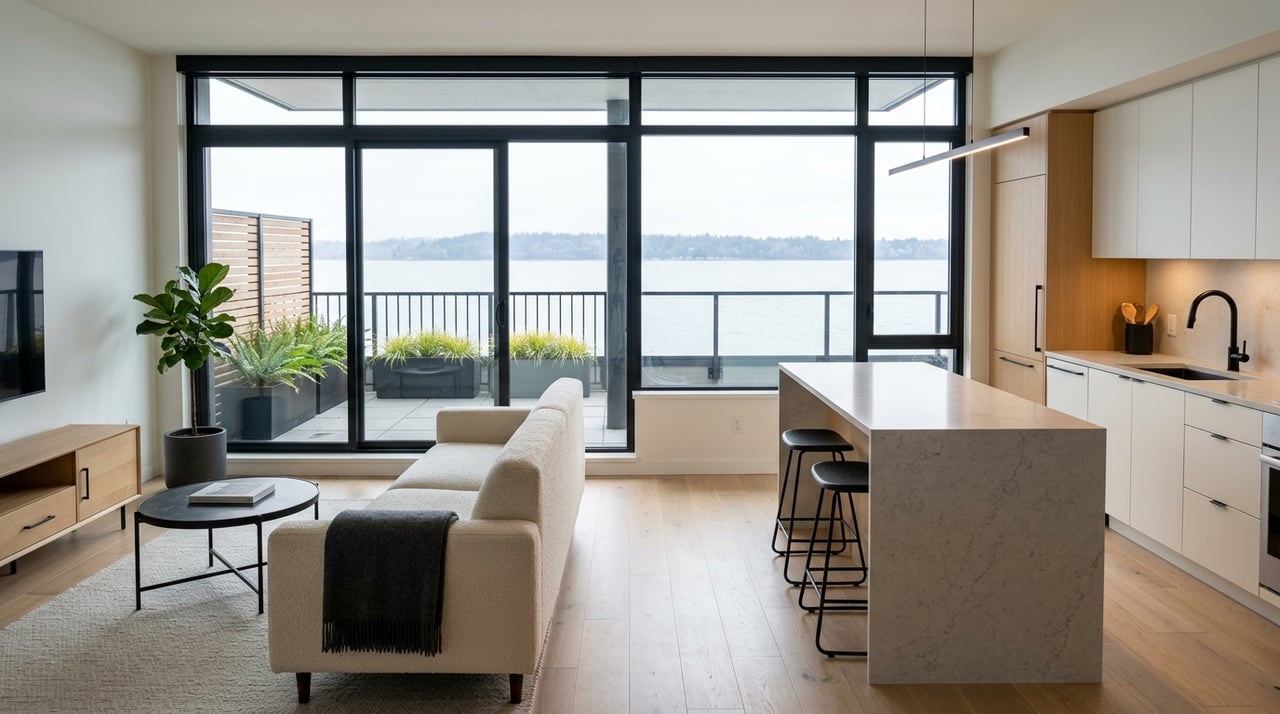
Buying a condo at Vancouver Waterfront can feel exciting and a little tricky at the same time. The setting is easy to love, but the condo market here is still limited, which means the details matter even more. If you want a clear picture of what to expect, what to compare, and what to verify before you write an offer, this guide will help you make a smarter decision. Let’s dive in.
Why Vancouver Waterfront Stands Out
Vancouver Waterfront is not a fully built-out condo neighborhood yet. It is a phased mixed-use district along the Columbia River that reconnects roughly 35 acres to downtown Vancouver, with a master plan describing a 32-acre, 20-block project that includes housing, office space, and retail and restaurant space.
That bigger vision matters when you shop here. You are not just choosing a condo unit. You are also buying into a district that is still evolving, with future phases that may shape the overall experience over time.
The lifestyle appeal is a major draw. Vancouver Waterfront Park spans 7.3 acres and includes paved trails, open lawn space, viewpoints, river access, and the Grant Street Pier, giving the area a strong everyday-use appeal for buyers who want walkable riverfront surroundings.
What Condo Inventory Looks Like Today
One of the most important things to understand is that waterfront condo options are still scarce. The residential mix in the district is currently dominated by apartments, with more than 1,500 apartments open or under construction.
At this point, the official condo offering identified as completed is Kirkland Tower, which delivered 40 condos. More condos are anticipated, but no specific delivery dates are available based on the current information.
That limited supply can influence both your timing and your expectations. If you are waiting for a large menu of waterfront condo listings, you may not find it here yet.
What Type of Buyer Fits Best
The waterfront tends to fit buyers who want a newer, amenity-rich, lock-and-leave lifestyle. This is often less about finding the lowest condo price and more about choosing a specific building experience, daily convenience, and access to the riverfront setting.
That can make the area appealing if you are relocating, downsizing, buying a second home, or simply looking for a more streamlined way to live. If your priorities include services, modern finishes, and a polished building environment, the waterfront may deserve a close look.
If your top goal is the widest possible selection or the lowest entry price, you may want to compare it with the broader Vancouver or Portland condo market. Inventory depth is still much greater outside the waterfront district.
What to Evaluate Inside the Building
When you tour a waterfront condo, it helps to look beyond the model-unit feeling. Building features, monthly costs, and unit-specific rights can have a major effect on both your day-to-day life and future resale.
At Kirkland Tower, amenities include concierge service, valet parking, a rooftop terrace, chef’s catering kitchen, residents’ lounge, fitness studio, bike storage, pet washing station, underground parking, private storage, and adjacent hotel services, dining, and retail. In a building like this, the right question is not just how much the HOA costs. It is what that HOA actually includes.
HOA Value Matters More Than HOA Size
A higher monthly HOA payment is not automatically a red flag. In a full-service building, dues may support services and features that materially change your living experience.
What matters is whether the monthly cost aligns with the value you expect to use. Ask for a clear breakdown of what is covered, what is optional, and whether any major cost changes are anticipated.
Parking Should Be Verified in Writing
Parking is one of the most important waterfront condo details to confirm. The Waterfront Vancouver Parking Center has 829 spaces, including 83 EV charging spaces, along with covered and secured options, but that does not mean every condo comes with the same parking rights.
You should verify exactly what is attached to the unit you are buying. Confirm whether parking is deeded, assigned, leased, shared, or subject to separate rules.
Storage Can Affect Daily Livability
Private storage is easy to overlook during a showing, but it can make a big difference once you move in. If you plan to store bikes, seasonal items, luggage, or outdoor gear, ask how storage is documented and whether it transfers with the unit.
Small details like this can become big quality-of-life issues later. They can also affect how appealing the condo is to a future buyer.
Views Are a Major Selling Point, But Ask Smart Questions
Many residences at the waterfront feature floor-to-ceiling windows, private terraces, and views of the Columbia River, city, or Mount Hood. Those features are a large part of the appeal and often help justify premium pricing.
Still, it is important to treat long-term view permanence carefully. Because the district master plan includes blocks that are still under construction or planned for future development, a great current view should not be treated as a guaranteed permanent one unless the legal and physical facts clearly support that conclusion.
If a view is central to your decision, ask what future development may occur nearby and how the unit is positioned within the broader plan. A beautiful view today is valuable, but understanding the surrounding context is just as important.
Presale Condos Need Extra Patience
If you are considering a future waterfront condo release, be careful not to assume that early interest guarantees a specific result. The waterfront condo site states that unit allocations, floor plans, and view orientation are finalized later, and that a letter of interest is not a reservation.
That matters if you have your heart set on a certain stack, floor, or direction of exposure. In a presale setting, clarity often comes later than buyers expect.
A strong strategy is to stay flexible and keep your must-haves in order of priority. That way, you can move confidently when real details become available.
HOA and Legal Due Diligence in Washington
Condo due diligence is especially important in Washington. State law requires condominium associations to prepare and update reserve studies, including annual updates and a full site-inspected update by a reserve study professional at least every third year unless an exemption applies.
That reserve study matters because it helps you understand how prepared the association is for future repair and replacement costs. A building with weak reserves may face added financial pressure later.
Review the Resale Certificate Carefully
Before closing, a resale certificate must be delivered to the buyer. Under Washington law, that certificate must disclose key items such as current assessments, delinquent balances, special assessments, reserve-study status, financial statements, budgets, unpaid association obligations, litigation, insurance, use restrictions, recent meeting minutes, and warranty claims.
If there is no current reserve study, the certificate must warn buyers that insufficient reserves can lead to special assessments. That is one reason condo buyers should treat this document as a major part of the decision, not just a closing formality.
Read the Rules Before You Rely on the Lifestyle
Washington law also makes clear that governing documents can restrict alterations, rentals, signs, and behavior. If you are counting on a certain use pattern, such as renting the unit out later or making interior changes, review the CC&Rs, bylaws, rules, and meeting minutes before you assume anything.
This step protects you from surprises after closing. It also helps you judge whether the building is a practical fit for how you plan to live.
How the Waterfront Compares With Other Condo Options
A waterfront condo is not the same product as a typical condo elsewhere in the market. If you are still deciding where to focus, it helps to compare the waterfront with both downtown Vancouver and Portland.
Downtown Vancouver Comparison
Downtown Vancouver is the most direct local comparison. In the city’s 2025 Downtown Vancouver Redevelopment Assessment, downtown’s median sale price was listed at $402,556, compared with $508,064 citywide and $555,174 across the Portland-Vancouver-Hillsboro metro.
The report notes that downtown’s lower figure may partly reflect smaller unit sizes. That means a lower median price does not automatically mean better value. You still need to compare location, building type, unit size, amenities, and parking.
Portland Comparison
If your goal is search depth, Portland currently offers a much larger condo pool. Redfin shows 144 condos for sale in Vancouver with a median listing price of $327K, compared with 941 condos for sale in Portland at a median listing price of $340K.
That does not mean Portland is the better fit for every buyer. It simply means you may see more choices there if you want to compare styles, price points, and building types before deciding.
Cross-River Tax Differences
For many cross-river buyers, taxes are part of the conversation. Washington has no individual or corporate income tax, while Oregon taxes personal income for residents and Oregon-source income for nonresidents and part-year residents.
That structural difference is one reason some buyers give Vancouver a serious look. If you are moving across the river, this can be part of your broader financial planning.
A Smart Waterfront Condo Checklist
If you are serious about buying at Vancouver Waterfront, focus on the questions most likely to affect livability and resale:
- What exactly is included in the HOA dues?
- How are parking rights documented?
- Is storage included, and how is it assigned or transferred?
- How healthy are the association reserves?
- Are there any current or possible special assessments?
- What do the governing documents say about rentals or use restrictions?
- Could future phases affect the unit’s view corridor?
- Is this building experience worth the premium compared with other condo options?
These questions help you evaluate more than just the finishes. They help you assess the full ownership experience.
Final Thoughts on Buying Here
Buying a condo at Vancouver Waterfront can be a strong move if you value newer construction, riverfront access, building amenities, and a more polished lock-and-leave lifestyle. The opportunity is real, but so is the need for careful review, especially around HOA strength, parking, storage, and future development context.
Because inventory is still limited, each decision carries extra weight. A smart purchase here is usually the result of clear priorities, disciplined due diligence, and a realistic understanding of what is built today versus what may change later.
If you want help comparing waterfront condos with other Vancouver or Portland options, or you need a strategic guide for a cross-river move, David Merrick Real Estate can help you evaluate the details with clarity and confidence.
FAQs
What condos are currently available at Vancouver Waterfront?
- The waterfront district is still condo-limited. The completed condo tower identified on the official condo page is Kirkland Tower, which delivered 40 condos, while more condo offerings are anticipated but not yet dated.
What should you verify before buying a Vancouver Waterfront condo?
- You should verify what the HOA dues include, how parking and storage are documented, the strength of reserves, any special assessments, the governing documents, and whether future development could affect views.
How important are HOA documents for a Vancouver Waterfront condo purchase?
- They are very important because Washington law requires disclosures through a resale certificate, and those documents can reveal assessments, reserve-study status, budgets, insurance, litigation, restrictions, and other issues that affect ownership.
Are Vancouver Waterfront condo views guaranteed to stay the same?
- Not necessarily. Because the district is still being developed in phases, current views may be affected by future construction, so buyers should not assume view permanence without careful verification.
How does Vancouver Waterfront compare with downtown Vancouver condos?
- Waterfront condos tend to offer a more specific riverfront, amenity-driven experience, while downtown Vancouver may provide different price points and unit types. The city’s redevelopment assessment reported a downtown median sale price of $402,556, though that may partly reflect smaller unit sizes.
Why do some Portland buyers consider Vancouver Waterfront condos?
- Some buyers are drawn by the waterfront lifestyle, newer building experience, and Washington’s lack of individual income tax, especially when comparing cross-river living options.