By David Merrick
Historic homes in Vancouver and Portland carry something new construction cannot replicate, from the craftsmanship of a Craftsman bungalow in Irvington to the original fir floors of a Victorian in Ladd's Addition. Updating one well is both an art and a practical challenge. Here is how to modernize a historic home without erasing what made you want it in the first place.
Key Takeaways
- Mechanical system upgrades are the highest-priority modern updates in any historic home and can be done without touching character-defining features
- Kitchen and bathroom modernization in historic homes is most successful when it respects the home's proportions and material palette rather than imposing a style from a different era
- Homes in Portland's local historic districts or Vancouver's Washington Historic Register neighborhoods may require city approval for exterior changes
- Energy efficiency improvements, including insulation and window upgrades, can be made in ways that are invisible from the street and compatible with preservation requirements
Start With the Systems, Not the Surfaces
The most important modern updates in any historic home are the ones you cannot see. Knob-and-tube wiring, galvanized plumbing, and gravity-fed heating systems are common in homes built before World War II, and they protect the home's occupants and long-term value far more than any cosmetic renovation.
In Portland neighborhoods like Laurelhurst and the Alphabet District, and in Vancouver's Hough and Arnada, these systems are often at or past their functional lifespan in homes from the 1910s through 1940s. Getting them right first means every subsequent renovation happens on a solid, code-compliant foundation.
In Portland neighborhoods like Laurelhurst and the Alphabet District, and in Vancouver's Hough and Arnada, these systems are often at or past their functional lifespan in homes from the 1910s through 1940s. Getting them right first means every subsequent renovation happens on a solid, code-compliant foundation.
Mechanical Upgrades That Every Historic Home Owner Should Prioritize
- Electrical panel replacement and rewiring to modern gauge where knob-and-tube or aluminum wiring is present
- Plumbing line replacement where galvanized steel pipes have narrowed through corrosion
- HVAC installation using mini-split systems or carefully routed forced air that avoids damaging original plaster ceilings and wall surfaces during the installation process
- Insulation added to attic spaces and exterior wall cavities through minimally invasive methods
Kitchen and Bathroom Updates That Respect the Home
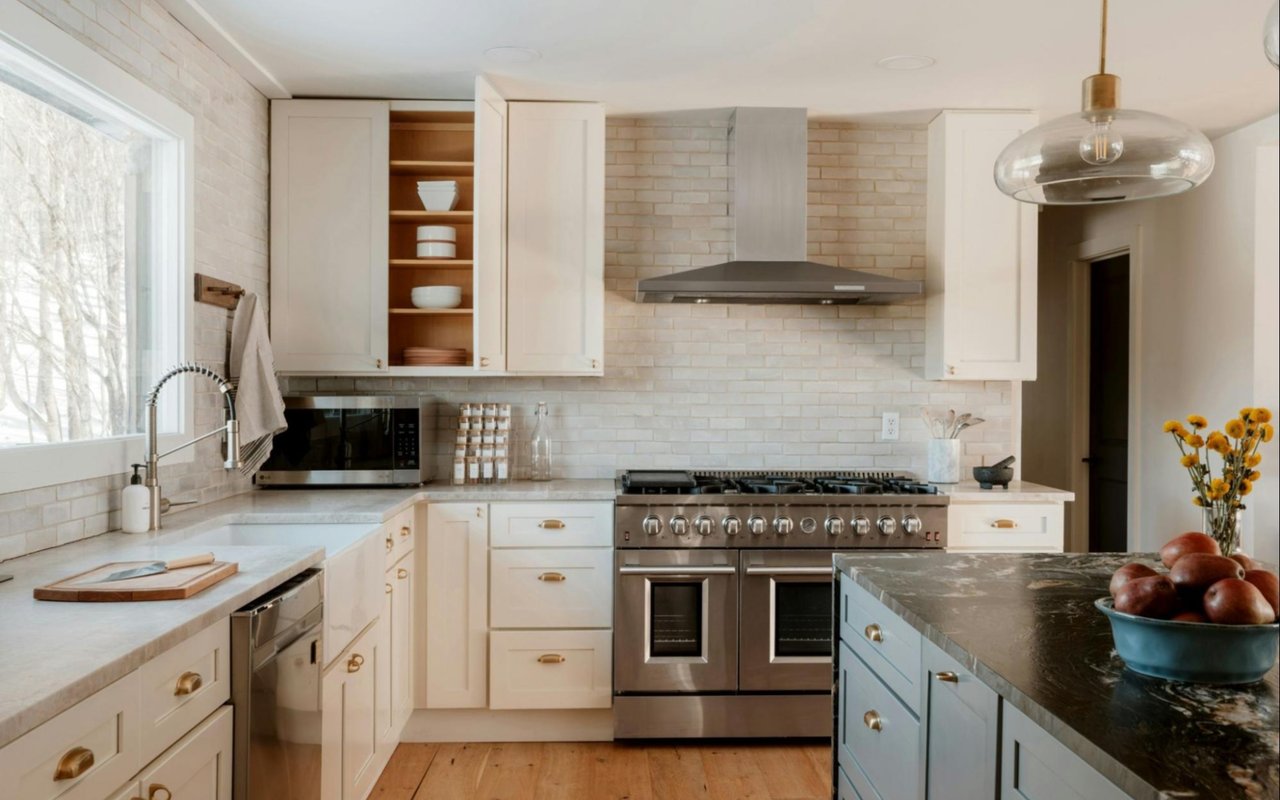
Kitchens and bathrooms are where the tension is most acute. The most successful updates in Portland and Vancouver historic homes respect the home's scale and material language. Subway tile and marble countertops feel appropriate in a 1920s bungalow kitchen; floating cabinetry and waterfall quartz do not.
For bathrooms, retaining the original layout wherever the plumbing permits avoids the proportional disruption that comes from moving fixtures in a tight Victorian or Craftsman bathroom. Updating tile, fixtures, and lighting within the original footprint delivers most of the functional improvement.
For bathrooms, retaining the original layout wherever the plumbing permits avoids the proportional disruption that comes from moving fixtures in a tight Victorian or Craftsman bathroom. Updating tile, fixtures, and lighting within the original footprint delivers most of the functional improvement.
Approach to Kitchen and Bath Updates in Historic Portland and Vancouver Homes
- Cabinet selection that matches the home's period rather than importing a contemporary style that conflicts with the architecture
- Countertop materials that align with the home's era: marble, butcher block, and soapstone feel more at home in a 1920s kitchen than engineered quartz
- Fixture and hardware in period-appropriate finishes, such as unlacquered brass, oil-rubbed bronze, and polished nickel
- Lighting updates that use period-style fixtures to add modern brightness while maintaining visual character
Navigating Historic District Requirements in Portland and Vancouver
Portland's locally designated historic districts require city approval through the Bureau of Development Services for exterior changes including siding, windows, roofing, and visible additions. The review process is manageable when planned around, but it adds time and sometimes requires materials more expensive than standard alternatives.
In Vancouver, properties in Washington Historic Register neighborhoods like Arnada and Hough operate under similar principles. Knowing your property's exact designation before beginning any project determines what approvals are needed and what financing tools may apply.
In Vancouver, properties in Washington Historic Register neighborhoods like Arnada and Hough operate under similar principles. Knowing your property's exact designation before beginning any project determines what approvals are needed and what financing tools may apply.
Steps to Take Before Starting Any Exterior Work on a Historic Home
- Confirm your property's exact historic designation through Portland's Bureau of Development Services or Clark County's permitting office before finalizing any exterior scope
- Consult a contractor experienced in historic renovation who knows which materials and methods the local review board has approved in similar projects in your neighborhood
- Submit exterior change applications well in advance, since Portland's historic design review can take several months for projects requiring full design review
- For interior-only work, confirm with your jurisdiction whether the planned scope triggers any exterior review, since some jurisdictions extend review to changes visible through windows
Energy Efficiency Without Compromising Character
One of the most common concerns from owners of historic homes in Portland and Vancouver is that energy efficiency improvements require replacing original windows, and with them the divided lights and wavy glass that define the home's character. In most cases, this trade-off is not necessary. Interior storm windows and weatherstripping dramatically improve thermal performance without touching the exterior.
Attic insulation, air sealing, and basement rim joist insulation typically deliver better returns than window replacement in pre-war homes, and none require any visible exterior change.
Attic insulation, air sealing, and basement rim joist insulation typically deliver better returns than window replacement in pre-war homes, and none require any visible exterior change.
Energy Improvements Compatible With Historic Preservation
- Interior storm window inserts installed inside original window frames
- Attic insulation brought to current code levels through blown-in installation
- Air sealing at attic bypasses, plumbing penetrations, and electrical boxes before adding insulation
- Weatherstripping replacement on all exterior doors and operable windows
FAQs
Do I need a permit to update the kitchen in a historic home in Portland?
For interior-only kitchen work, most updates do not require historic design review, though permits for electrical, plumbing, and structural work still apply.
What is the Washington Historic Register and does it affect what I can do to my Vancouver home?
The Washington Historic Register is the state-level list of historically significant properties. Register listing does not automatically restrict what you can do to your property the way a local historic district designation does, but it may affect financing options and, for income-producing properties, may qualify the owner for state and federal historic tax credits.
Is it worth buying a historic home in Portland or Vancouver that needs significant updates?
It depends on the scope, the purchase price, and your patience for the process. Historic homes in neighborhoods like Irvington, Laurelhurst, and Arnada hold their value because supply is fixed. The renovation process takes longer and costs more per square foot than new construction, but the result is character no new build can replicate.
Contact David Merrick Today
Historic homes in Vancouver and Portland are some of the most rewarding properties to own in the entire region, and navigating the purchase, renovation, and eventual sale of one takes an agent who understands what these homes are and what they require. I have worked with buyers and sellers of historic properties across the Portland metro and Southwest Washington for years, and I know how to help you make the most of what these homes offer.
Reach out to me, David Merrick, to start the conversation about historic homes in Vancouver or Portland.
Reach out to me, David Merrick, to start the conversation about historic homes in Vancouver or Portland.