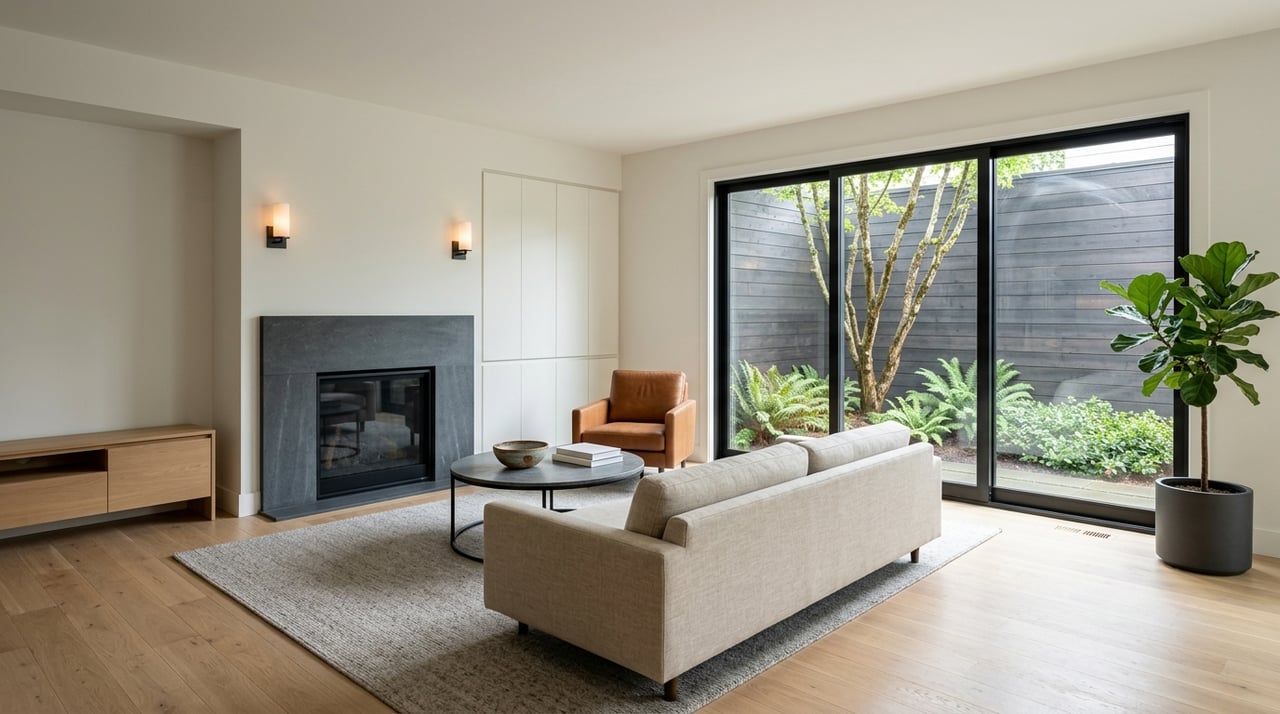
Selling your home in Vancouver can move quickly, but that does not mean you should rush the preparation. In a seller-leaning market, buyers still notice condition, cleanliness, and presentation right away. If you want to attract strong interest and reduce avoidable friction, the right prep work can make a real difference. Here is how to get your Vancouver home ready before it hits the market.
Why prep matters in Vancouver
Vancouver remains a competitive market, with recent reports describing it as seller-leaning and relatively fast-moving. Some market trackers show homes moving faster than others, but the bigger takeaway is consistent: buyers are active, and many homes still need to make a strong first impression.
That matters because early attention often shapes the rest of your sale. When your home looks well cared for from day one, buyers are more likely to engage seriously, schedule showings, and compare it favorably to other options.
Start with repairs first
Before you think about décor or photos, focus on anything that may cause hesitation. Buyers tend to react strongly to signs of deferred maintenance, especially when they suggest bigger costs ahead.
Give extra attention to these issues:
- Leaks
- Electrical problems
- HVAC concerns
- Roof wear
- Broken windows or doors
- Damaged flooring
- Visible water staining
In Vancouver, this step deserves special care because the local climate brings regular rain. NOAA climate normals for Vancouver Pearson Airport show about 37.47 inches of annual precipitation, so it is smart to check for moisture-related issues that may stand out during showings.
Check rain-related exterior details
A clean, dry-looking exterior can go a long way in Southwest Washington. Even if your home has no major moisture problems, buyers may notice signs of weather exposure more quickly here than in a drier climate.
Before listing, consider an exterior pass that includes:
- Cleaning gutters and downspouts
- Washing siding
- Refreshing exterior caulk where needed
- Removing moss or algae
- Tidying drainage areas
- Cleaning up any visible water-related staining
These tasks are often simple, but they can improve how your home feels on arrival. They also help support the impression that the property has been maintained with care.
Prioritize updates buyers can see
If you are deciding where to spend money before listing, targeted improvements usually make more sense than major renovations. Regional cost-versus-value data for the Pacific region shows that highly visible exterior upgrades often perform better at resale than larger interior remodels.
The strongest resale performers in the 2025 report included:
- Garage door replacement
- Manufactured stone veneer
- Steel entry door replacement
- Fiber-cement siding replacement
By comparison, a minor kitchen remodel performed better than a major kitchen remodel, while a major midrange kitchen remodel recouped far less. The takeaway is simple: focus on updates that improve first impressions rather than starting an expensive full-scale renovation right before you sell.
Declutter before you decorate
Once repairs are handled, shift to presentation. Buyers need to see the space, not your storage challenges, collections, or extra furniture.
Start by removing items that make rooms feel crowded or too personal. Clear counters, simplify shelves, reduce excess furniture, and pack away anything that distracts from the size or function of the room.
This step also makes the next stages easier. Cleaning, staging, and photography all work better when the home already feels open and calm.
Stage the rooms that matter most
You do not always need to stage every room to make an impact. According to the National Association of Realtors 2025 Profile of Home Staging, staging helps buyers visualize a property as a future home, and some rooms matter more than others.
If your time or budget is limited, prioritize these spaces first:
- Living room
- Primary bedroom
- Dining room
Those are the rooms most commonly staged, and for good reason. They help set the emotional tone of the home and often carry the most visual weight in photos and showings.
Keep staging simple and polished
Good staging is not about making your home look trendy or overdone. It is about helping buyers understand the space and imagine how they might live in it.
Aim for a clean, balanced look with:
- Neutral bedding and towels
- Open walking paths
- Minimal countertop items
- Fresh lighting
- A few well-placed accessories
- Consistent cleanliness in every room
A polished look tends to read better both online and in person. That is especially important in a market where many buyers decide quickly which homes are worth seeing.
Schedule photos last
Professional photography should happen after the home is fully cleaned, decluttered, and staged. Staging resources from the National Association of Realtors support the idea that preparation helps create a stronger first impression, which carries directly into your listing photos.
If photos are taken too early, you may miss the full impact of your prep work. Since many buyers will first see your home online, it is worth waiting until everything is truly ready.
Get your Washington disclosures ready
Preparing your home for sale is not only about appearance. In Washington, seller paperwork is also an important part of the process.
Washington generally requires sellers of residential real property to deliver a completed seller disclosure statement based on their actual knowledge, unless a waiver or statutory exemption applies. State law also provides buyers with a three-business-day rescission period after delivery in many situations, unless the parties agree otherwise.
If you learn new information after completing the disclosure, Washington law requires you to amend it and deliver the update. This matters if you are making repairs close to your listing date or uncover something during pre-sale preparation.
Know the lead-based paint rule
If your home was built before 1978, there is one more key step. Federal lead-based paint rules require sellers to disclose known lead-based paint or hazards, provide the EPA pamphlet, and allow buyers a 10-day period for inspection or risk assessment unless the parties agree otherwise.
This is one reason it helps to organize your paperwork early. A smoother sale often starts with both the home and the documentation being ready before you launch.
Use a practical pre-listing checklist
If you want a simple way to stay on track, focus on this order:
- Fix major repair issues
- Address exterior and rain-related cleanup
- Declutter and depersonalize
- Deep clean the home
- Stage key rooms
- Complete required disclosures
- Schedule photos after everything is ready
This approach keeps you focused on the tasks most likely to affect buyer perception. It also helps prevent the common mistake of spending too much on the wrong improvements.
Selling in Vancouver is not just about listing your home. It is about launching it well. With smart repairs, clean presentation, and the right paperwork in place, you can put your home in a stronger position from the start.
If you are getting ready to sell in Vancouver or anywhere in Southwest Washington, David Merrick Real Estate can help you create a thoughtful plan for preparation, presentation, and market strategy.
FAQs
What repairs should you make before selling a home in Vancouver, WA?
- Start with leaks, electrical issues, HVAC problems, roof wear, broken windows or doors, damaged flooring, and visible water staining because these issues can create buyer hesitation.
Which home updates are most worth it before selling in Vancouver, WA?
- Research for the Pacific region suggests visible exterior improvements like garage doors, entry doors, stone veneer, and siding often offer stronger resale value than major interior remodels.
How much staging does a Vancouver, WA home really need?
- If you have a limited budget, focus first on the living room, primary bedroom, and dining room because those are the rooms most commonly staged and often most noticed by buyers.
Why does exterior prep matter for a Vancouver, WA listing?
- Vancouver’s rainy climate makes details like gutters, siding, caulk, moss, algae, and drainage more noticeable, so exterior cleanup can improve first impressions.
When should Washington sellers complete the seller disclosure statement?
- Washington sellers generally need to provide a completed disclosure statement based on actual knowledge unless an exemption or waiver applies, and they must update it if new information is learned later.
What if your Vancouver, WA home was built before 1978?
- You may need to follow federal lead-based paint disclosure rules, including disclosing known hazards, providing the EPA pamphlet, and allowing a 10-day inspection or risk-assessment period unless the parties agree otherwise.