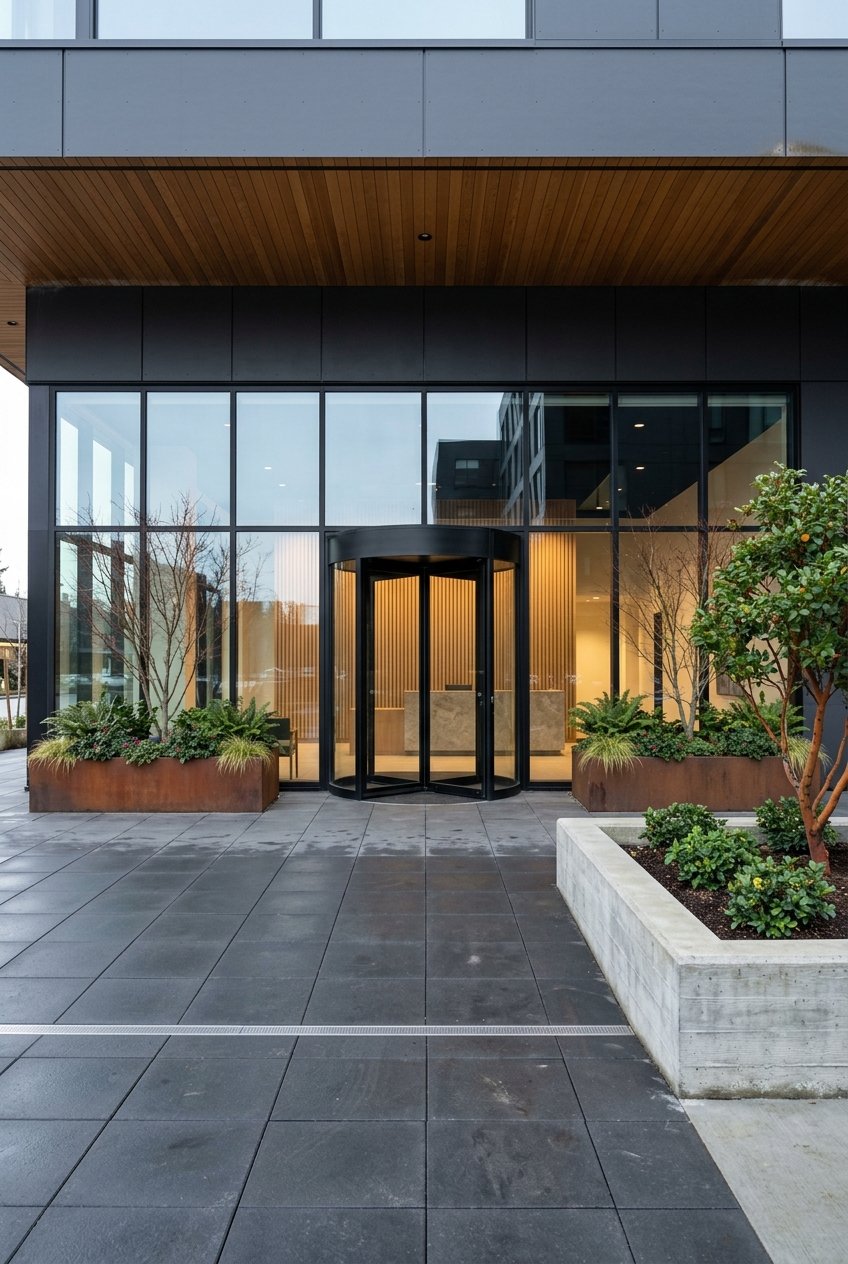
What if your next home put river views, walking paths, restaurants, and downtown access all within a few blocks? If you are considering a move to the Vancouver Waterfront, you are probably looking for more than just a place to live. You want a lifestyle that feels easy, connected, and current. This guide will help you understand what daily life is really like here, from housing and walkability to dining, parks, and practical details. Let’s dive in.
What Is the Vancouver Waterfront?
The Vancouver Waterfront is a 35-acre mixed-use redevelopment on the Columbia River, just south of downtown Vancouver. The City of Vancouver describes it as a project designed to reconnect former industrial waterfront land to the city core with jobs, restaurants, shops, housing, a hotel, and a public park.
That mix shapes the feel of the area. Instead of a traditional suburban neighborhood, the waterfront offers an urban riverfront setting built around shared outdoor space, newer residential buildings, and easy access to dining and recreation.
Housing at the Waterfront
If you picture low-maintenance living with newer finishes, that is the heart of the residential experience here. Official waterfront materials say the district is master planned for more than 3,300 riverfront residences, including condos, apartments, and senior living.
More than 1,500 apartments are already open or under construction. Current apartment communities listed by the waterfront include Rediviva, RiverWest, Broadstone Claro, Broadstone Riva, The Miller, and The Columbia. Condo inventory is anchored by Kirkland Towers, with more condos and senior housing anticipated.
What the homes feel like
The housing style leans strongly toward new construction and lock-and-leave convenience. Official condo descriptions highlight features such as full-height glass windows, high ceilings, usable outdoor decks, energy-efficient design, and a range of floor plans.
For many buyers, that means less time spent on exterior upkeep and more time enjoying the riverfront setting. If you want a detached home with a large yard, this district may not be the best match. If you prefer convenience, views, and shared amenities nearby, it can be a very appealing fit.
Waterfront Park and Outdoor Life
One of the biggest draws here is how easy it is to get outside. Waterfront Park is the district’s main gathering place, and the City of Vancouver says it includes 7.3 acres of accessible public space with paved paths, open lawns, benches, restrooms, viewpoints, and a water feature with cascading fountains and wading areas.
The park also includes the Grant Street Pier, one of the area’s most recognizable landmarks. The waterfront’s own materials describe it as a public art piece, which gives the district a stronger sense of place than a typical promenade or greenbelt.
Everyday uses of the park
This is not just a scenic spot you visit once in a while. The park is designed for everyday use, whether you want to take a walk, meet friends, sit by the river, or let kids enjoy the splash and sand play areas highlighted by local tourism sources.
Features commonly noted by city and tourism sources include:
- Accessible paved walking paths
- Open lawn space
- Benches and viewpoints
- Public restrooms
- Cascading fountains and wading areas
- The Headwaters Wall splash feature
- An urban beach area for sand play
That kind of public space adds a lot to daily life, especially if you value being able to step outside and immediately have somewhere pleasant to go.
Walkability and Trails
The Vancouver Waterfront is one of the more walkable lifestyle districts in the area. A big reason is the Columbia River Renaissance Trail, a paved 5-mile route that begins at Esther Short Park in downtown Vancouver and follows the waterfront to Wintler Park.
The city describes the trail and waterfront paths as walkable, bikeable, and ADA-accessible. They are suitable for walking, jogging, biking, rollerblading, strollers, and wheelchairs, which makes the area flexible for a wide range of routines.
How connected it feels
The trail link to downtown matters. Waterfront Park connects directly to Esther Short Park and the downtown core, so your day-to-day map expands beyond the riverfront itself.
C-TRAN also notes that if you are staying in downtown Vancouver or at the Waterfront, there are plenty of destinations within walking or rolling distance. In practical terms, that means the waterfront often feels like part of a larger connected district rather than a stand-alone enclave.
Dining and Social Life
If you enjoy being able to walk to dinner or meet friends without planning a full outing, this area stands out. Visit Vancouver describes the waterfront as a mix of restaurants, breweries, wine tasting rooms, and casual spots with river views.
Examples named in tourism and district materials include WildFin American Grill, Ruse Brewing, The Waterfront Taphouse, and Twigs Bistro and Martini Bar. The waterfront’s retail materials also note local businesses, shops, and outdoor dining areas with expansive sidewalks.
What evenings feel like
The social rhythm here is part of the appeal. Sunset and evening hours are especially popular, according to Visit Vancouver, so you can expect more foot traffic at those times.
For some people, that energy is exactly the point. For others, it is helpful to know that the district can feel busier during prime dining and waterfront hours.
Arts and Events Nearby
The Vancouver Waterfront is not just about views and restaurants. Art is built into the public realm, with the Grant Street Pier serving as both a gathering place and a visible art feature.
The park’s water feature also has an artistic concept tied to the Columbia River watershed. Beyond the waterfront itself, Vancouver’s culture resources highlight festivals, outdoor concerts, markets, the monthly First Friday Art Walk, and the broader Downtown Arts District.
That means living here can place you close to more than scenic space. It can also put you near an active calendar of public events and cultural activity in the downtown area.
Getting Around From the Waterfront
Location is one of the waterfront’s strongest advantages. Because it sits just south of downtown Vancouver, you can often combine walking, driving, and transit depending on where you need to go.
For local movement, the direct trail connection to downtown is a major plus. For driving and parking, downtown Vancouver adds more garages, lots, and curb parking, while the Waterfront District itself has metered curb parking during posted hours.
Portland access
For people who need cross-river access, the waterfront offers a realistic connection point without being in Portland itself. C-TRAN’s Visitor’s Guide says riders from downtown Vancouver can take Route 60 to North Portland and connect to the MAX Yellow Line, or take Route 105 directly to downtown Portland on weekdays.
That can make occasional commuting, errands, or social plans in Portland more manageable. It is especially relevant for buyers relocating to Vancouver who still want regular access to Portland destinations.
Practical Things to Know
Every neighborhood has tradeoffs, and the Vancouver Waterfront is no exception. Knowing the day-to-day details can help you decide whether the fit is right.
A few practical points from local sources stand out:
- Parking near the riverfront is often paid or metered
- Park-and-walk options are available east of the Interstate Bridge
- Evening and sunset periods tend to bring more visitors
- Leashed dogs are allowed on the waterfront and nearby trails
- Many nearby patios welcome pets
- The waterfront is not considered ideal for launching kayaks or canoes because river conditions can be busy and unpredictable
These details may seem small, but they help shape your real experience of the area.
Who the Vancouver Waterfront Fits Best
The Vancouver Waterfront tends to be a strong fit if you want an urban riverfront lifestyle with newer housing, public outdoor space, and dining close at hand. It can also appeal to buyers who want easier access to downtown Vancouver and practical connections toward Portland.
In broad terms, this area may be a good match if you are looking for:
- Condo or apartment living
- Newer construction and modern design
- Walkable daily routines
- River views and public green space
- Restaurant-driven evenings and social energy
- Low-maintenance living
It may be less ideal if your priority is a detached home, a large private yard, or a quieter residential pattern centered on single-family streets.
Why Lifestyle Fit Matters
A waterfront address can look great on paper, but the real question is whether it supports the way you want to live. Do you want to walk to coffee, dinner, or the river trail? Do you prefer modern buildings and shared public spaces over traditional lot-and-yard living?
Those are the questions that matter most here. The Vancouver Waterfront offers a very specific kind of lifestyle, and that clarity can actually make your home search easier.
If you are considering a condo, apartment, or nearby purchase in this part of Vancouver, it helps to work with someone who understands both the property side and the day-to-day rhythm of the area. To explore homes and talk through whether the waterfront fits your goals, connect with David Merrick Real Estate.
FAQs
What type of housing is available at the Vancouver Waterfront?
- Official waterfront materials say the district is planned for more than 3,300 residences, including condos, apartments, and senior living, with more than 1,500 apartments already open or under construction.
Is the Vancouver Waterfront walkable for daily living?
- Yes. The district includes accessible waterfront paths and connects to the 5-mile Columbia River Renaissance Trail, which links the waterfront with downtown Vancouver and other riverfront areas.
What is Waterfront Park like at the Vancouver Waterfront?
- Waterfront Park is a 7.3-acre public park with paved accessible paths, lawns, benches, viewpoints, restrooms, fountains, wading areas, and the Grant Street Pier.
Are there restaurants and nightlife at the Vancouver Waterfront?
- Yes. Local tourism sources describe a mix of restaurants, breweries, wine tasting rooms, and casual dining spots, with sunset and evening hours being especially popular.
Is parking easy at the Vancouver Waterfront?
- Parking is available, but much of the riverfront parking is paid or metered during posted hours. Additional garages, lots, and curb parking are available in nearby downtown Vancouver.
Can you get to Portland easily from the Vancouver Waterfront?
- Yes, access is practical for many people. From downtown Vancouver, C-TRAN says riders can take Route 60 to North Portland and connect to the MAX Yellow Line, or take Route 105 directly to downtown Portland on weekdays.
Is the Vancouver Waterfront good for dog owners?
- Yes. Local tourism sources say leashed dogs are allowed on the waterfront and nearby trails, and many nearby patios welcome pets.
Is the Vancouver Waterfront a good fit for buyers seeking single-family homes?
- In most cases, no. The district is primarily centered on condos, apartments, and other low-maintenance residential options rather than detached-home living.