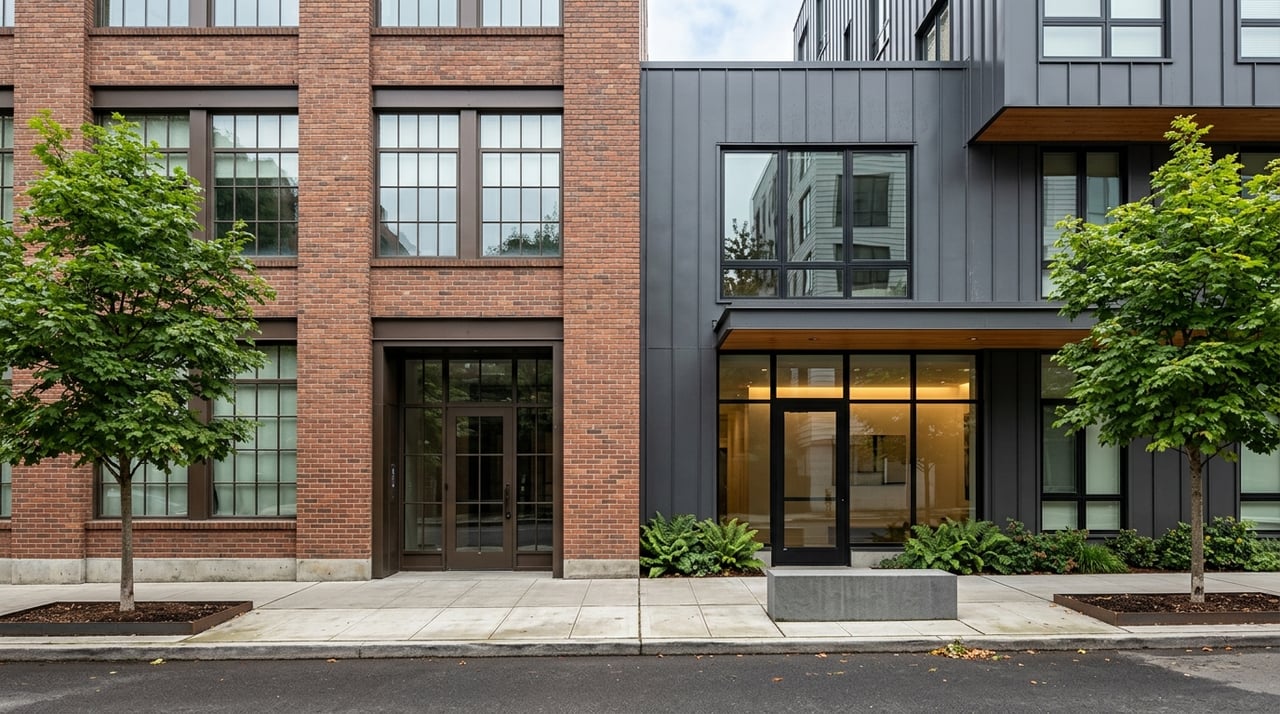
If you are thinking about condo living in Portland, one thing becomes clear fast: not all condo neighborhoods feel the same. Some areas are built around transit, towers, and daily convenience, while others offer a more riverfront rhythm or a smaller-scale neighborhood setting. This guide will help you compare Portland condo living styles by neighborhood so you can narrow your search with more confidence. Let’s dive in.
How Portland Condo Living Varies
Portland’s Central City offers several distinct condo experiences. In broad terms, buyers often choose between purpose-built central city districts, newer riverfront districts, and close-in eastside neighborhoods with more block-by-block variety.
That difference matters when you start touring. A condo in one area may feel highly urban and transit-dependent, while another may feel more residential, park-oriented, or connected to a local commercial corridor. In Portland, your building matters, but your surrounding neighborhood matters just as much.
Pearl District Condo Living
The Pearl District is one of Portland’s clearest condo-centered neighborhoods. The area evolved from a former rail-yard and warehouse district into a high-density mixed-use neighborhood, with its modern form taking shape in the early 1990s.
For you as a buyer, that usually means a very defined urban lifestyle. You will often find newer mixed-use residential buildings, active streets, restaurants, galleries, and a strong public realm instead of a traditional single-family street pattern.
Another big part of the Pearl’s appeal is park access. Portland identifies Couch Park, Jamison Square, North Park Blocks, Tanner Springs, and The Fields Park as nearby green spaces, which helps the neighborhood feel livable as well as walkable.
Who the Pearl Often Fits
The Pearl may be a strong fit if you want:
- A clear mixed-use condo district feel
- Walkable daily routines
- Easy access to parks and street activity
- A neighborhood where condo living is the dominant housing style
If your ideal day includes walking to coffee, dinner, and green space without relying heavily on a car, the Pearl often rises to the top of the list.
South Waterfront Condo Living
South Waterfront offers a different kind of urban condo experience. It is newer, more master-planned, and shaped by riverfront redevelopment that began in the 1990s on former industrial land.
The neighborhood is structured around major transportation options, including the Portland Streetcar, MAX Light Rail, and the Portland Aerial Tram. That transit framework helps define daily life here and gives the district a very intentional feel.
You also see that planning in the green space system. South Waterfront Park and the South Waterfront Greenway provide riverfront pathways, overlooks, and outdoor access that add to the neighborhood’s everyday appeal.
What South Waterfront Feels Like
For many buyers, South Waterfront stands out for:
- Newer condo product
- Riverfront access and view potential
- A more self-contained daily rhythm
- Strong connections to transit
Compared with downtown, South Waterfront can feel more organized and less hectic. If you like the idea of urban living with a more modern and river-oriented setting, this neighborhood is worth a close look.
Downtown Condo Living
Downtown is Portland’s most urban condo option. It is the oldest part of the Central City and the most intensely developed, with a dense mix of transit, cultural destinations, shopping, restaurants, hotels, and public spaces.
The city describes downtown as compact and highly walkable, and that tends to shape the buyer experience. If you want to live where many daily destinations are close together, downtown delivers the strongest version of that lifestyle.
At the same time, downtown comes with tradeoffs. Buyers here often think carefully about noise, event traffic, parking arrangements, building security, and elevator reliability because those details can affect day-to-day comfort more than they might in other neighborhoods.
What to Expect Downtown
Downtown may fit you best if you want:
- The most urban and compact condo lifestyle
- Strong access to public transportation
- Close proximity to shopping, dining, and cultural destinations
- A convenience-first location
If centrality matters more to you than easy parking, downtown may offer the right match.
Inner Eastside Condo Pockets
The inner eastside gives you a more varied condo search. Rather than one single condo district, you will find pockets of condos woven into neighborhoods with older houses, mixed-use streets, and in some areas, industrial edges.
That creates a different search experience from the Pearl or South Waterfront. Instead of comparing mostly towers or large mixed-use buildings, you may be looking at smaller buildings, conversions, and a wider range of block-by-block settings.
Buckman, Kerns, and Hosford-Abernethy
Buckman is Portland’s first eastside neighborhood and includes both residential and industrial areas. Hosford-Abernethy also combines residential and industrial patterns along the river, which contributes to a more mixed neighborhood feel.
Kerns is especially notable if you want close-in convenience without a tower-district identity. The city describes the neighborhood as connected by walking, biking, greenspaces, hills, and creeks, and the area’s land-use pattern often reads as pedestrian-oriented and low- to mid-rise.
For you, that can mean a condo search with more variation and a more local, everyday-use neighborhood feel.
Irvington and Laurelhurst
Irvington and Laurelhurst shift the conversation toward historic residential character. Irvington developed as a streetcar suburb between 1887 and 1930 and is known for period architecture within its historic district.
Laurelhurst is also a close-in residential area with historic homes, a major park, and historic district recognition. Buyers who prefer smaller condo buildings, conversions, or a quieter street feel near urban amenities often start looking in these areas.
Who the Inner Eastside Often Fits
The inner eastside may be a good fit if you want:
- More neighborhood-scale surroundings
- Greater building-age variety
- Smaller buildings or conversions
- A search shaped by block-by-block differences
If you care more about a neighborhood feel than a tower-district identity, eastside pockets may offer the right mix.
Transit and Parking Matter More Than You Think
Portland’s transportation system has a major effect on condo living. The Portland Streetcar runs three lines across about 16 miles in the Central City, and city guidance notes that transit is often the easiest way around because parking can be challenging and expensive.
That means your daily routine may change a lot depending on where you buy. In some neighborhoods, you may rely heavily on walking, transit, or biking. In others, a parking spot could be one of the most important parts of the purchase.
Before you commit to a building, ask exactly how parking works. A space may be deeded, assigned, leased, shared, or subject to a waitlist, and guest parking or EV charging may not be included.
Questions to Ask Before You Buy
No matter which Portland condo neighborhood you prefer, the building itself deserves careful review. A great location cannot make up for unclear HOA rules, weak reserves, or major deferred maintenance.
Oregon condominium law gives associations authority over bylaws, rules, budgets, reserves, and assessments. It also contemplates records such as reserve studies, maintenance plans, rules, and annual financial statements, which makes document review especially important during your due diligence.
HOA Document Checklist
Ask for these items before you move forward:
- Declaration
- Bylaws
- Current rules and regulations
- Current budget
- Reserve study
- Maintenance plan
- Annual financial statements or budget summaries
- Information about pending assessments
- Information about pending litigation
These documents can tell you a lot about how the building is run and what future costs may look like.
Building Condition Questions
Portland condo inventory spans very different eras, from downtown’s older core to Pearl and South Waterfront buildings tied to redevelopment since the 1990s, plus eastside buildings in more historic settings. Because of that, building age and upkeep should be part of every condo conversation.
Ask questions like:
- What year was the building built?
- When were major systems last upgraded?
- Has the elevator had recent work?
- Have there been envelope or exterior repairs?
- Does the reserve study reflect long-term capital needs?
A well-run building can support your lifestyle and your long-term ownership experience. That is why the right condo search is never just about finishes or views.
A Quick Portland Condo Fit Guide
If you want a simple starting point, here is a quick way to think about Portland condo living styles by neighborhood.
| Neighborhood Area | Often Best For |
|---|---|
| Pearl District | Buyers who want a mixed-use condo district, park access, and a walkable urban lifestyle |
| South Waterfront | Buyers who want newer riverfront living, transit connections, and a more planned district feel |
| Downtown | Buyers who want the most urban, compact, amenity-rich condo experience |
| Buckman, Kerns, Hosford-Abernethy, Irvington, Laurelhurst | Buyers who want neighborhood character, building variety, and a smaller-scale feel |
The best fit usually comes down to how you want your day to feel. Some buyers want the energy of downtown, while others want riverfront calm or a more neighborhood-based eastside routine.
Choosing the right condo in Portland means matching your building, your transportation needs, and your preferred daily rhythm. If you want a thoughtful, strategic approach to buying in Portland or across the broader metro area, David Merrick Real Estate can help you compare neighborhoods, evaluate buildings, and move forward with clarity.
FAQs
What is the most urban condo neighborhood in Portland?
- Downtown is generally the most urban condo option in Portland, with the strongest mix of transit, amenities, and compact city living.
Which Portland neighborhood has newer riverfront condos?
- South Waterfront is the clearest option for newer riverfront condo living, with redevelopment that began in the 1990s and strong access to greenway and transit infrastructure.
What makes the Pearl District different from downtown Portland?
- The Pearl District is more of a purpose-built mixed-use condo neighborhood with strong park access, while downtown is Portland’s oldest and most intensely developed urban core.
Which Portland eastside neighborhoods may have smaller condo buildings?
- Buyers often explore Buckman, Kerns, Hosford-Abernethy, Irvington, and Laurelhurst for smaller buildings, conversions, and more block-by-block variety.
What should you ask about a Portland condo parking space?
- Ask whether the parking space is deeded, assigned, leased, shared, or waitlisted, and whether guest parking or EV charging is available.
What HOA documents should you review before buying a condo in Portland?
- You should ask to review the declaration, bylaws, rules, budget, reserve study, maintenance plan, financial statements or budget summaries, and any information about pending assessments or litigation.