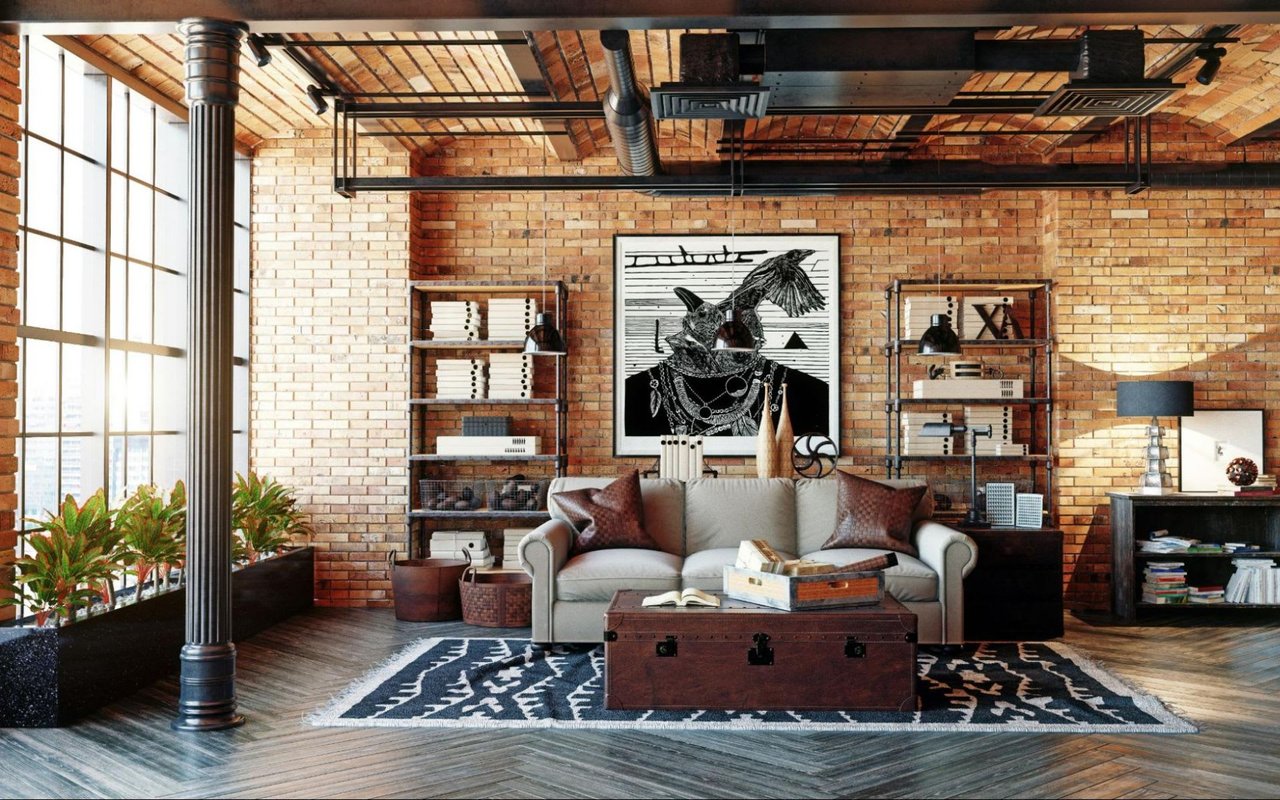
Portland, Oregon, is renowned for its eclectic blend of natural beauty and urban sophistication. As the city continues to grow and evolve, so does its interior design scene. This article delves into the modern interior design trends that are currently defining Portland real estate, providing a comprehensive guide for homeowners and potential buyers looking to infuse their spaces with contemporary elegance.
Embracing Minimalism with a Twist
One of the hallmark trends in interior design is minimalism. However, Portland’s take on minimalism often incorporates a twist, adding warmth and character to the otherwise stark aesthetic. This style favors clean lines, open spaces, and a neutral color palette, yet it's enhanced with natural materials and textures that bring a cozy feel to the environment.
Key Elements of Portland's Minimalism
-
Natural Wood Accents: Utilizing reclaimed wood for flooring, cabinetry, and furniture not only adds warmth but also aligns with Portland's commitment to sustainability.
-
Organic Textiles: Incorporating textiles like wool, cotton, and linen in neutral tones adds layers of comfort and sophistication.
-
Open Shelving: This trend keeps spaces feeling open and airy while providing practical storage solutions.
Industrial Influence
Portland's industrial past heavily influences its modern interior design. This trend blends raw, unfinished materials with sleek, contemporary elements, creating a distinctive urban chic decor style.
Industrial Design Features
-
Exposed Brick and Ductwork: These elements add an authentic industrial feel and are often left untreated to showcase their raw beauty.
-
Metal Fixtures: Incorporating steel and iron in lighting, furniture, and decor pieces provides a modern yet rugged aesthetic.
-
Concrete Surfaces: Polished concrete floors and countertops are durable and add a sophisticated, urban edge to interiors.
Biophilic Design
As a city known for its lush greenery and outdoor lifestyle, it’s no surprise that biophilic design is a significant trend in Portland real estate. This design principle emphasizes the connection between indoor spaces and nature, promoting well-being and tranquility.
Implementing Biophilic Design
-
Indoor Plants: Strategically placing a variety of indoor plants can purify the air and create a serene environment.
-
Natural Light: Maximizing natural light through large windows and skylights helps bring the outside in.
-
Natural Materials: Using stone, wood, and water features inside the home reinforces the connection to nature.
Eclectic Combinations
Portland’s urban chic decor is often characterized by an eclectic mix of styles. Homeowners and designers are not afraid to blend different design elements to create unique and personalized spaces.
Achieving Eclectic Chic
-
Mix and Match: Combining vintage pieces with modern furniture can create an interesting and personalized aesthetic.
-
Bold Patterns and Colors: Incorporating bold prints and colors in small doses adds personality without overwhelming the space.
-
Cultural Artifacts: Displaying artwork and decor items from your travels can add depth and character to the home.
Sustainable Design
Sustainability is a core value in Portland, and this extends to its interior design trends. Homeowners are increasingly opting for eco-friendly materials and energy-efficient solutions in their urban chic decor.
Sustainable Design Practices
-
Recycled and Upcycled Materials: Using materials that have been recycled or upcycled reduces waste and adds a unique touch to the decor.
-
Energy-Efficient Solutions: Installing energy-efficient windows, insulation, and appliances will reduce the environmental footprint.
-
Locally Sourced Materials: Supporting local artisans and using locally sourced materials to reduce the carbon footprint and support the community.
Multifunctional Spaces
With the rise of remote work and compact urban living, multifunctional spaces have become a key trend in Portland real estate. These spaces are designed to be flexible and adaptable, accommodating various activities without compromising on style.
Creating Multifunctional Spaces
-
Modular Furniture: Incorporate furniture that can be easily reconfigured to serve different purposes, such as a sofa that converts into a guest bed.
-
Built-in Storage: Maximize space with built-in storage solutions that keep the home organized and clutter-free.
-
Flexible Room Dividers: Use movable partitions or curtains to create distinct areas within an open floor plan.
Conclusion
Portland's modern interior design trends reflect the city’s unique blend of urban sophistication and natural beauty. From minimalist spaces and sustainable materials to industrial aesthetics and biophilic designs, these trends are transforming Portland real estate into havens of contemporary elegance and functionality. For those looking to buy or sell property in Portland, understanding and incorporating these trends can significantly enhance the appeal and value of a home.
Contact David Merrick Today
Are you looking to buy or sell a home in Portland? David Merrick is your go-to real estate expert. With extensive knowledge of the latest urban chic decor trends and a deep understanding of the Portland real estate market, David can help you find the perfect property or maximize the value of your current home. Don't miss out on the opportunity to work with a seasoned professional who is dedicated to making your real estate journey smooth and successful. Contact David Merrick today to start your Portland real estate adventure!