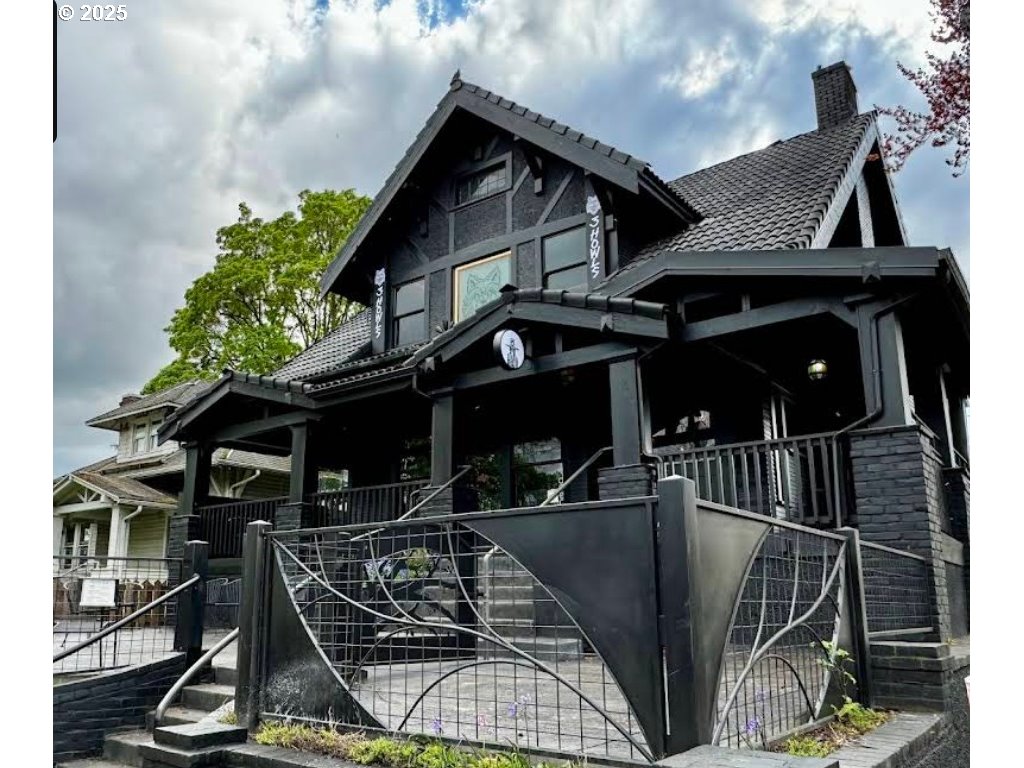
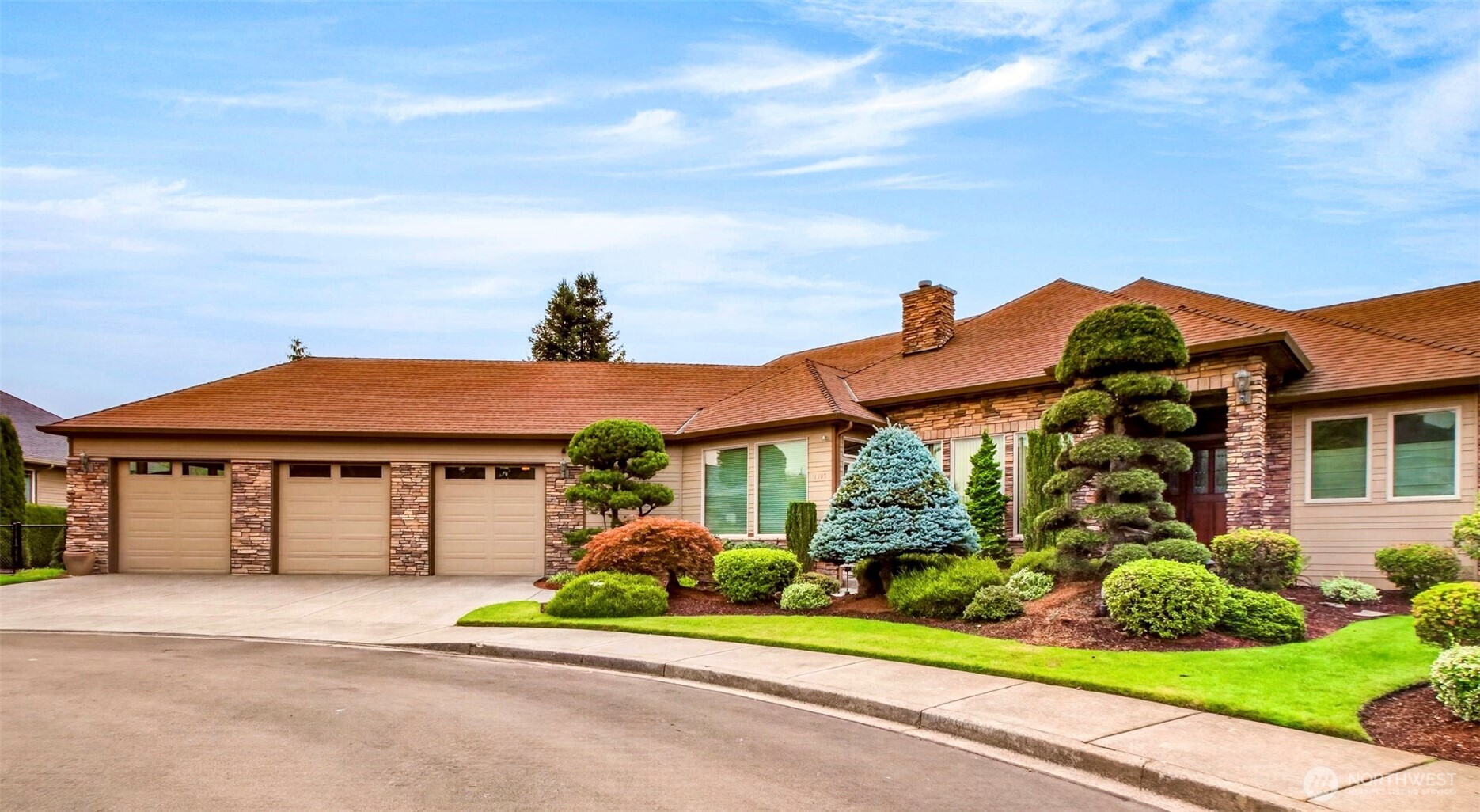
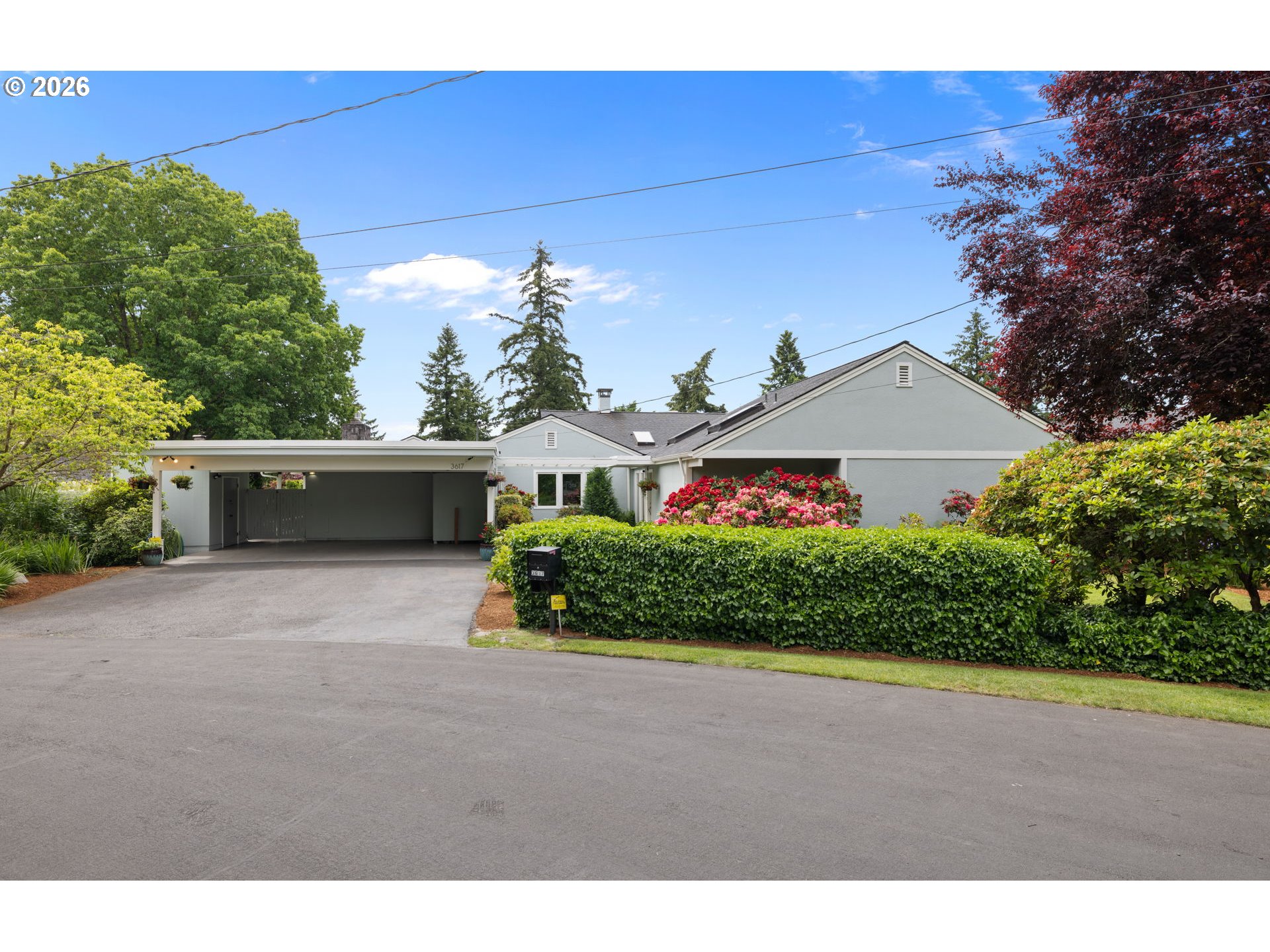
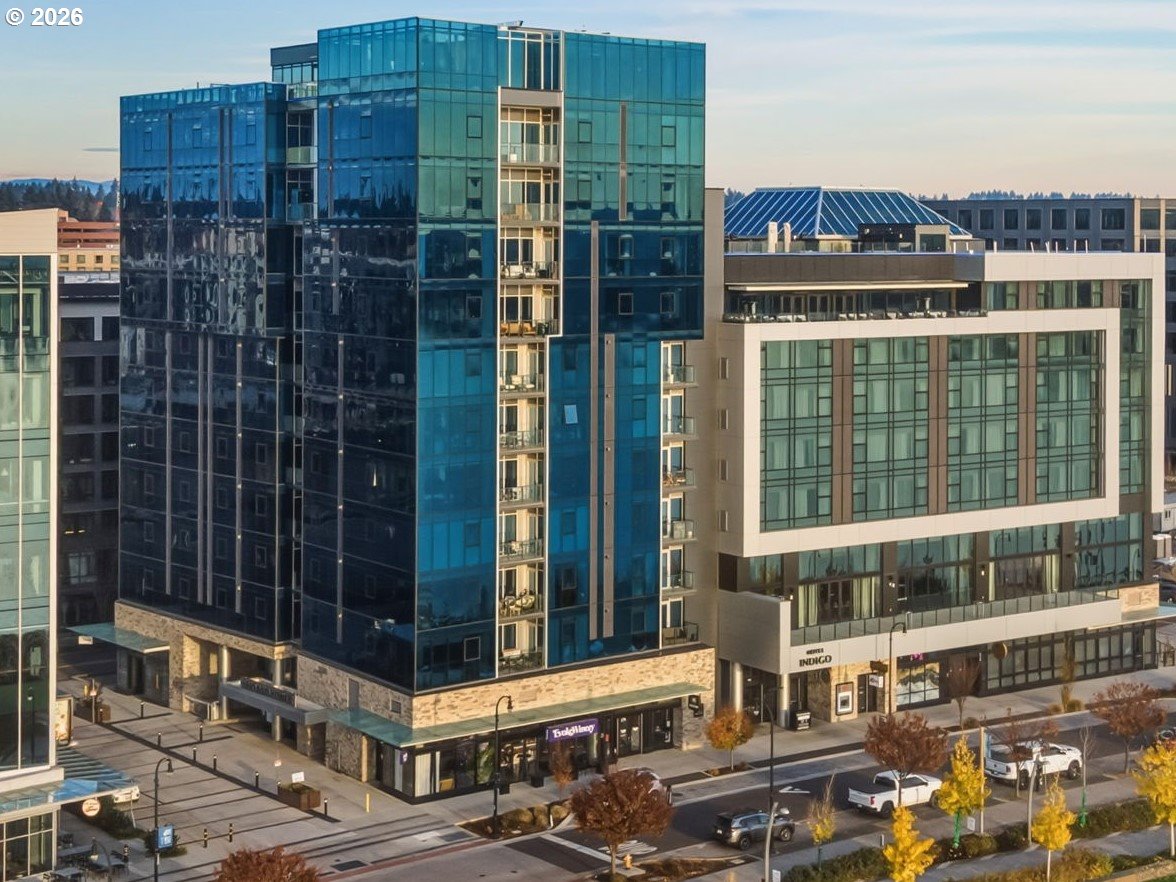
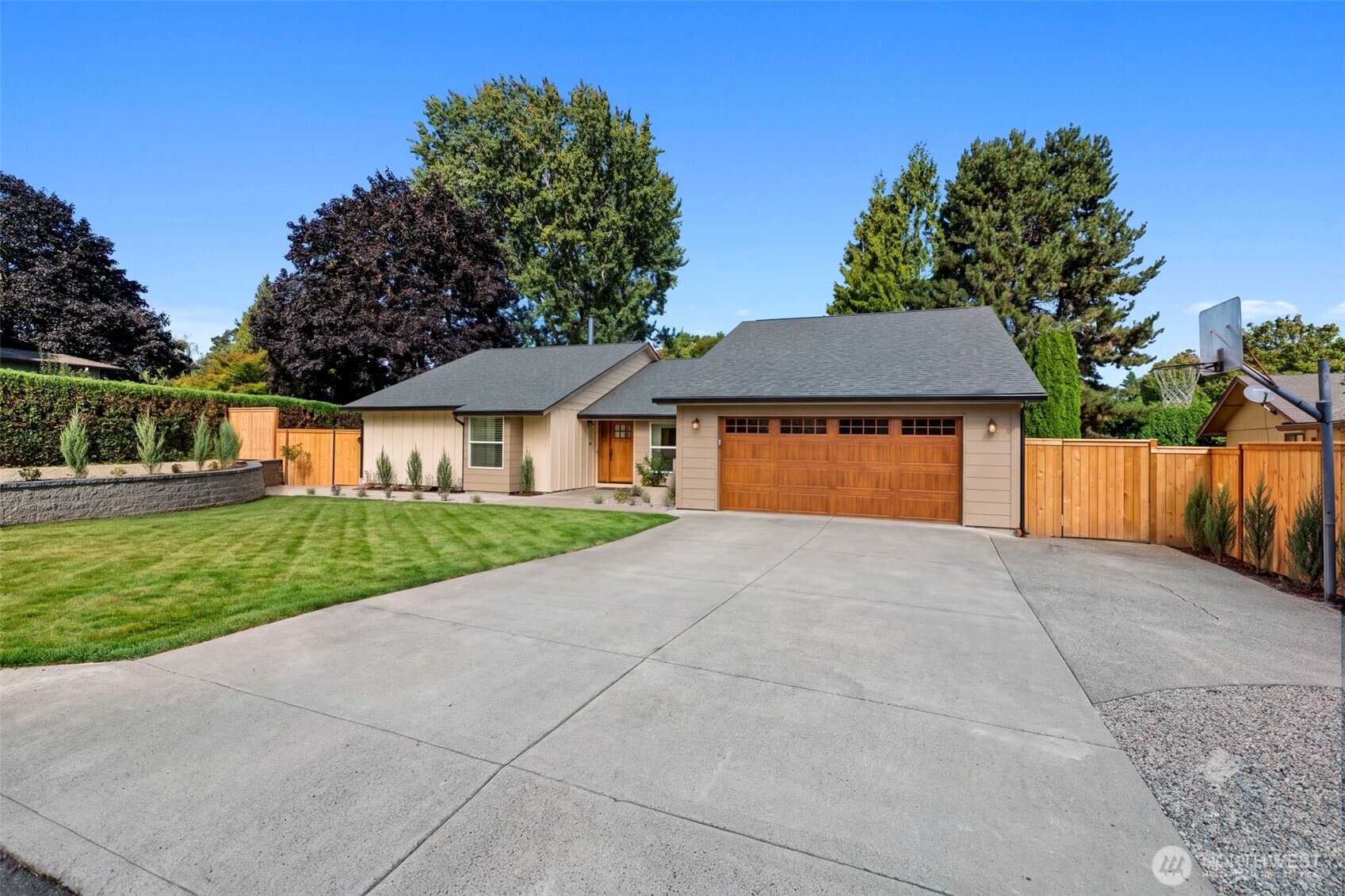
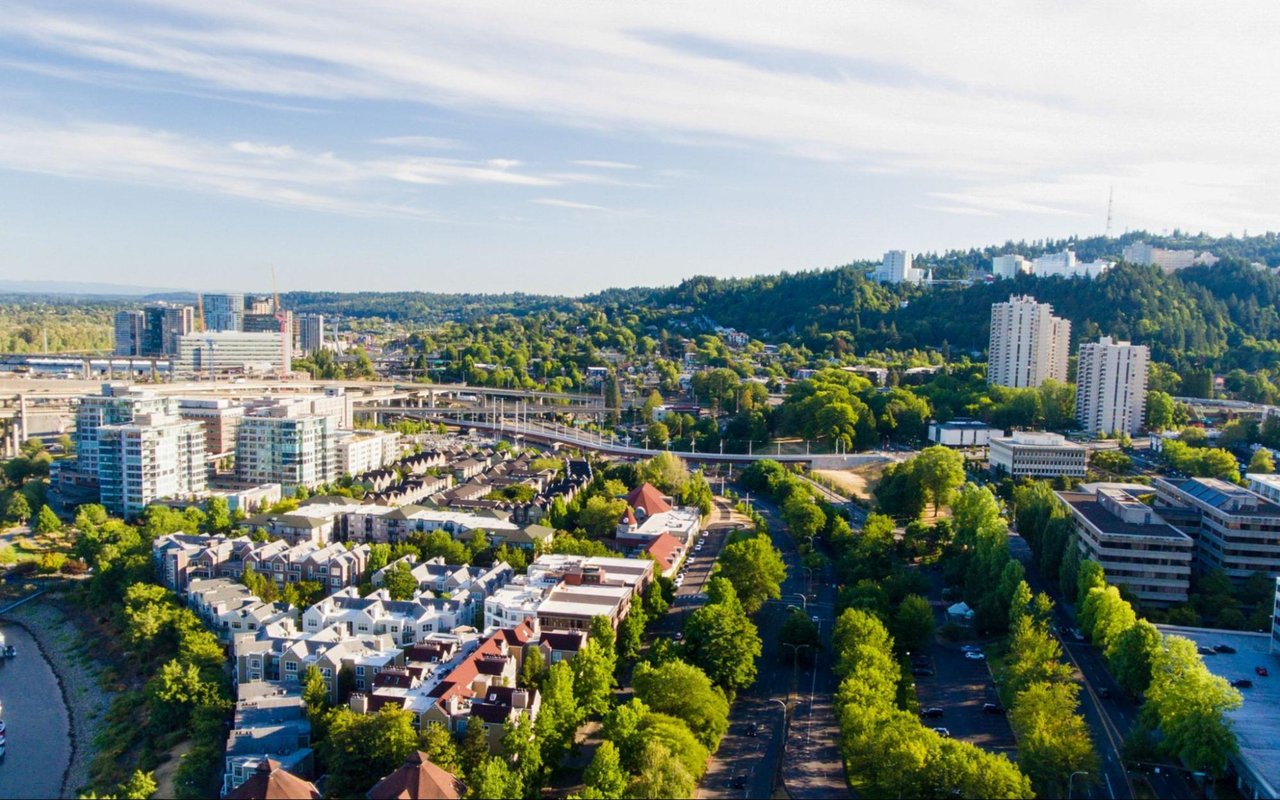
Vancouver, WA offers no state income tax, easy access to Portland jobs and amenities, and more home for your money along the Columbia River.
Based on information submitted to the MLS GRID as of . All data is obtained from various sources and may not have been verified by the broker or MLS GRID. Supplied Open House Information is subject to change without notice. All information should be independently reviewed and verified for accuracy. Properties may or may not be listed by the office/agent presenting the information.
Vancouver, WA Housing Market Trends
Washington has no state income tax, but Vancouver sits right across the Columbia River from Oregon, which has no sales tax. That combination is unique: residents can keep more of their paycheck while making large purchases tax-free just minutes away in Portland. Other Washington cities get the income tax benefit but not the easy access to tax-free shopping, and most of the country gets neither. One caveat: income earned working in Oregon is still subject to Oregon income tax.
Compared to the Seattle metro, Vancouver’s home prices are considerably lower, giving buyers more space, newer construction, and larger lots at a similar budget. It also tends to be more affordable than many close-in Portland neighborhoods, while still offering access to that city’s jobs, airport, dining, and culture. Buyers get big-city proximity without paying big-city prices.
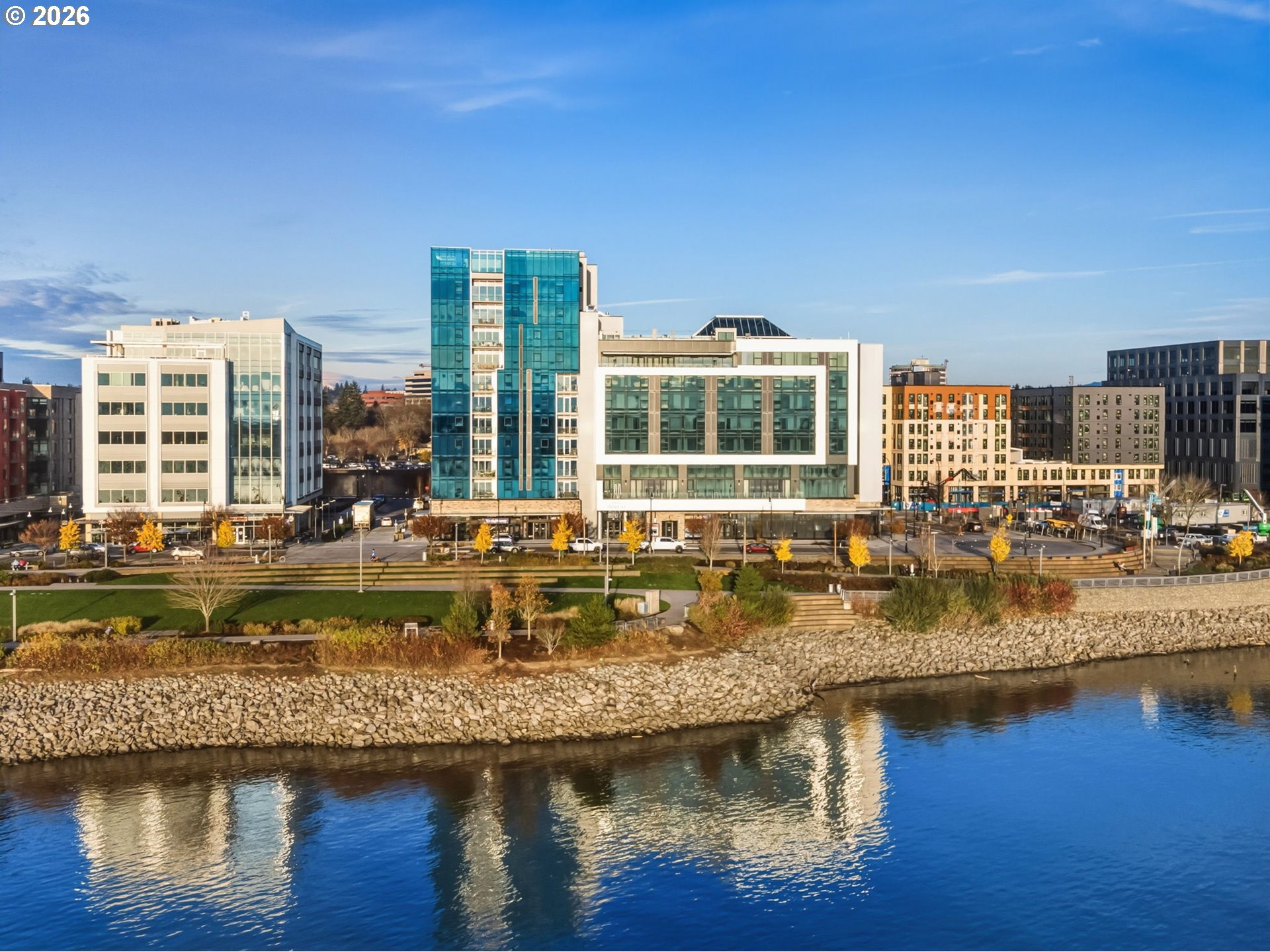
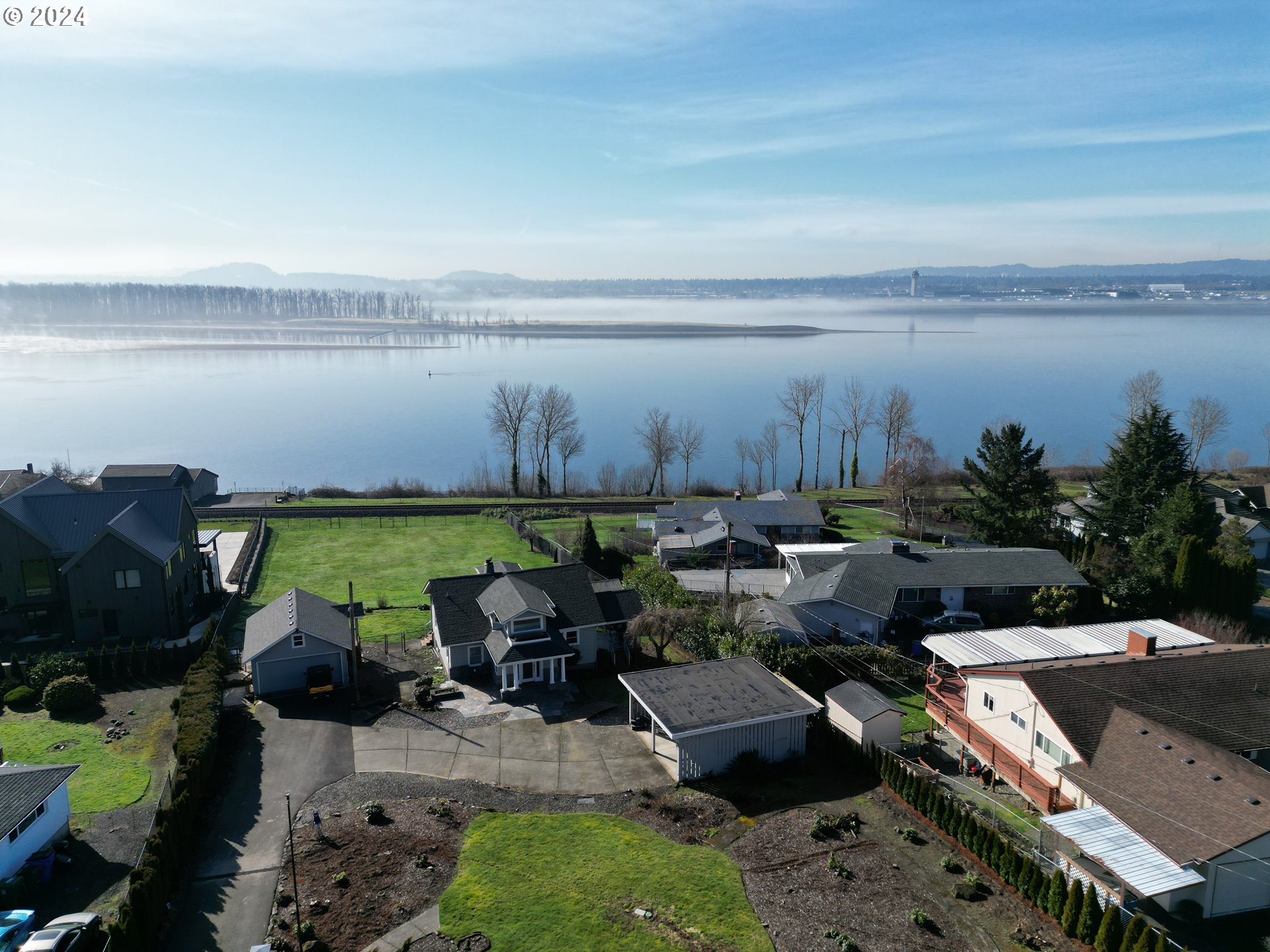
Vancouver puts you within about 20 minutes of Portland International Airport and downtown Portland, while the Columbia River Gorge, Mount Hood, Mount St. Helens, and the Pacific coast are all within easy day-trip range. The revitalized Columbia River waterfront adds walkable dining and parks close to home. Few markets in Washington or elsewhere offer this mix of metro convenience and outdoor access at Vancouver’s price point.
Have questions or want to tour available homes in Vancouver, WA? Contact us today to get expert guidance and schedule a private showing tailored to your needs.
Yes. While Washington has no state income tax, homeowners in Vancouver pay property tax based on the assessed value of their home as determined by the Clark County Assessor. The total levy is a combination of state, county, city, school district, fire, library, and other local taxing districts, which is why rates can vary slightly from one part of Vancouver to another. Property tax bills are typically paid in two halves each year, due April 30 and October 31, and many buyers pay them through an escrow account bundled with their monthly mortgage payment.
Property taxes in Vancouver generally fall in the range of roughly 0.9% to 1.1% of a home’s assessed value per year, though the exact rate depends on which school district and taxing districts the property sits in. For example, a home assessed at $500,000 might carry an annual tax bill somewhere around $4,500 to $5,500. Because levies and assessments change annually, the most accurate figure for a specific home is the current tax statement available through Clark County’s online property records. Qualifying seniors, disabled persons, and veterans may also be eligible for exemption or deferral programs that reduce their bill.
Compared with national averages, Vancouver’s property tax is moderate rather than high, and it is often lower than what homeowners pay across the river in the Portland area. What makes it especially appealing is the overall tax picture: Washington’s lack of a state income tax means many households pay less in total taxes living in Vancouver than they would in Oregon or in states with both income and high property taxes. For buyers weighing the full cost of homeownership, Vancouver’s property tax is usually viewed as a fair trade-off for the income tax savings.
Buying a home in Vancouver typically starts with getting pre-approved by a lender so you know your budget and can make competitive offers. From there, working with a local real estate agent helps you identify neighborhoods that fit your commute, school, and lifestyle priorities, and gives you access to new listings as soon as they hit the market. Once you find the right home, your agent will help you write an offer, negotiate terms, and schedule inspections. Washington uses escrow companies to handle the closing, and the process from accepted offer to keys in hand generally takes about 30 to 45 days.
The best area depends on what you value most. Felida and Salmon Creek in north Vancouver are popular with families for their larger lots, established neighborhoods, and well-regarded schools. Fishers Landing and Cascade Park in east Vancouver offer convenient access to Camas, shopping, and the I-205 corridor for commuting into Portland. Buyers who want walkability often look at Downtown, Esther Short, and Uptown Village, where condos and historic homes sit near the waterfront, restaurants, and Saturday markets. Nearby communities like Camas and Ridgefield are also worth considering for newer construction and a small-town feel.
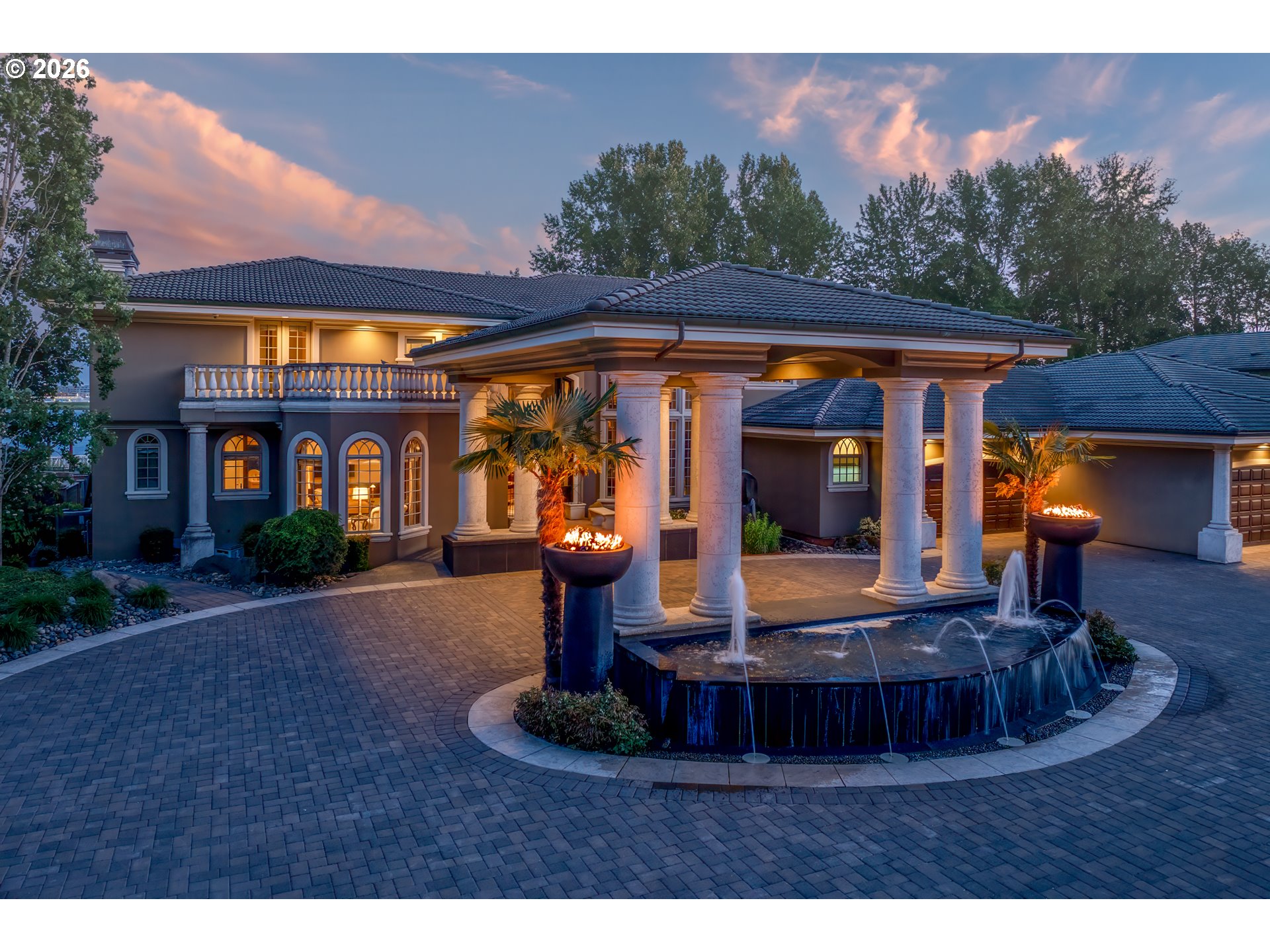
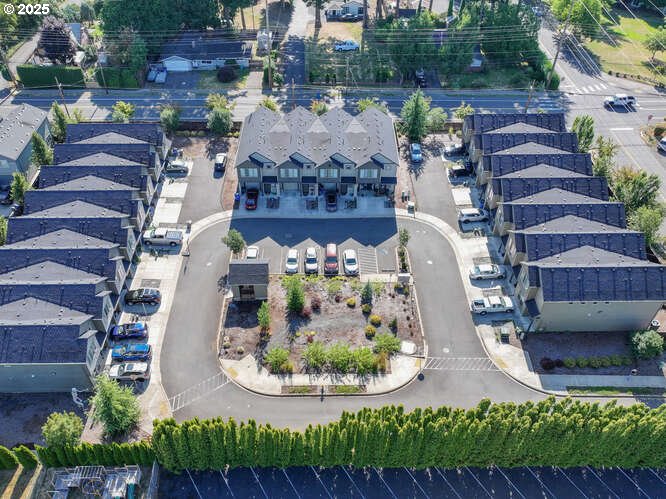
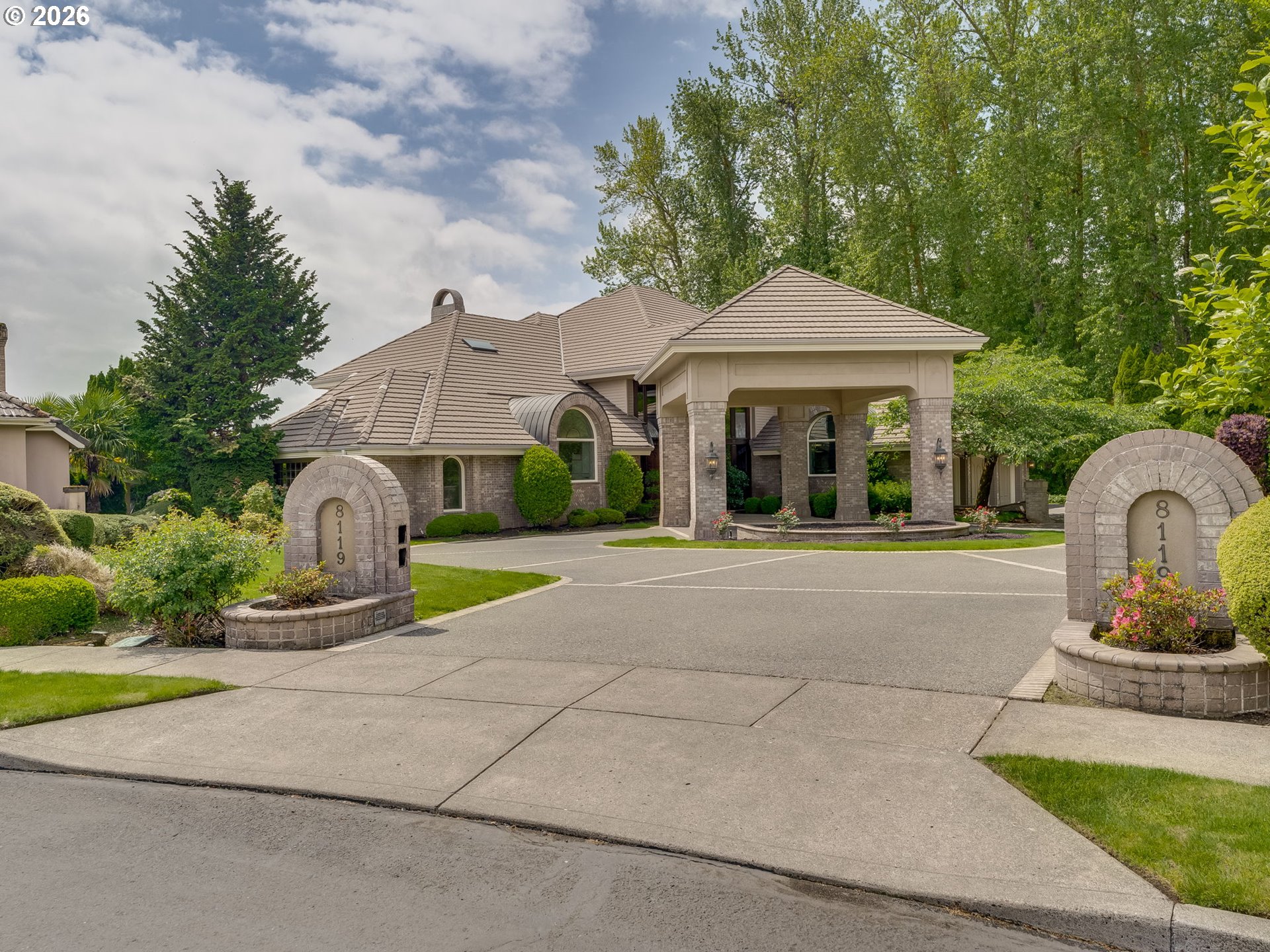
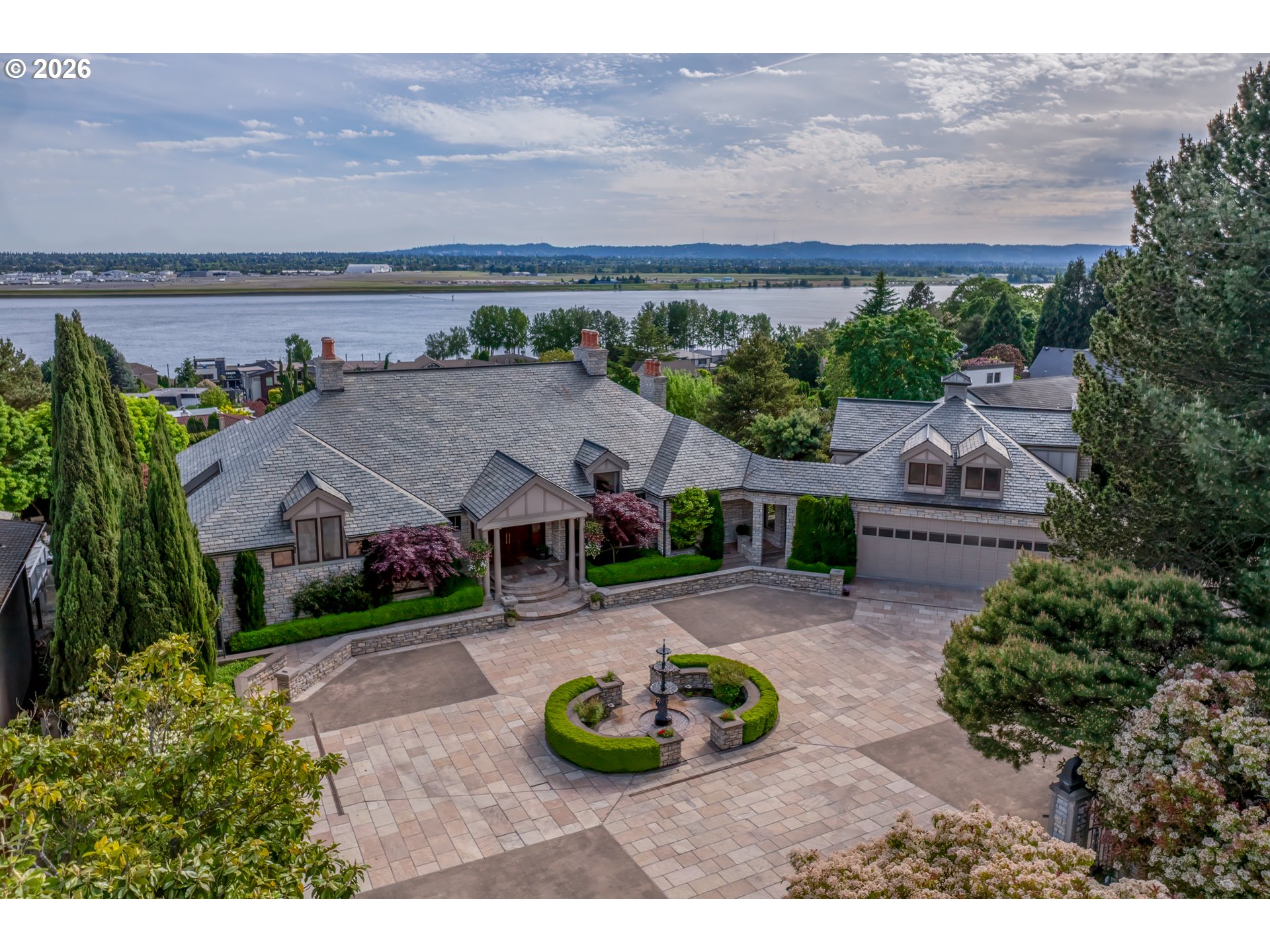
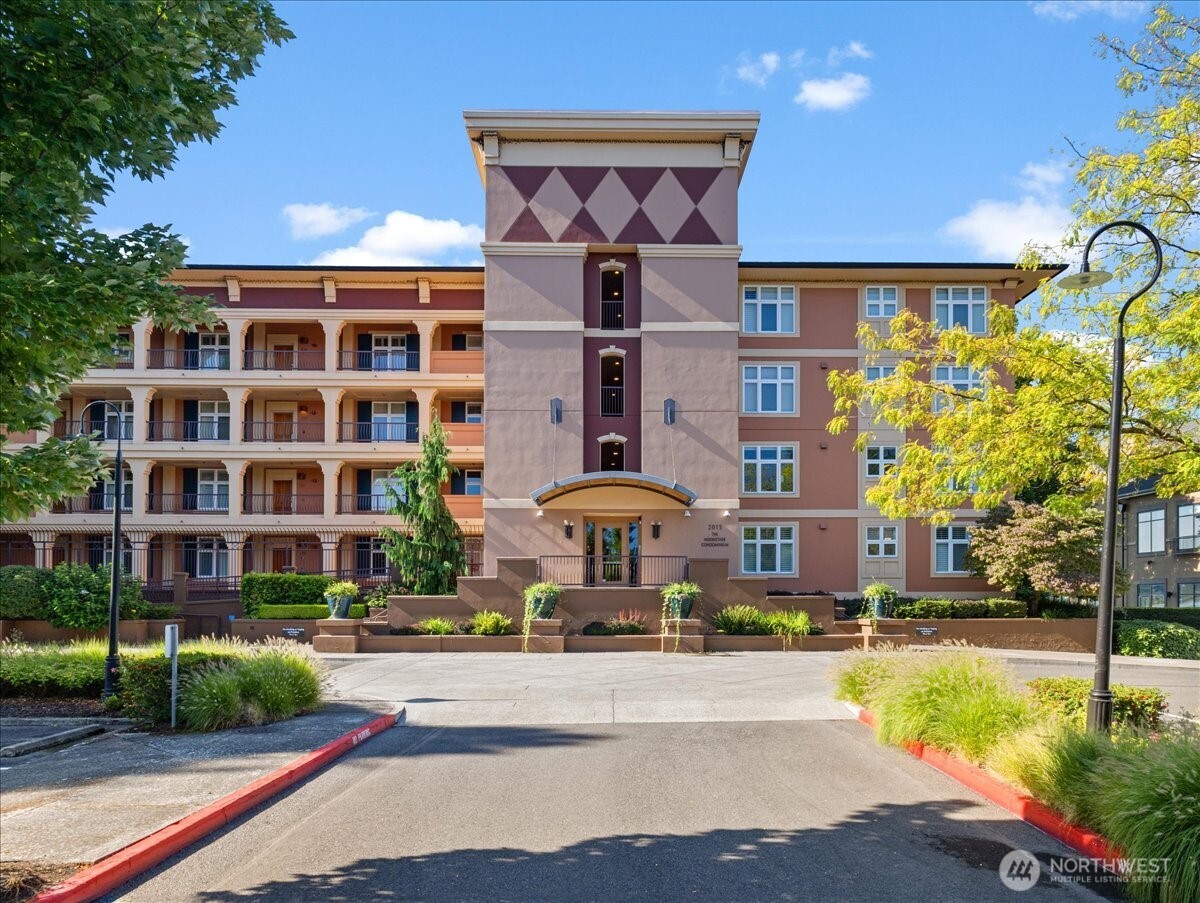
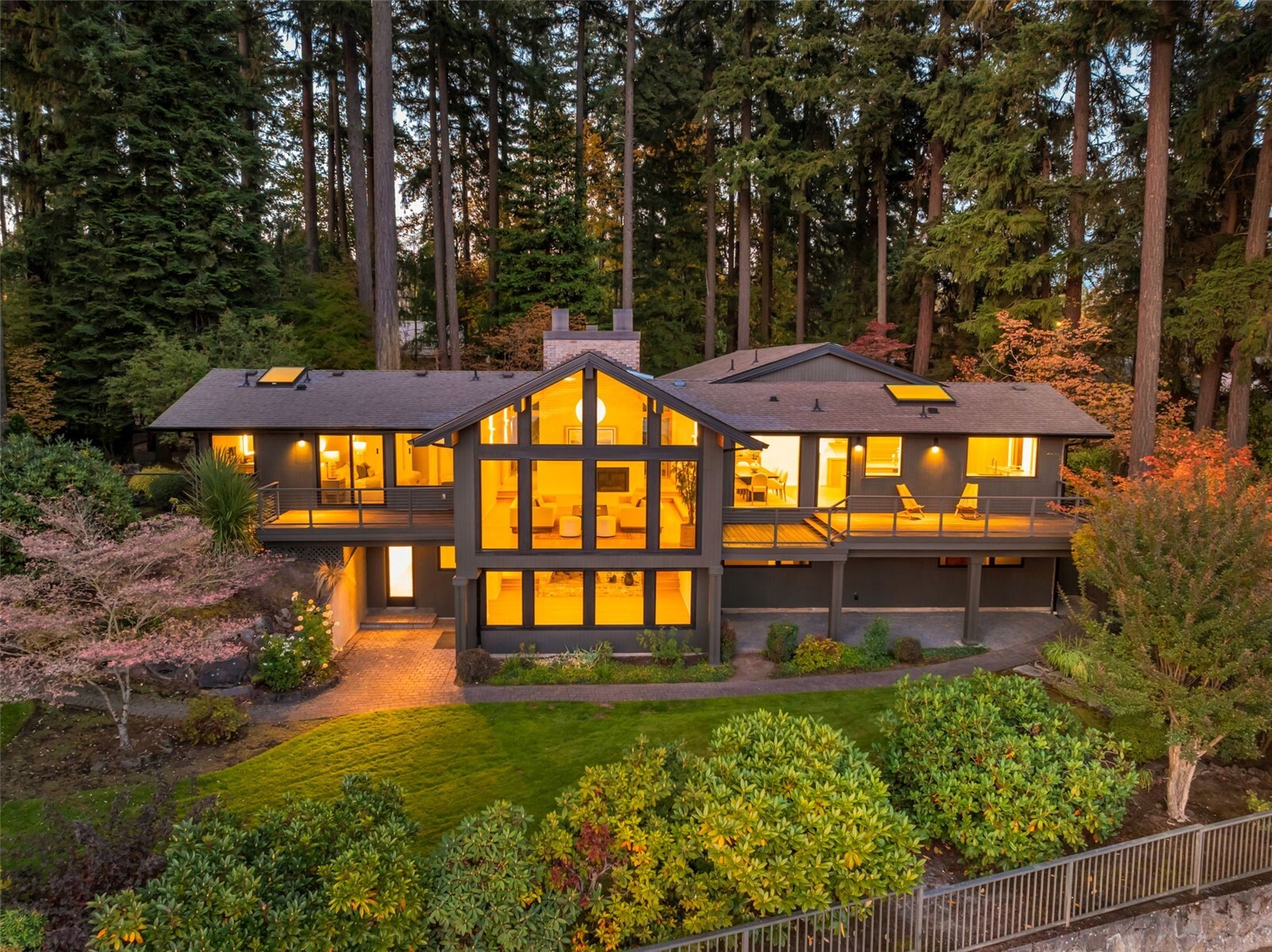
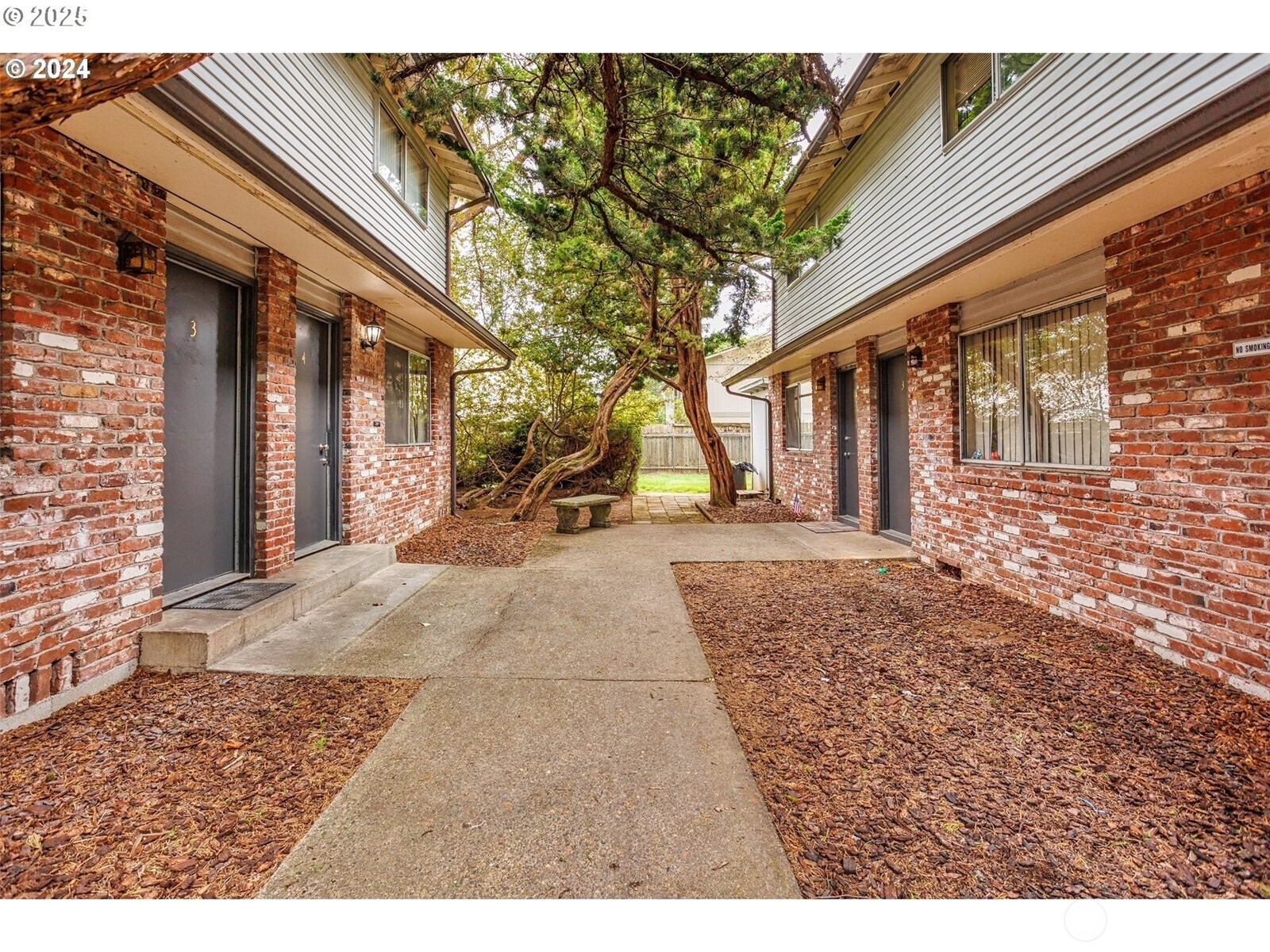
Home prices in Vancouver vary widely by neighborhood, size, and age of the home. Condos and townhomes generally offer the most accessible entry point, while single-family homes in established areas typically land in the mid-$400,000s to $600,000s, and larger homes, view properties, and waterfront estates can reach well over $1 million. Overall, Vancouver remains more affordable than the Seattle metro and many close-in Portland neighborhoods. Because prices shift with market conditions, reviewing current listings and recent sales is the best way to understand today’s pricing.
Vancouver’s market tends to be steadier than many West Coast metros, with demand supported by buyers relocating from Portland, Seattle, and California who are drawn to the tax advantages and relative affordability. Conditions shift with interest rates and season, so at times the market leans toward sellers with quick sales and multiple offers, while at other times buyers have more inventory and negotiating room. Well-priced homes in popular neighborhoods still tend to move quickly. A local agent can share current data on days on market, list-to-sale price ratios, and inventory levels to show where the market stands right now.
Buyers in Vancouver typically pay around 2% to 4% of the purchase price in closing costs, covering lender fees, title insurance, escrow fees, appraisal, prepaid property taxes, and homeowners insurance. Sellers generally pay more, primarily because Washington charges a graduated real estate excise tax on the sale, which starts at 1.1% of the sale price and increases in tiers for higher-priced homes, in addition to agent commissions and their share of escrow and title costs. Your lender’s loan estimate will give you an itemized breakdown early in the process so there are no surprises at closing.
The most reliable way to learn your home’s value is a comparative market analysis from a local real estate agent, which looks at recent sales of similar homes nearby and accounts for your home’s condition, updates, lot, and location. Clark County’s assessed value and online estimates can serve as rough starting points, but they often miss details like remodels, views, or neighborhood-level trends that affect what a buyer will actually pay. If you are thinking about selling or refinancing, a professional valuation gives you a much more accurate number to plan around.
Building a home in Vancouver typically costs somewhere in the range of $200 to $400 or more per square foot, depending on the size, design, finishes, and builder you choose. That figure usually covers construction alone, so buyers also need to budget for the land itself, site preparation, permits, impact fees, and utility connections, which can add significantly to the total. Lot availability within city limits is limited, so many people who build look toward the outer edges of Vancouver or nearby areas like Ridgefield, Battle Ground, and Camas. Comparing the total cost of building against buying an existing or new-construction home is a smart first step.
Whether you have questions about the Vancouver real estate market or you're ready to explore available properties, David is here to help. With expert knowledge and personalized guidance, he’ll make your home-buying journey smooth and stress-free. Reach out today to get started!

From vibrant communities to hidden gems, our Vancouver, WA neighborhood guide has everything you need to find the perfect place to call home. Dive into detailed insights about schools, parks, amenities, and lifestyle options to see which area fits your needs. Start exploring now and uncover what makes Vancouver such a fantastic place to live!